




Misophonia: Sound Triggers, Symptoms, and Support
Misophonia is more than just disliking certain sounds. For some individuals, the emotions brought on by it can be so extreme…
Dysgraphia is a lesser-known handwriting difficulty that’s often mixed up with conditions like dyslexia and developmental coordination disorder (DCD). So, how can we spot dysgraphia in adults? In this helpful guide, we’ll explore what dysgraphia is, how it presents, and what support is available for dysgraphia in work and education.

Dysgraphia is a learning difficulty that creates repeated issues with handwriting. It can affect writing legibility, fluency, speed, spacing, letter formation, and the ability to express ideas fully in writing. Adults with dysgraphia may struggle with the processes involved in writing, including fine motor control, working memory, spelling, and organising thoughts clearly on paper.
Just because people with dysgraphia find writing challenging doesn’t mean they aren’t capable or intelligent. Dysgraphia simply affects the way someone processes and produces written information. It’s no reflection of a person’s intellect.
Dysgraphia isn’t listed as a specific learning difficulty in England’s SEND Code of Practice, and there’s no universally agreed diagnostic definition of dysgraphia in the UK. However, the term is still used within educational settings and is usually understood by SENCOs and specialist assessors.
There isn’t a single known cause of dysgraphia in adults. With that being said, writing difficulties are often described as either developmental or acquired depending on when and how they began.
The term ‘developmental dysgraphia’ refers to writing difficulties that develop as someone learns to write and can continue into adulthood. The exact causes of these difficulties aren’t fully understood, and they can vary considerably from person to person. They sometimes occur alongside other conditions and learning differences, including dyslexia, ADHD, and developmental coordination disorder (DCD).
Acquired dysgraphia, also referred to as ‘agraphia’, is different. It describes difficulties with writing that develop after someone previously had an established ability to write. This can happen following damage to areas of the brain involved in language, spelling, planning, or the physical process of writing due to things like stroke or brain injury.
According to thebraincharity.org.uk and clevelandclinic.org, the following difficulties could be signs of dysgraphia in adults:
These signs don’t necessarily mean someone has dysgraphia – each of the examples provided can have other causes. If you’re concerned that you or someone you know might have dysgraphia, it’s best to speak with a qualified specialist who can assess difficulties and recommend appropriate support.
It’s not uncommon for dysgraphia to be mixed up with dyspraxia and dyslexia. And while there may be some overlap between them, there are also some key differences that set them apart.
Here’s what you need to know:
Dysgraphia: Dysgraphia is mainly tied to handwriting/what somebody writes down on a page. Someone with dysgraphia might experience a lot of difficulty forming letters, spacing words, or writing fluently even though their reading ability is relatively unaffected.
Dyslexia: Dyslexia is more about issues with reading and spelling, with reading fluency and spelling considered key signs of the condition. Unlike with dysgraphia, you can be dyslexic and not struggle with handwriting.
Dyspraxia: Dyspraxia/DCD is mainly linked to movement and coordination. With DCD, handwriting is affected, but it’s usually part of wider motor difficulties that cause issues with balance, fine/gross motor skills, dressing, handwriting, typing, etc.
Dyslexia and dyspraxia are both well-established conditions in the UK. Yet, dysgraphia has a less clearly defined status and isn’t recognised in the same way as a standalone condition.
Fortunately, showing signs of dysgraphia doesn’t necessarily prevent someone from receiving support. Disabled Students’ Allowance and Access to Work generally consider how a person’s difficulties affect their studies or employment, rather than relying solely on the name of a diagnosis.
There are a few different options for getting assessed for dysgraphia. If writing difficulties are affecting you on a daily basis, it’s best to speak to a professional. You might choose to contact:
They’ll be able to explore the difficulties you’re experiencing and determine whether they may be due to dysgraphia, dyslexia, DCD, or another related condition.
Dysgraphia can affect people differently, but difficulties with handwriting and written work may make certain tasks more tiring or time-consuming. An employee or student might face:
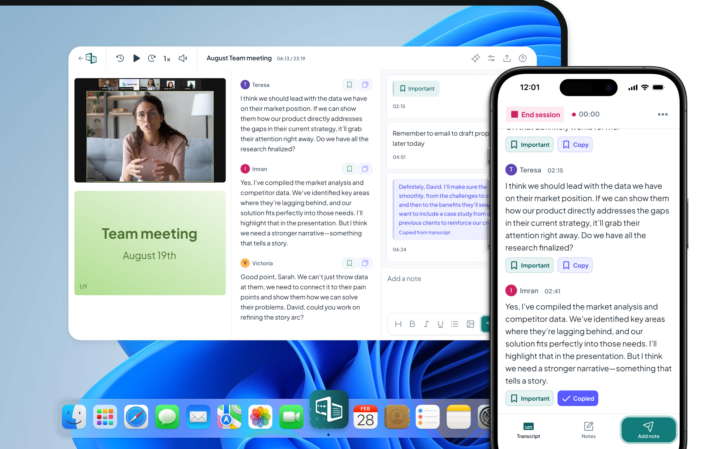
Because dysgraphia affects handwritten work, students or staff may find notetaking or meeting minutes a particular challenge. Since writing can be unclear, this can also make reading notes back more difficult for others.
Sometimes students and staff are asked to complete compulsory forms or questionnaires to support their work or studies. This can become tiresome and difficult for those with dysgraphia.
Traditional written exams can be particularly tricky for adults with dysgraphia. Trying to write for an extended period may cause pain, fatigue, or even emotional overwhelm.
If you relate to any of the challenges described above, there’s no need to feel embarrassed about asking for support. The right tools and adjustments can help to reduce barriers and make work or study more manageable.
When it comes to support, getting the right help boils down to the specific difficulties a person is facing. People with dysgraphia may find that working with a specialist helps them to spot areas where additional help may be useful and where they can try out strategies for managing written tasks.
For example, if you have dysgraphia and struggle with handwriting, you might find new ways to write or record info using assistive technology or by putting appropriate adjustments in place at work or university.
The most important thing to remember is that you don’t need to suffer in silence. By opening up to people you trust and letting go of any embarrassment around asking for help, you can reduce stress and move forward without writing difficulties becoming such a barrier.
If you or someone you know is in work or education and significantly struggles with writing, the employer or education provider has a legal duty to make reasonable adjustments. These adjustments are there to ensure no one is placed at a substantial disadvantage compared to other colleagues or students. There are lots of simple reasonable adjustments that can be made to make life easier with dysgraphia.
This includes things like:
These adjustments help to level the playing field and reduce the barriers that writing difficulties can create.
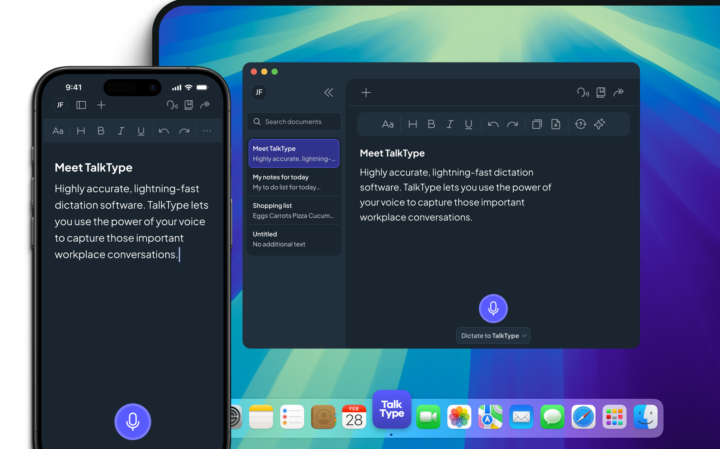
Assistive technology is one of the best ways to reduce the amount of typing or handwriting someone needs to do at work or college. With access to digital notetaking tools, it’s easy to capture important information during meetings or lectures, while dictation or speech-to-text software allows you to convert any spoken words into written text. If you struggle with writing, these options can help you to record ideas without handwriting becoming a barrier.
Living with dysgraphia can also be made easier with simple tools and techniques that reduce strain when handwriting. This includes:
Pen grips: Pen grips can make a pen easier and more comfortable to hold by giving you a larger, softer surface to grip. They may also help reduce how tightly you need to hold the pen, which can lessen strain and fatigue.
Angled writing surfaces: Writing on a sloped or angled surface can put your wrist and hand in a more comfortable position, which may make writing feel easier and reduce strain.
Mindmapping: Mindmapping can help you organise your thoughts before you start writing. Instead of having to think of everything in the right order straight away, you can jot down ideas and connections first, then use them to guide your writing.
Students and staff with dysgraphia may also be able to access additional financial support for work or study, depending on their individual circumstances and what challenges they’re facing.
For employees, Access to Work may be able to provide practical support with the additional costs of working with a disability or health condition, such as any specialist equipment or assistive software. You don’t need a formal diagnosis to apply.
Equally, some students may be eligible for Disabled Students’ Allowance (DSA). This is designed to cover study-related costs arising from a disability or specific learning difficulty. Eligibility and evidence requirements vary depending on someone’s circumstances and where in the UK they study, so it’s worth checking the relevant criteria before applying.
It’s possible for dysgraphia to continue into adulthood, although everyone is different. Some people may find writing harder or easier as they age, depending on their personal experiences and whether they’ve had access to writing strategies, adjustments, or assistive technology. Lots of people develop their own methods for making writing easier at work or in education without realising it. They might rely more on typing or choose specific pens that feel better to write with.
Dysgraphia doesn’t have the same clearly defined status in the UK as conditions such as dyslexia or dyspraxia, and it isn’t listed as a specific learning difficulty in England’s SEND Code of Practice. Despite this, the term is still used and understood by many SENCOs and educational specialists.
If you’re struggling with writing and believe dysgraphia could be the reason, you could speak to a qualified SpLD assessor, educational psychologist, or occupational therapist. They can look at the difficulties you’re experiencing and help to establish whether they may be linked to dysgraphia or another related condition. Your GP won’t be able to diagnose you, but they may be able to refer you on for appropriate support or assessment.
Dysgraphia itself isn’t something you need to worry about, but writing difficulties can become frustrating or tiring if you don’t have the right support. If writing is regularly causing problems at work, in education, or in day-to-day life, it may be worth speaking to a specialist to better understand what’s going on and what could help.
There’s no simple answer to this. Although dysgraphia isn’t automatically considered a disability under UK law, it may be classed as one under the Equality Act 2010, depending on how significantly and for how long someone’s difficulties affect their everyday activities. Even without a formal dysgraphia diagnosis, people who experience substantial difficulties with writing may still be entitled to support or reasonable adjustments at work or in education. Eligibility for schemes such as Access to Work or Disabled Students’ Allowance also tends to focus on how someone’s difficulties affect them, rather than simply the name of a diagnosis. If you’re unsure what support you may be entitled to, it’s best to visit GOV.UK or speak to your employer, school, college or university.

Our small but mighty team builds leading-edge software that people love. We pride ourselves on a user-led approach to product design. The voice of the customer shapes what we create and that’s exactly how great assistive tech should be made.
Misophonia is more than just disliking certain sounds. For some individuals, the emotions brought on by it can be so extreme…

There’s a lot of confusion when it comes to understanding ADHD in men. In this helpful guide, we explore different types…

The government can provide extra financial support if you have a disability or health condition that significantly impacts your daily life.…