

Misophonia: Sound Triggers, Symptoms, and Support
Misophonia is more than just disliking certain sounds. For some individuals, the emotions brought on by it can be so extreme…
Also referred to as Developmental Co-Ordination Disorder (DCD), dyspraxia affects balance, co-ordination, and motor movements that have a significant impact on daily life. In this blog post, we get into the details of dyspraxia to help you understand more about this particular type of neurodivergence.
Dyspraxia is a developmental and neurodivergent condition that affects movement, balance, and coordination. It’s also a learning difficulty that affects around 5-6% of children and around 10% of adults. Dyspraxia is an applied neurodivergence which means it’s present at birth. As an innate condition, it disrupts communication between the brain and body and affects a person’s fine motor skills.
It’s important to note that dyspraxia does not reflect a person’s level of intelligence. Many people lead successful lives, with celebrity ambassadors including actor Daniel Radcliffe and musician Florence Welch.
People with dyspraxia may experience crossover with other conditions including dyslexia, ADHD, ADD, and ASD. They experience a range of symptoms relating to movement, spatial awareness, and organisational skills including organisation speech, attention, and thoughts.
If an adult is struggling with movement and coordination to such an extent that it causes problems with their day-to-day activities, they may want to seek a diagnosis of dyspraxia or DCD from their GP. Individuals may find it useful to create a diary or log of their movement challenges and be specific about which activities or duties they struggle with.
Pathways to a diagnosis aren’t simple and may involve a diagnostic and needs-based approach to assessment.
Getting a diagnosis may involve a referral to an occupational therapist or a physiotherapist for assessment. If a GP has ruled out any other conditions, the physiotherapist or occupational therapist may confirm a diagnosis of dyspraxia or DCD. An assessment can include the following:
In some cases, a neurologist may be the most appropriate referral point.
Needs-based assessments can help to determine the best support for someone with dyspraxia or DCD. A formal diagnosis is not a prerequisite and individuals can request a needs-based assessment to support daily living.
These assessments may include a review of lifestyle aspects where dyspraxia or symptoms of dyspraxia cause difficulties:
An occupational therapist, physiotherapist, psychologist, or specialist assessor may carry out such assessments. GPs can also make referrals to paediatricians, occupational therapists, or learning specialists to ensure children receive the most appropriate support available.

Learn more about our monthly newsletter for neurodiverse professionals
Both adults and children can experience dyspraxia or DCD. And this will be evident in different ways. Dyspraxia affects three main areas of functioning – movement, organisation, and speech and language.
In this section, we offer a dyspraxia checklist that may be helpful to review before considering any formal diagnosis.
A key feature of dyspraxia in adults is experiencing difficulty with coordination. Several physical signs may reveal problems with movement and coordination:
Adults with dyspraxia can also struggle with organisation and planning skills. Some areas this can manifest include:
Speech and language can also be problematic for many people with dyspraxia. This can manifest in the following ways:
Younger and older children will display various symptoms including difficulties with movements during physical play and problems organising their thoughts. Some children with dyspraxia may display the following signs within our dyspraxia checklist:
Older children and teenagers may show similar yet different symptoms at home and school. These can include:
Since it’s an innate condition that often runs in families, dyspraxia has no cure. Despite this, it is possible to gain treatment that supports daily living and gives people better access to daily life.
Occupational therapy and psychotherapy are options for adults to consider as therapeutic support for dyspraxia. Many people do need support to carry out their daily activities and duties, and this is where occupational therapy may be helpful.
Other forms of therapy may include counselling or CBT which may help with managing feelings around having the condition and improve quality of life.
People with dyspraxia can also gain practical and emotional support through the government’s Access to Work scheme. By applying for a workplace needs assessment, individuals can increase workplace accessibility and boost their confidence.
Read our recent newsletter on navigating dyspraxia in the workplace
Dyspraxia impacts the communication pathways between the brain and the body. It’s considered an applied neurodivergence as opposed to an acquired neurodivergence, where someone may develop neurodivergence over time.
In this sense, dyspraxia doesn’t impact or reflect someone’s level of intelligence. Dyspraxia symptoms exist on a spectrum and affect children and adults in different ways. It’s considered a learning disability since it can limit someone’s ability to organise and plan their thoughts.
Like dyslexia, people with dyspraxia need access to supportive tools and interventions to manage their symptoms, boost their confidence, and increase their level of accessibility.
Verbal dyspraxia is where children find it difficult to coordinate the exact movements of their mouths. Children with this condition find it hard to make speech sounds using their mouths. Plus, the disorganised thinking that can come with dyspraxia can compound this ability.
Verbal dyspraxia is also referred to as Childhood Apraxia of Speech. Some of the key symptoms of the condition include the following:
Getting help for verbal dyspraxia involves meeting with a speech and language therapist to carry out necessary tests. The therapist may then be able to diagnose verbal dyspraxia, although diagnosis will often include an occupational therapist or paediatrician.
Video describing verbal dyspraxia presented by Exceptional Individuals
As applied neurodivergent conditions, dyslexia and dyspraxia are often spoken about in similar terms. They’re both classed as disabilities under the Equality Act 2010 to protect individuals from discrimination. And they both impact language processing.
But while both neurodivergences impact a person’s fluency and ability with speech and language, in practice dyslexia and dyspraxia impact different areas of the body.
Dyslexia affects reading, writing, and spelling. People with dyslexia have problems with phonological awareness to match the sound of words with the way they’re written.
Dyspraxia impacts coordination, organisational skills, and speech and language. This can mimic aspects of dyslexia when individuals have coordination problems when writing or when organising words in their mind. In practice, both are distinct conditions with different symptoms that can sometimes co-occur. For instance, someone with dyslexia may also be dyspraxic while having ADD or ADHD.
Physicians should treat dyslexia and dyspraxia separately to allow individuals with these conditions to gain the most targeted and appropriate support.
Apraxia is a separate neurological condition from dyspraxia that describes the complete loss of the ability to perform movements or coordinate the body, despite understanding the need to. People with apraxia have great difficulty or find it impossible to move in particular ways, despite normal muscle function and a clear understanding and impulse to do so.
There are many types of apraxia, including apraxia of speech, which is different from verbal dyspraxia or Childhood apraxia of speech. Apraxia of speech refers to individuals who find it difficult to speak at all or who can’t instruct their bodies to form words in the usual way.
Other types of apraxia include ideational apraxia, ideomotor apraxia, oculofacial apraxia, oculomotor apraxia, and melokinetic apraxia.
Symptoms of apraxia may include:
Want to Know More About Our Products?
While there is some overlap between dyspraxia and apraxia, apraxia is most often a result of brain damage. Apraxia is usually evaluated by a Doctor with physical exams, brain functioning, and imaging tests to support any diagnosis.
Like dyspraxia, there isn’t a cure for apraxia. However, patients can deploy management techniques and physical therapies to support them with daily living.
Some empirical studies suggest dyspraxia may be inheritable. But, according to the Dyspraxia Foundation, scientists have not identified any specific gene. They suggest a likelihood of many different factors that cause dyspraxia, with genetics being one.
In essence, family history may increase someone’s chances of being born with or discovering they have dyspraxia. This is likely to be a factor that a Doctor or therapist will consider during any assessment for dyspraxia.
Parents may have to review family members who experience difficulties with coordination, poor posture, fatigue, or a lack of ability to carry out daily tasks.
Assistive technology can be used to support and enhance communication for people at workplaces and universities. CareScribe is at the forefront of assistive technology and our products address a wide range of needs.
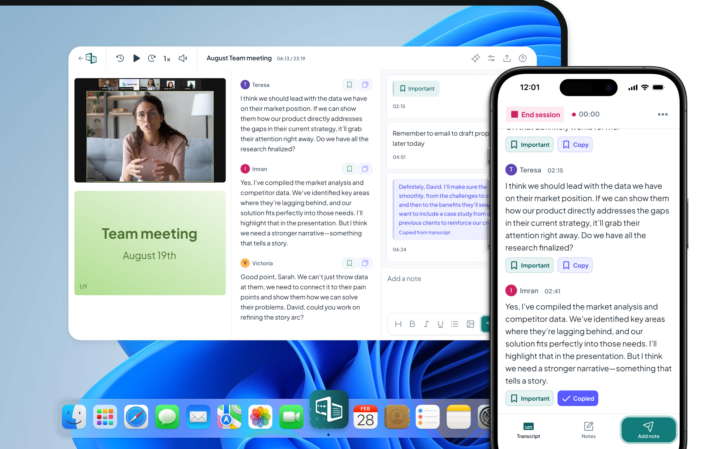
Featuring a set of custom dictionaries with live captioning and note-taking functions, Caption.Ed can add captions instantly to your meetings, lectures or seminars, either in-person or online. You can also add timestamped notes, synced to your transcript, and highlight key information so you never miss out on the important stuff.
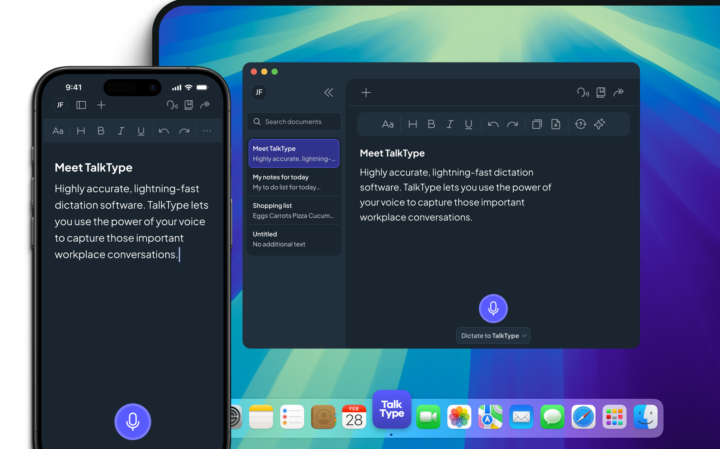
TalkType is highly accurate dictation software built for Windows, Mac, and mobile devices. Dictation software like TalkType can transform the way you work and study. As well as boosting productivity and efficiency, dictation software can provide autonomy to anyone who cannot type using traditional keyboards.
Caption.Ed and TalkType are dynamic AT tools that are transforming outcomes across many workplaces and universities.

Our small but mighty team builds leading-edge software that people love. We pride ourselves on a user-led approach to product design. The voice of the customer shapes what we create and that’s exactly how great assistive tech should be made.
Misophonia is more than just disliking certain sounds. For some individuals, the emotions brought on by it can be so extreme…

Dysgraphia is a lesser-known handwriting difficulty that’s often mixed up with conditions like dyslexia and developmental coordination disorder (DCD). So, how…

Many people with autism report finding it easier to focus on one task at a time, known as “monotropism”. While monotropism…