


Misophonia: Sound Triggers, Symptoms, and Support
Misophonia is more than just disliking certain sounds. For some individuals, the emotions brought on by it can be so extreme…
Do you know the difference between a learning disability and a learning difficulty? Whether you’re seeking a diagnosis or want to understand the nuances of neurodiversity, understanding what sets them apart is key to accessing the right treatment and support. Explore how they differ in this helpful guide.

A learning difficulty or specific learning difficulty (SpLD) is a neurological difference that affects how a person takes in and processes information. This brain difference can make certain types of tasks more challenging, particularly those that require mental energy. For example, someone with a learning difficulty may find it harder to excel in academic areas like literacy and maths.
A learning difficulty has nothing to do with intelligence. It’s simply a specific barrier to learning in a traditional way.
A learning disability is a neurological condition that affects how a person learns and processes information from the world around them. Learning disabilities can affect all areas of a person’s life. They can cause difficulty with communication, work, socialising, and even simple daily tasks like washing and dressing.
With learning disabilities, the brain looks different from a neurotypical brain; this means it can take a person longer to learn things, and they may require varying levels of support to help them manage daily tasks. Some people only need help with trickier tasks like managing money, while others may need full-time care for all their personal needs.
People sometimes confuse learning disabilities with learning difficulties such as dyspraxia and dyslexia, but they’re not the same. The main difference between the two is their impact on both learning and daily life.
If someone has a learning difficulty, they usually find it’s specific to one or two areas, such as reading or numbers, while other tasks remain unaffected. To complete tasks successfully, a person might need a little extra time or find they have to use creative methods for remembering things. Aside from their specific area(s) of difficulty, they can usually manage their daily lives and live independently.
This isn’t the case for someone with a learning disability. A person with a learning disability will generally face broader, more complex challenges that go beyond a single area. This is why learning disabilities are often called ‘global conditions’ – because the impact can be so huge.
Still not sure you can spot the difference between a learning disability and a learning difficulty? You may find it easier to tell them apart after exploring their associated conditions.
Common learning disabilities include:
Common learning difficulties include:
While these are all distinct conditions, it’s not uncommon for someone to have both a learning disability and a learning difficulty at the same time. This is what’s known as comorbidity.
People often mix up the terms “learning difficulty” and “learning disability” due to regional and linguistic differences. In the UK, we use these terms to distinguish between global intellectual impairment (affecting overall IQ and daily life) and specific learning hurdles (like dyslexia). However, in the US, the terms are used differently.
In the States, a UK “learning disability” is called an “intellectual disability”, while a “learning disability” is the equivalent of what we call a learning difficulty. This can make things confusing, particularly during online discussions, as shown in this learning disability thread on Reddit.
You may find it helpful to remember:
USA = “Disability” for almost everything.
UK = “Difficulty” or “Disability” depending on everyday impact.
If you have a diagnosis that affects your work, education, or daily life, it helps to understand how support differs between difficulties and disabilities in the UK. Here’s what you need to know:
Learning Difficulty: If you have a learning difficulty, any help you receive in work or university is there to level the playing field and lessen the impact of your condition on your tasks and responsibilities. For example, you might need extra time to complete written work, dictation tools instead of typing, or even one-on-one phonics support. In education, universities manage these needs through disability support teams. In the workplace, employers can provide support through reasonable adjustments.
Learning Disability: With learning disabilities, the focus is more on building life skills and communication alongside traditional academics. This might mean someone’s needs include an altered curriculum, as well as speech and language therapy and sensory rooms. If someone has Profound and Multiple Learning Disabilities (PMLD), traditional learning may be too much of a struggle.
The Equality Act 2010 legally protects both categories.
Learning Difficulty: Although someone with a learning difficulty may be eligible for some protections under the Equality Act 2010, when it comes to health and social care, people with learning difficulties rarely require support for daily hygiene or safety.
Learning Disability: Healthcare needs are often greater for someone with a learning disability diagnosis. They’re likely to be offered an “annual health check” from the NHS, since they may struggle to spot or communicate physical pain. They may also be eligible for a care needs assessment to check if they need a personal assistant or supported living.
Learning Difficulty: When it comes to finances, students with a learning difficulty may be eligible for Disabled Students’ Allowance (DSA). This helps to cover the cost of specialist equipment or study skills coaching. For people in employment, an Access to Work grant is usually the best funding option. This can cover the cost of assistive software or workplace mentoring. Some people with severe difficulties may also qualify for Personal Independence Payment (PIP).
Learning Disability: People with learning disabilities tend to require more wide-ranging financial support. Individuals are much more likely to qualify for PIP or Adult Disability Payment (in Scotland) to assist with the higher costs of daily care. They may also be eligible for Employment and Support Allowance (ESA) if their condition limits their ability to work.

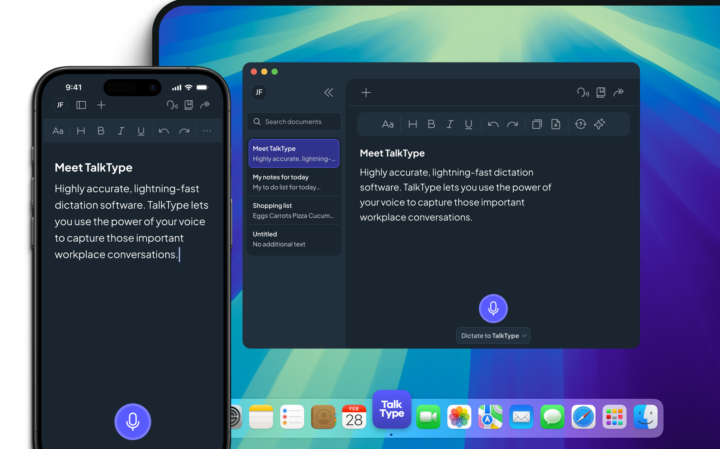
Our small but mighty team builds leading-edge software that people love. We pride ourselves on a user-led approach to product design. The voice of the customer shapes what we create and that’s exactly how great assistive tech should be made.
Misophonia is more than just disliking certain sounds. For some individuals, the emotions brought on by it can be so extreme…

Dysgraphia is a lesser-known handwriting difficulty that’s often mixed up with conditions like dyslexia and developmental coordination disorder (DCD). So, how…

Many people with autism report finding it easier to focus on one task at a time, known as “monotropism”. While monotropism…