



Understanding ADHD in Men: Symptoms, Differences, and Support
There’s a lot of confusion when it comes to understanding ADHD in men. In this helpful guide, we explore different types…
Assistive Technology for Dyslexia offers effective support to overcome challenges with dyslexia. Individuals with the condition may have trouble with verbal memory, processing speeds, or phonetic awareness. But, whatever challenges they face, people with dyslexia can live more productive and satisfying lives using assistive tech. So, read on to understand how these technologies allow people with dyslexia to thrive.

Reports suggest around 1 in 10 people in the UK has dyslexia, which affects people across the entire spectrum of intelligence. Along with reading, writing, and spelling difficulties, the British Dyslexia Association suggests people with dyslexia show problems in the following areas:
So what are some key ways Assistive Technology for Dyslexia supports people to overcome these challenges?
Research suggests most people with dyslexia benefit from dyslexia support when it allows them to learn and function independently. By removing the need for a ‘middle man’, Assistive Technology for Dyslexia can facilitate better autonomy in a more convenient, controlled way.
Neurodivergent individuals tend to experience chronic tiredness, fatigue, and burnout more than neurotypicals. Assistive tech reduces the strain of using extra mental and physical energy to achieve the same results as neurotypicals.
The Business Disability Forum suggests three-quarters of managers witness increased staff productivity after making workplace adjustments. Using Assistive Technology for Dyslexia for workplace adjustments can also improve staff motivation to stay with an organisation. It does this by bridging gaps, overcoming challenges, and facilitating independence. And, as a result, increasing output and job satisfaction.
Using Assistive Technology for Dyslexia to increase reading and writing fluency and accuracy helps reduce anxiety levels. By removing physical and emotional strain, AT like text-to-speech or dictation software can boost focus, concentration, and independent thinking. This allows people with dyslexia to let their thoughts and ideas flow, which can increase confidence.
People with dyslexia have a wide range of tools that can support them with their work or studies. Whether they struggle with typing, speaking, or writing words, different forms of Assistive Technology for Dyslexia can help.
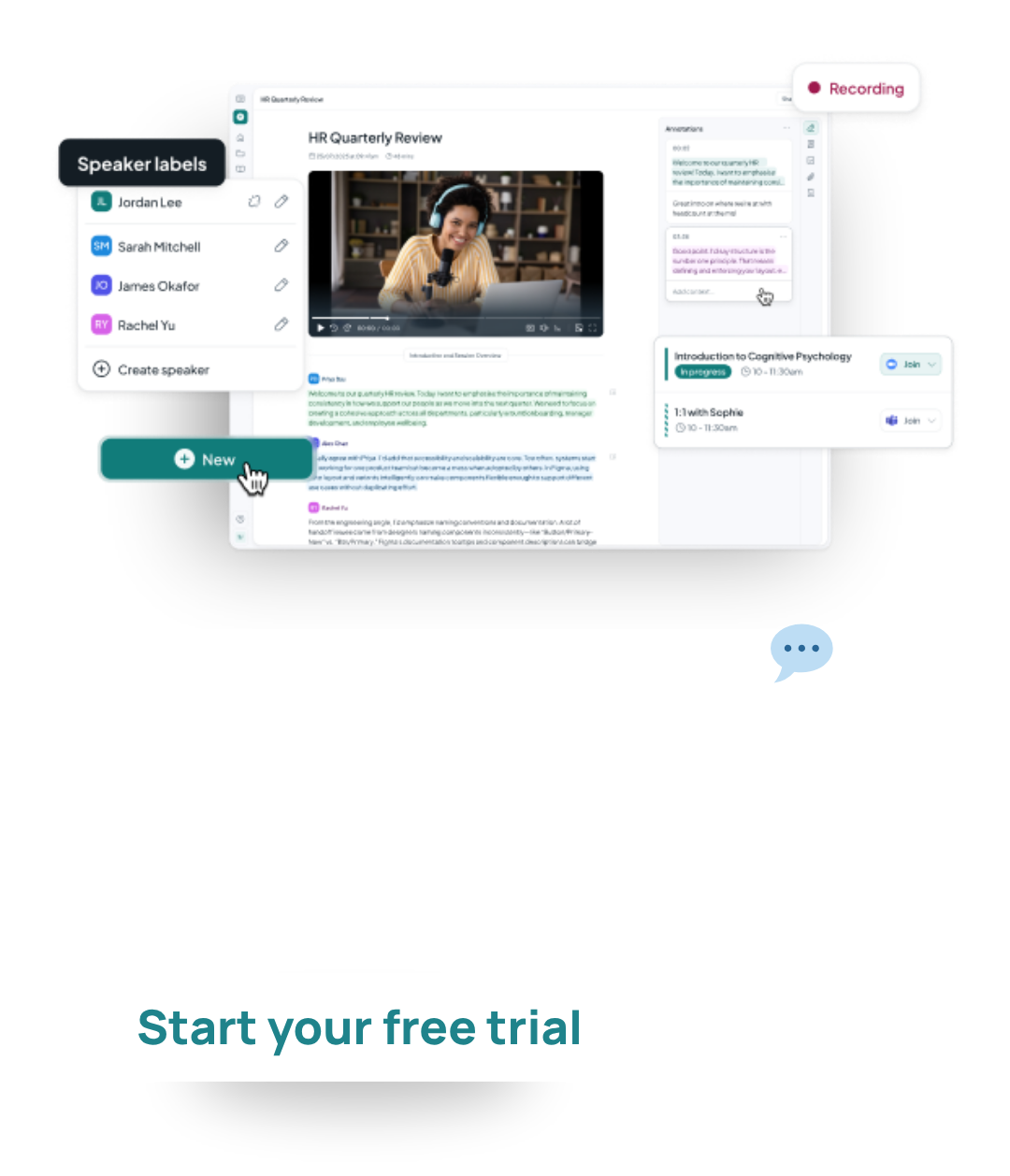
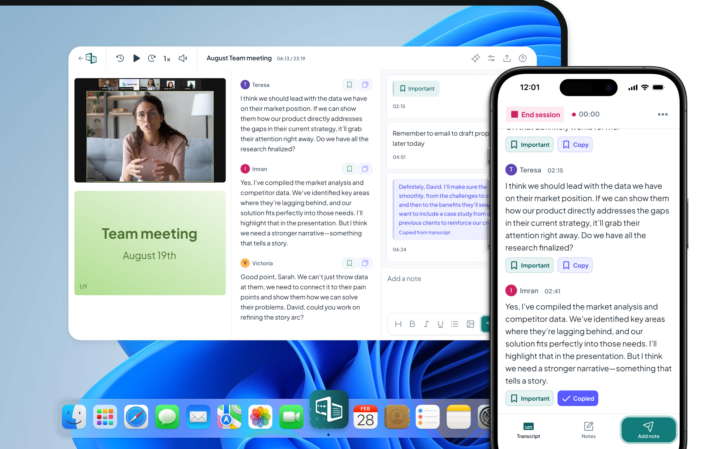
Real-time closed captioning software closes the gap for people with dyslexia by converting spoken words into closed captions. Accurate transcriptions are also available through this software, offering dyslexia users a backup option of reading through a meeting to check through what they may have missed.
Note-taking software improves focus and concentration. But it also removes any fear of not keeping up with conversations or inaccuracy during meetings. By reducing stress and anxiety, note-taking software aids learning, comprehension, and improves memory recall via the Generation Effect.
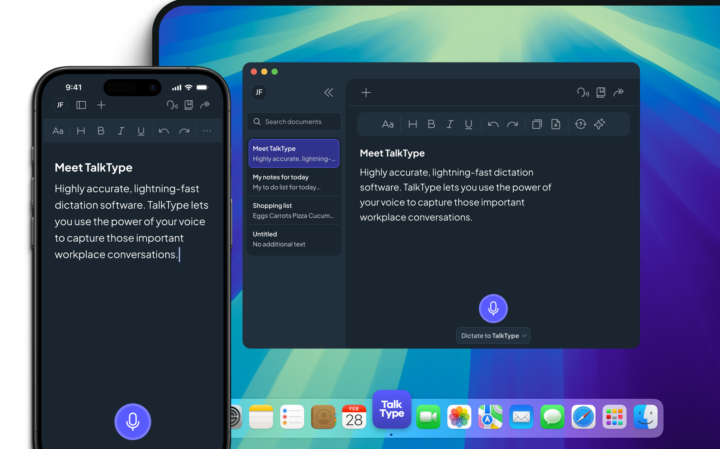
Dictation software is a type of Assistive Technology for Dyslexia that allows voice control so that users’ spoken words convert into words on a page. Knowing this tool can help boost user’s confidence and productivity.
Text-to-speech software converts written text into spoken words. This format is very beneficial for people with dyslexia who struggle with too much information on a screen. This type of software will read text out loud as it appears on the page while reducing spelling errors. It can also help avoid reading or writing issues that could lead to misunderstandings.
Decluttering apps can remove adverts and other on-screen clutter to help people with dyslexia read their screens better. Other types of Assistive Technology for Dyslexia apps can read screens and magnify certain points to help when reading. Spell-checking apps also make it easy to notice grammar and spelling issues before sharing with clients and colleagues.
Dyslexia-friendly fonts are available on Google Docs, Microsoft Word, and all leading word-processing software. Other types of software are bespoke to dyslexia and use a specific typeface with subtle but impactful alterations that make letters easier to read. Word prediction software can also help with overcoming spelling and writing difficulties.
Electronic calendars, project management tools, mind-mapping tools, and even Caption.Ed are all tools that can improve organisation skills. Using apps to improve organisational skills increases focus, confidence, and productivity. And many of the apps we use for daily work and communication can also be forms of Assistive Technology for Dyslexia.
Certain types of Assistive Technology for Dyslexia are free when you apply through two available government funding streams:
Students with dyslexia must find the right tools to support their learning and assist in overcoming any study challenges. Notable tools that can help students with their learning include:
People with dyslexia can use assistive technology to improve focus, reduce anxiety and overwhelm, and help in a variety of workplace settings.

Our small but mighty team builds leading-edge software that people love. We pride ourselves on a user-led approach to product design. The voice of the customer shapes what we create and that’s exactly how great assistive tech should be made.
There’s a lot of confusion when it comes to understanding ADHD in men. In this helpful guide, we explore different types…

The government can provide extra financial support if you have a disability or health condition that significantly impacts your daily life.…

If you’re struggling with ADHD symptoms as an adult, it’s only natural to wonder whether ADHD can get worse with age.…