



Unpacking Monotropism: A Theory of Attention in Autistic Minds
Many people with autism report finding it easier to focus on one task at a time, known as “monotropism”. While monotropism…
Many people with dyslexia can also experience visual difficulties when reading, from blurred text to words that seem to move. But what’s that experience like? And what causes them in the first place? In this post, we’ll be dispelling some common myths, delving into examples, and sharing helpful reading tips for those with the condition.
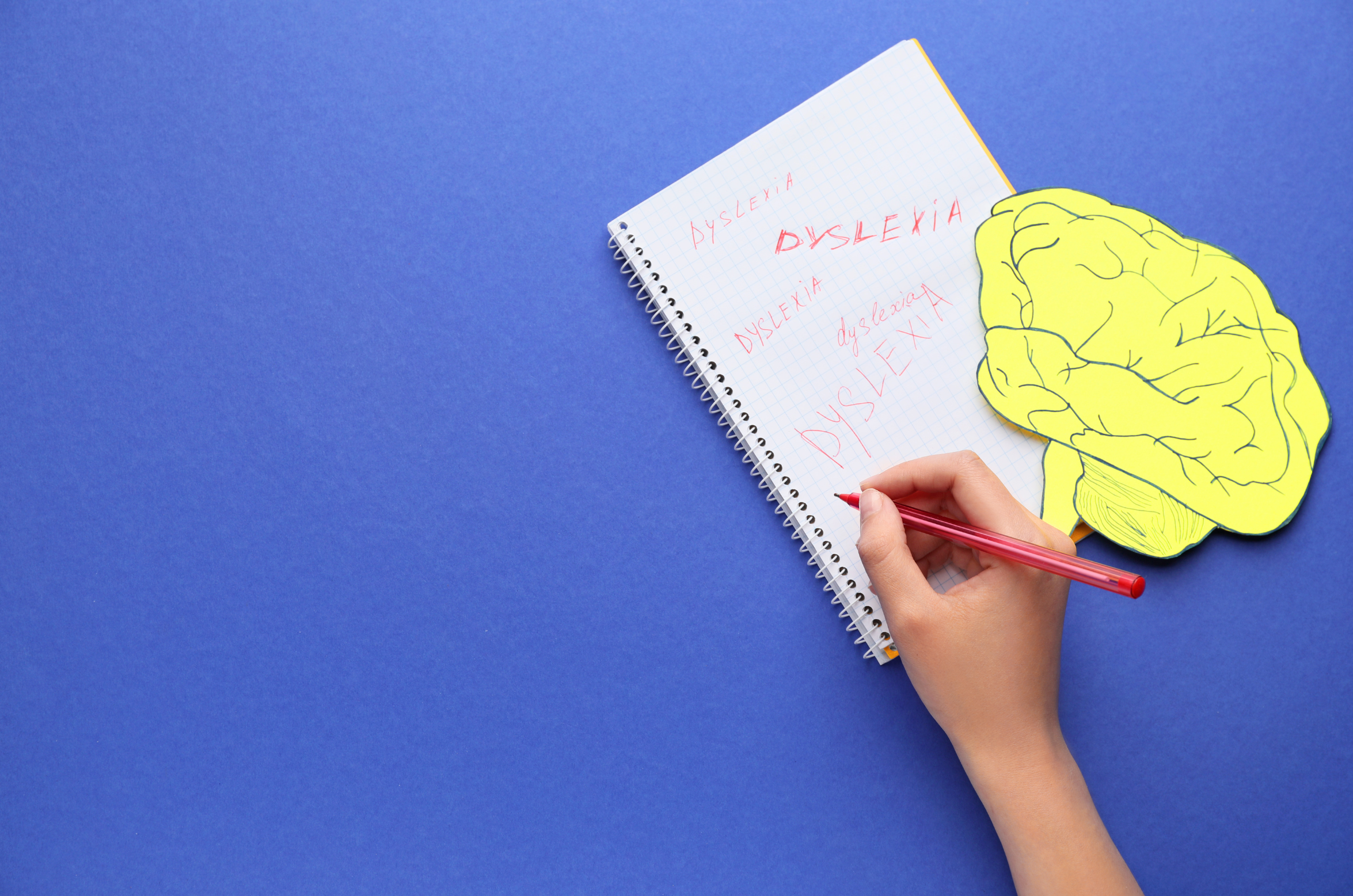
For people without dyslexia, it’s only natural to wonder what it is that those with the condition “see” while reading. But the truth is, although some people with dyslexia may experience visual disturbances, dyslexia isn’t an eye condition; it’s a neurodevelopmental learning difficulty that affects how the brain processes language, particularly written text.
When people with dyslexia see text on a page, a whole range of different phenomena can occur. For example, some people might confuse similar-looking letters, like b and d, or find it hard to sound out unfamiliar words, while others may also experience visual difficulties, such as letters appearing to jump around. It can vary greatly from person to person.
Research suggests that around 30 to 40% of people with dyslexia may experience visual stress, a sensitivity to printed text that can cause discomfort and distortions when reading. Estimates vary depending on how it’s measured, and visual stress is also common in people without dyslexia, which is why researchers see the two as separate conditions that can occur together. Yet, since dyslexia isn’t an eye problem, you might be wondering where these difficulties come from. Fortunately, science offers us some clues.
Visual symptoms when reading can have a number of causes, from needing glasses to binocular instability, where the eyes don’t coordinate smoothly. These can affect anyone, whether or not they have dyslexia, which is why it’s important to have them checked.
Various neuroimaging studies have shown that in people with dyslexia, there are differences in brain structure and function, particularly in regions responsible for reading and language. A theory called the magnocellular theory suggests that some dyslexic individuals have differences in visual pathways responsible for motion and timing. However, it remains widely debated, and it isn’t an established explanation for dyslexia or for text appearing to move. Some research also explores differences in visual attention, which may affect tracking along lines of text or focusing on specific letters.
As with most neurodevelopmental conditions, dyslexia exists on a spectrum, and its impact varies from person to person. Some people with dyslexia also have visual difficulties, while others don’t. These challenges are internal and not visible, which can make the phenomena harder for others to comprehend.
When reading, some people with dyslexia describe noticing any or all of the following:
These experiences come from visual difficulties rather than dyslexia itself, so people without dyslexia can notice them too. Double vision in particular should always be checked by an optometrist or GP, as it can be a sign of an eye problem that needs treatment.
Thanks to modern tech (and a few clever people with smart ideas), there are now illustrations that try to recreate some of these experiences, like this live simulation by software developer Victor Widell and these examples of visual distortions by Holly Swinton. They aren’t scientific recreations, and not everyone with dyslexia will relate to them, but they can help others picture how uncomfortable reading can feel.
On her page, Holly makes a vital point about what we assume to be normal. She points out that children may not even realise words are behaving strangely because they expect reading to be the same for everyone. This assumption of what is “normal” is something shared by many people with – and without – neurodevelopmental conditions. If we aren’t told how something should be, we will simply continue to experience the world in the way we do, without questioning it.
Of course, acceptance of what we see as our own “normal” can be healthy and even helpful, but it should never get in the way of us seeking support for the things we find difficult.

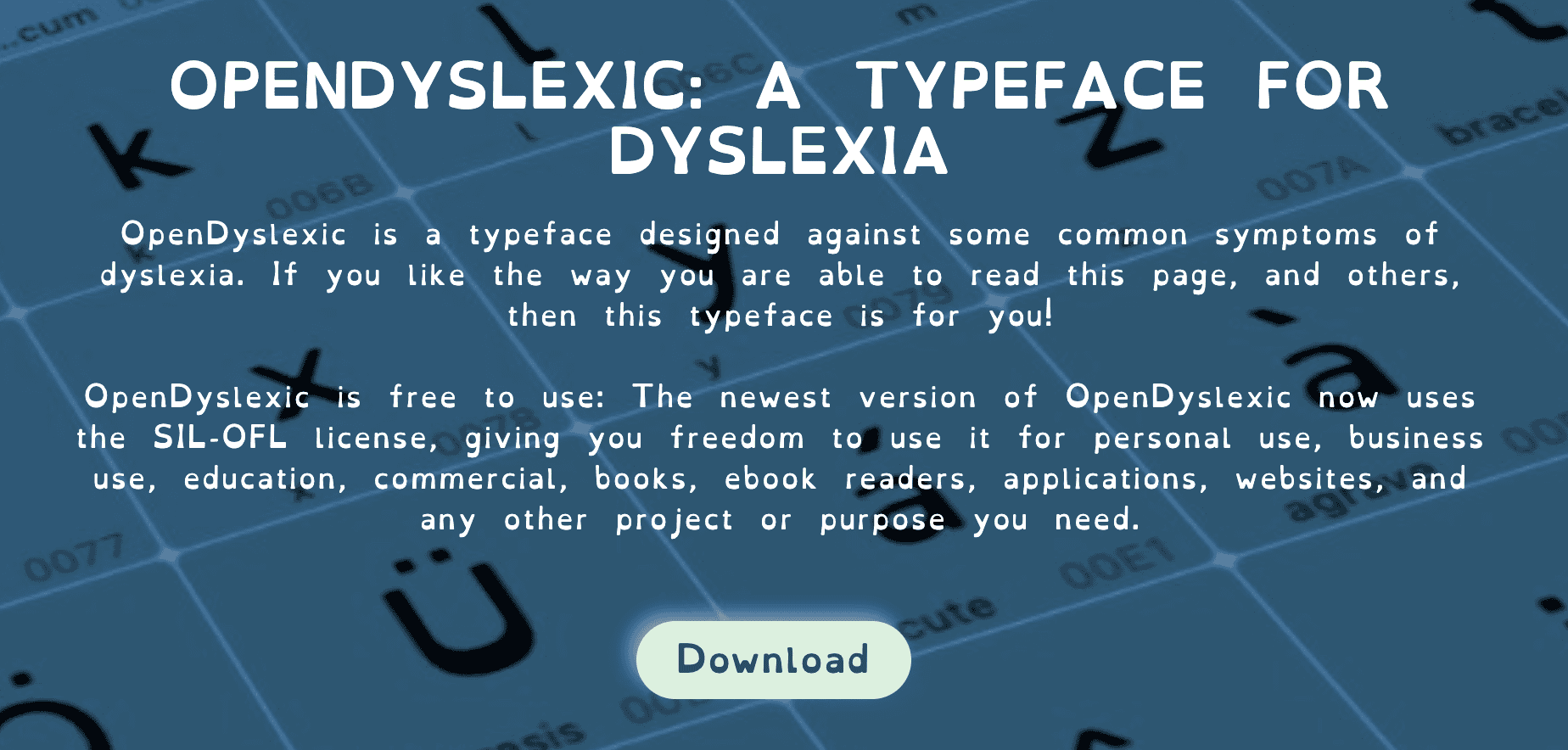
While there is little research into the effect of different fonts on dyslexia, many people with the condition suggest that experimenting with different typefaces, text sizes, and colours can make it easier for them to process information.
If you have dyslexia or are experiencing visual symptoms, here are some helpful tips to try out yourself. These can also be helpful for those with ADHD or with combined ADHD and dyslexia.
If you’re seeing letters that appear to wobble or words that jump around, it’s always a good idea to get your eyes checked by an optician, whether or not you have dyslexia. They’re the experts when it comes to your vision, and they can make sure there isn’t anything going on with your eyes themselves that needs sorting out.
Things like needing glasses or having another eye condition can make reading harder, so it’s a sensible first step to rule those out. When you book, and again at your appointment, describe what you notice when you read. Your optometrist can then decide whether you need any further checks.
If your optometrist gives you the all-clear, but you’re still experiencing visual phenomena when reading, it’s worth having a chat with your GP. They can assess your overall health and point you in the right direction for further support.
It’s also worth remembering that visual symptoms aren’t used to diagnose dyslexia, and plenty of people experience them without having the condition. The only way to know for sure is through an assessment with a specialist assessor or psychologist.

Our small but mighty team builds leading-edge software that people love. We pride ourselves on a user-led approach to product design. The voice of the customer shapes what we create and that’s exactly how great assistive tech should be made.
Many people with autism report finding it easier to focus on one task at a time, known as “monotropism”. While monotropism…

There’s a lot of confusion when it comes to understanding ADHD in men. In this helpful guide, we explore different types…

Ever find yourself replaying thoughts over and over again in your mind? Perhaps you wish you could just scream “STOP” and…