



Living With Functional Cognitive Disorder
Functional cognitive disorder (FCD) is a lesser-known condition that causes issues with forgetfulness and difficulty concentrating. In this post, we explore…
Workplace leaders must make every effort to treat people with disabilities and neurodivergence fairly. Disability discrimination at work is illegal and can lead to victimisation, stress, high staff turnover, and damaged employer branding. So what is disability discrimination at work and what can you do to avoid it? Let’s explore it in this post.

With almost a quarter of the UK population reporting a disability in 2023, UK employers must ensure they’re providing appropriate levels of support to employees with disabilities and neurodivergence. This may include writing policies and carrying out practices that avoid direct or indirect discrimination. And it’s a moral obligation as well as a legal one under the Equality Act 2010.
People with disabilities and neurodivergence can and do experience varying degrees of disability discrimination at work. In some cases, employment policies can cause indirect discrimination. Other times, employers may fail to offer staff reasonable adjustments they need like flexible shifts or assistive technology.
In more extreme cases, staff can experience verbal harassment as a direct form of discrimination. Workplace leaders can find handling such issues difficult. But ignoring them more often than not leads to low morale, high staff turnover, grievances, and employment tribunals.
Discrimination that arises from disability occurs when workplace leaders judge the impact of someone’s disability. It’s an indirect, unintentional form of discrimination when leaders and managers try to address the effects of someone’s disability. Some examples include:
Some instances of disability discrimination at work may be lawful if evidence of a genuine business need. For instance, managers can suggest alternatives to an assistance dog as a way to protect the health and safety of other staff.
Disability discrimination at work can happen in many different settings, from the office to home-working and even staff socials. The Equality Act 2010 aims to tackle discrimination at every point by protecting staff across six areas of disability discrimination, one of which we already covered in the previous section:
Staff can face direct discrimination when they receive less favourable treatment or disadvantage at work because of their disability or neurodivergence.
If someone believes they experienced this form of discrimination they should find a comparator example to see the treatment others received. The comparator must have the same abilities and skills as the person discriminated against. This will provide evidence of unfair treatment.
Other subtypes of direct discrimination include:
Company policies, cultures, and ways of working can cause indirect discrimination against people with neurodivergence and disability. With such a high risk of inadvertent discrimination coming from these areas, employers must ensure they consider every type of protected characteristic in their DEI and HR policies.
Indirect disability discrimination at work is unlawful unless the organisation or employer can provide a good reason for the decision. When they can provide a reason it’s referred to as objective justification.
The Equality Act 2010 sets out a list of protected characteristics that includes a broad definition of disability. In most cases, this definition includes neurodivergence, such as dyslexia, which it defines as a disability.
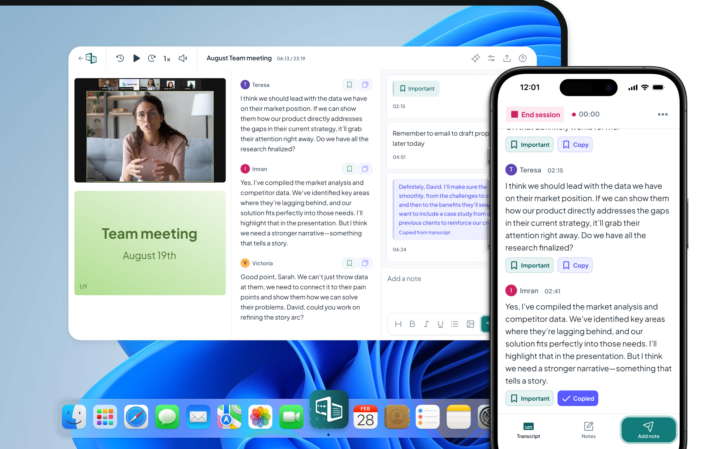
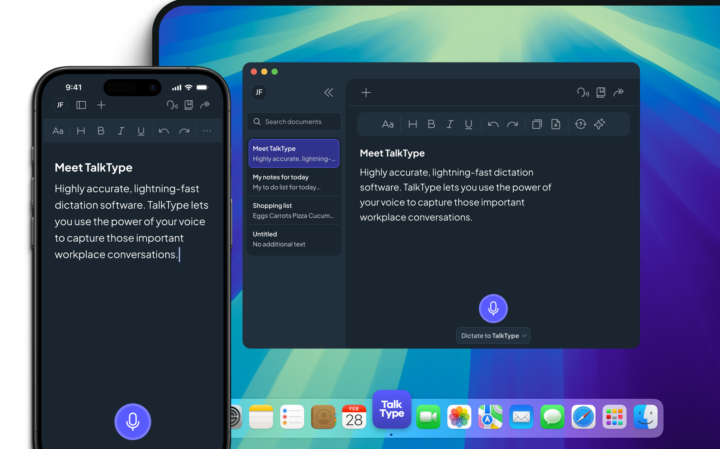
Dyslexia affects around 10% of the population and employers must make reasonable adjustments for people with this type of neurodivergence such as introducing assistive technology or offering later starting times. For example, implementing a speech recognition tool can enable a dyslexic employee to dictate reports instead of typing, making it a reasonable adjustment under the Equality Act. Similarly, offering a captioning app in meetings ensures that an employee with auditory processing issues can follow the discussion without missing key points.
Employers are legally bound by the Equality Act 2010 to make reasonable adjustments for staff with disabilities. But if they believe a suggested amendment isn’t reasonable they must explain that to the staff member and offer an alternative form of support.
Employers are responsible for the actions of employees and third-parties so must be vigilant over any form of verbal, physical, or written harassment. Harassment against people with disabilities can take many forms including:
Staff and managers who make too much of a point to ask employees with disabilities and neurodivergence how they are in front of others can cause harassment. People with disabilities and neurodivergence want to feel empowered to do their jobs and–once they do–they should receive the same treatment as their peers.
Victimisation can happen when a staff member receives less favourable treatment or receives negative feedback because they’re involved with a ‘protected act’. Examples of a protected act include:
Victimised staff can experience gossip behind their backs, exclusion from activities and meetings, and deliberate acts of intimidation. Employers must take any complaints of victimisation seriously and decide whether to handle them formally or informally.
To bring some clarity to this topic, let’s take a look at some typical examples of disability discrimination at work through the lens of each type we’ve described:
Disability discrimination at work cases in the UK are rising and reports suggest disability discrimination claims have surged by 30% in recent months. Much of this is because employers are catching up with providing appropriate support and recognition for staff mental health conditions like depression and anxiety.
While depression and anxiety are also considered neurodivergent conditions, dyslexia, ADHD, PTSD, and autism can also affect staff performance at every level of an organisation up to Executive Director. When disabilities aren’t properly recognised and managed it can result in claims and tribunals of huge sums of money. So let’s take a look at some examples of where things can go wrong.
Meseret Kumulchew disclosed her dyslexia to her employer Starbucks yet found herself accused of fraud and falsifying documents over a simple mistake. Ms Kumulchew had a supervisory role in the Clapham branch where she was responsible for recording fridge and water temperatures at certain times of the day. Having made an error in reading time and writing, Starbucks accused her of fraud and treated her unfairly.
Ms Kumulchew confirmed she had disclosed her neurodivergence to employers and they were always aware of it. And she had asked for extra training on at least one occasion. The court ruled that Starbucks did not have sufficient dyslexia awareness or training provision and found Starbucks had failed to make reasonable adjustments for Meseret Kumulchew’s disability.
This recent case resulted in a landmark decision and a huge payout to the claimant. The London Borough of Hammersmith and Fulham hired Mrs Wright-Turner as Director of Public Services Reforms in 2017/18.
Mrs Wright-Turner had an ADHD diagnosis and took daily medication. She also struggled with PTSD from a previous role responding to the Grenfell Tower fire. She worked very long hours during her 6-month probation period yet employers raised a red flag that she hadn’t disclosed her ADHD to them during the interview. Towards the end of her probation, the claimant collapsed from the effects of ongoing stress and PTSD. While on sick leave, Hammersmith and Fulham Council extended her probation by 3 months. However, they dismissed her at the end of this extended 3 months.
The tribunal found the 3-month extension without feedback on performance during sick leave contravened employment policies. They also found Mrs R Wright-Turner was unable to carry out her work to her full abilities because of her ADHD and PTSD. Hammersmith and Fulham Council ignored both issues when considering her performance review and dismissal. This resulted in Mrs R Wright-Turner winning her case and receiving an enormous payout of over £4.5 million.

Our small but mighty team builds leading-edge software that people love. We pride ourselves on a user-led approach to product design. The voice of the customer shapes what we create and that’s exactly how great assistive tech should be made.
Functional cognitive disorder (FCD) is a lesser-known condition that causes issues with forgetfulness and difficulty concentrating. In this post, we explore…

The government can provide extra financial support if you have a disability or health condition that significantly impacts your daily life.…

In the UK, occupational health (OH) plays a key part in supporting the balance between work and wellbeing. If you have…