


Living With Functional Cognitive Disorder
Functional cognitive disorder (FCD) is a lesser-known condition that causes issues with forgetfulness and difficulty concentrating. In this post, we explore…
In the UK, occupational health (OH) plays a key part in supporting the balance between work and wellbeing. If you have an OH assessment coming up and aren’t sure what to share, use this dedicated blog to learn what to say and what not to say to the assessor.

Sometimes people get confused about occupational health, assuming it to be a single organisation or government body, but that’s not the case. In the UK, occupational health is a specialist field of work made up of independent clinicians and teams who carry out workplace assessments. Some work on a contract basis with different organisations, while others work in-house for a single company.
During assessments, occupational health advisors evaluate staff needs, helping them to safely manage the relationship between their health and work. They usually support employees who:
If you have an upcoming OH assessment, remember: occupational health advisors aren’t there to judge or mislead you. They’re qualified doctors and clinicians who provide fair and honest advice based on what’s best for your situation.
Just received a date for your occupational health assessment? Make some time for a little prep. Giving thought to your communications beforehand will make sure you achieve the outcome that’s best for you. This might mean:
You may find your assessor is able to physically see the impact of a condition or injury. However, if you have a neurodevelopmental condition or mental health issue that doesn’t show on the outside, you’ll need to rely more on your words to communicate how it affects you. Try keeping a “work health diary” for a week or two leading up to your assessment. That way, you can spot any patterns or particular concerns.
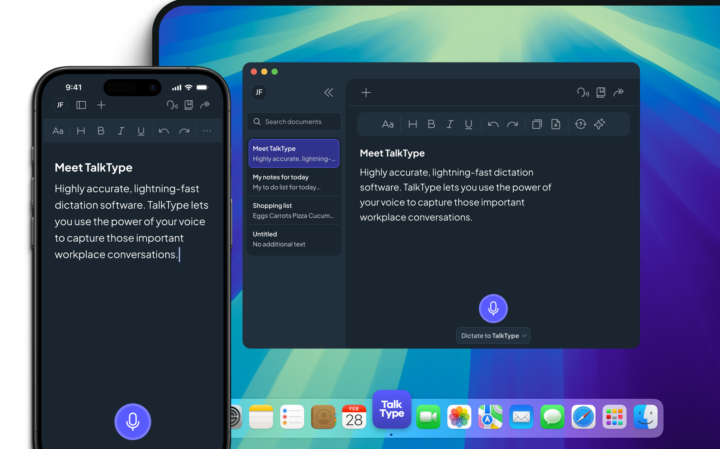
Find writing too tough or feel pushed for time? Consider using a dictation tool. This will allow you to get things out of your head and into note form without the stress.
When it comes to the assessment itself, it’s best to keep things clear and avoid statements that may cause confusion or doubt. If possible, try to avoid the following:
Playing it down: If your health is impacting you negatively, don’t say “It’s not that bad” or “I can manage” – try to be honest about how you feel. If your health issue isn’t something you’ve always lived with, this might even mean casting your mind back to before you became ill. How was life then? What could you do before that you can’t do now? Your assessment isn’t about putting on a brave face or proving a point. It’s there to ensure you can heal properly and avoid further illness or injury.
Overexaggerating: If you’re affected by your health condition at work but aren’t impacted all the time/by every task, try to avoid statements like “I can’t physically do anything” or “The pain is so severe that I can’t work”. This may prompt further questioning if the assessor has reason to believe otherwise.
Blaming the company: Try not to say “It’s all my boss’s fault” or “This company makes me ill”. While you might have unresolved conflicts with other staff or your boss, an occupational health assessment isn’t the time to discuss them. Try to focus purely on how your tasks and workload impact your health and make time for resolving interpersonal issues outside of your assessment. This might mean raising a grievance or chatting to HR.
Reject suggestions straight away: Resist saying “I don’t want that” or “I just know that won’t help”. Working with an occupational health assessor is about keeping an open mind and trying new things. Even if a suggestion seems small, dismissing it too quickly can close the door on finding a long-term solution that actually works.
Keen to communicate effectively during your occupational health assessment? Go for honest, balanced statements that describe both your limitations and your abilities. You can use these examples as a guide:
Direct impact phrases: Directly state how you’re affected by your responsibilities. For example:
“My health condition impacts (name task). This is because it requires me to (name action), which I can’t do due to my condition.”
Highlighting “can do” actions: If there are periods when you feel okay or don’t feel troubled by your health condition, let the advisor know. You might say:
“I can’t use this arm, but my other arm is unaffected” or “If I’m having a good morning, I can do some light admin”.
Positive questioning: Unsure about an adjustment or have concerns about how something might work? You might want to ask:
“How does that work in practice?” or “I feel anxious about trying X; do you have any suggestions?”
The more you can cooperate with the assessor and show willingness to try their suggestions, the more it will benefit you in the long run.
The best way to prepare for an occupational health assessment is by pre-planning simple statements about how your health is affected at work. Think about the kinds of tasks you struggle with or how your job differs now that you’re facing illness or injury. If you’re not currently on sick leave, you might find it helpful to keep a workplace symptom diary. This can help you to spot which tasks are particularly tricky. Need more advice? Be sure to check out our guide to occupational health assessments.
The main risk of saying the “wrong thing” is that you might not get the help you need. This can cause your performance to drop, which could lead to unfair treatment if things aren’t clear. Most occupational health assessors are understanding and open-minded, so it’s best to be honest and consistent. If you play down your symptoms or aren’t truthful, the assessor may not be able to recommend the right support, which could cause problems later.

Our small but mighty team builds leading-edge software that people love. We pride ourselves on a user-led approach to product design. The voice of the customer shapes what we create and that’s exactly how great assistive tech should be made.
Functional cognitive disorder (FCD) is a lesser-known condition that causes issues with forgetfulness and difficulty concentrating. In this post, we explore…

The government can provide extra financial support if you have a disability or health condition that significantly impacts your daily life.…

If your anxiety affects you on a daily basis, you may be wondering: “Is anxiety a disability?” In this blog, we…