



Your Guide to Personal Independence Payment (PIP) in the UK
The government can provide extra financial support if you have a disability or health condition that significantly impacts your daily life.…
Lots of women face challenges during the menopause. But when ADHD traits are thrown into the mix, symptoms may feel harder to handle. In this post, we take a closer look at the connection between ADHD and menopause. Find out what the latest research says and how to get support.

When it comes to the menopause, many women and those assigned female at birth (AFAB) can relate to brain fog and memory lapses, but it turns out that those with ADHD may experience these symptoms a little differently. And it’s all down to that powerful yet fluctuating hormone we call oestrogen.
What many don’t realise is that oestrogen influences the availability and activity of dopamine, a neurotransmitter already disrupted in people with ADHD. In ADHD, the brain needs higher, more stable levels of estrogen to maintain a functional level of dopamine. Without this, a person may struggle with intense brain fog, experience emotional dysregulation, and find it difficult to cope with day-to-day life.
When oestrogen levels fluctuate during perimenopause and then drop, dopamine function becomes less efficient, adding an extra level of difficulty to things that were already demanding. This can make managing ADHD in the workplace or tackling personal responsibilities particularly tough during this time, especially if someone is downplaying symptoms or masking to fit in.
Experts believe this may also explain why there is an increased risk for Premenstrual Dysphoric Disorder (PMDD) in women with ADHD.
Interestingly, a recent study from King’s College London found that ADHD doesn’t necessarily mean a woman will experience more severe physical menopause symptoms like hot flashes or night sweats. Instead, it’s suggested that the more intense ADHD traits a person has, the more these symptoms interfere with their daily quality of life and ability to function.
Across all women in the study, those with more prominent ADHD symptoms reported greater difficulties with sleep, memory, and emotional wellbeing during menopause. However, the researchers noticed a key difference in how these groups perceived their struggles.
Their research highlighted that women who have lived with a lifetime of “brain fog” or executive function challenges may not view these symptoms as a new menopausal problem. While a woman without ADHD might see a sudden memory lapse as a major concern, a woman with ADHD might just think, “Oh, that’s just my usual ADHD brain again”. This suggests that women with ADHD may be under-reporting or “normalising” the impact of menopause because they’ve become used to managing daily cognitive difficulties.
Interestingly, a recent study from King’s College London found that ADHD doesn’t necessarily mean a woman will experience more severe physical menopause symptoms like hot flashes or night sweats. Instead, it’s suggested that the more intense ADHD traits a person has, the more these symptoms interfere with their daily quality of life and ability to function.
Across all women in the study, those with more prominent ADHD symptoms reported greater difficulties with sleep, memory, and emotional wellbeing during menopause. However, the researchers noticed a key difference in how these groups perceived their struggles.
Their research highlighted that women who have lived with a lifetime of “brain fog” or executive function challenges may not view these symptoms as a new menopausal problem. While a woman without ADHD might see a sudden memory lapse as a major concern, a woman with ADHD might just think, “Oh, that’s just my usual ADHD brain again”. This suggests that women with ADHD may be under-reporting or “normalising” the impact of menopause because they’ve become used to managing daily cognitive difficulties.
There are roughly 2 million undiagnosed people with ADHD in the UK, and it’s not uncommon for someone to reach menopause without ever realising they have ADHD. Sometimes it’s only when someone seeks help for menopause that they notice their menopause treatment isn’t working or that their symptoms feel disproportionate to the typical menopause experience.
Some women may never connect the dots. This is partly because women can be unfamiliar with what’s deemed “normal” and partly due to symptom overlap. The truth is, healthcare professionals may not automatically think about ADHD when someone turns up with brain fog or concentration issues, since these are such common symptoms. So, if you’ve noticed a big change or feel that HRT isn’t for you, it may be worth mentioning ADHD to your GP or a specialist. They can assess your symptoms and ensure you get the right help.
As we mentioned earlier, there can be a lot of overlap when it comes to menopause and ADHD symptoms. Both can cause:
Issues with working memory: A person might walk into a room and forget why, lose track of conversations mid-flow, or struggle to hold multiple pieces of information in mind whilst completing tasks.
Difficulty processing information: This might include challenges with decision-making or particular difficulty multitasking/task switching.
Emotional dysregulation: Someone facing the menopause with ADHD may find their irritability increases, or they feel extra anxious, particularly around work performance.
Sleep disruption: A person may experience night sweats that interrupt rest alongside ADHD-related sleep difficulties that worsen fatigue.
Brain fog: Both the menopause and ADHD can create a feeling of “fogginess”. This not only makes it hard to concentrate but may also cause someone to feel spaced out or detached.
As you can see, symptoms often blur together, making it tough for someone with ADHD and menopause to know where their symptoms stem from. Even without a clear answer, taking steps to get support is still one of the most helpful things someone can do.
Struggling to cope with ADHD and menopause symptoms? Fortunately, when it comes to getting help, there are plenty of avenues to explore:
For women who do opt to take medication, a combined approach is often recommended. Research suggests that a slight increase in stimulant dosage may help some women with cognitive complaints caused by the drop in dopamine sensitivity during low-oestrogen phases when taken alongside HRT. HRT acts as a chemical foundation, stabilising oestrogen levels so that the brain’s dopamine receptors can actually respond to the ADHD medication. For the right medication pathway, it’s always best to consult with your GP or pharmacist.
Prioritising healthy lifestyle choices is key to reducing cognitive load from ADHD and menopause. During difficult phases, it’s best to simplify routines and cut back on external commitments – boundaries are vital when multitasking feels impossible, and your sensory threshold is low. The focus should be on nurturing the mind and body. This means eating a balanced diet, getting plenty of exercise, and concentrating on adequate sleep. Since night sweats can worsen ADHD-related insomnia, it’s important to keep bedrooms cool and establish consistent sleep times.
In the workplace, employers have a responsibility to provide reasonable adjustments for staff going through the menopause with ADHD.
Flexitime can be particularly valuable for women facing biological dips. If a staff member is more alert in the morning before brain fog sets in, they may find starting and finishing earlier helps to improve their productivity. Or, if sleep disruption is severe, they may benefit from a later start on difficult days.
Lighter workloads can also make things more manageable. This might involve redistributing urgent deadlines or allowing more time for complex tasks when concentration is especially poor. Due to peaks and troughs in concentration and mood, flexible deadlines and meeting-free periods can provide the breathing room needed to navigate ups and downs.
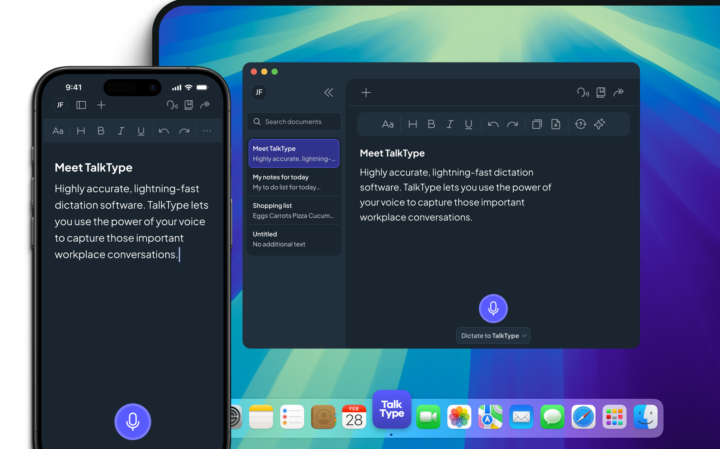
Assistive technology for ADHD can be a game-changer during menopause, especially when focus and memory feel a little less reliable. Staff might prefer dictation software to take the pressure off when writing feels slow or scattered, or screen readers for when reading feels overwhelming. These tools can provide some relief when working memory feels stretched.
If you feel as though ADHD and menopause symptoms are affecting your work or wellbeing, talk to your GP – you don’t have to suffer in silence. Your doctor may refer you to an NHS menopause clinic or recommend an ADHD specialist if you haven’t been assessed before. Many women find that once they understand what’s happening, they feel much more equipped to cope.
FAQs
HRT addresses hormonal changes and can improve brain fog related to oestrogen loss. However, it doesn’t treat ADHD itself. Some women may opt for both HRT and ADHD medication for comprehensive symptom management.
Perimenopause tends to last several years. ADHD symptoms may stabilise once hormones settle post-menopause, though this varies individually.
This is totally up to you. Disclosure allows you to request formal workplace adjustments, but you can also access support through occupational health without full disclosure to your manager.

Our small but mighty team builds leading-edge software that people love. We pride ourselves on a user-led approach to product design. The voice of the customer shapes what we create and that’s exactly how great assistive tech should be made.
The government can provide extra financial support if you have a disability or health condition that significantly impacts your daily life.…

If you’re struggling with ADHD symptoms as an adult, it’s only natural to wonder whether ADHD can get worse with age.…

If you suspect you might have dyslexia, undergoing a dyslexia assessment can help you to get the clarity you need. Not…