




Misophonia: Sound Triggers, Symptoms, and Support
Misophonia is more than just disliking certain sounds. For some individuals, the emotions brought on by it can be so extreme…
Recognising and supporting ADHD in the workplace has never been more important. Rates of adult diagnosis are rising, while encouraging the strengths and talents of people with ADHD can lead to greater innovation. In this guide, we’ll share how managers can support team members with ADHD while harnessing their talents and abilities in all work contexts.

ADHD is an acronym for Attention Deficit Hyperactivity Disorder. It’s a neurodevelopmental disorder that impairs the executive function of the brain. People with ADHD are born with differences in brain functioning that affect their behaviour. Typically, ADHD in the workplace shows up as problems with impulsivity, hyperactivity, lack of focus, organisation, and holding attention. Subtypes of ADHD include:
To receive a diagnosis, ADHD symptoms must have been present before the age of 12.
Neurodivergent individuals have many skills and talents that benefit modern workforces. Despite what some may assume, ADHD and work environments are compatible. Positive manifestations of ADHD in the workplace include creativity, problem-solving, adaptability, communication, research, and innovation. People with ADHD can also display high levels of energy, enthusiasm, passion, and optimism that can bode well in fast-paced work environments, moments of crisis, and any type of career that deals with people.
Some challenges of dealing with ADHD in the workplace include organisation skills, time management, and a lack of proper attention. Conversely, many people with ADHD excel when they’re able to ‘hyperfocus’ on a task. Hyperfocusing is where someone tunes out all external stimuli and gives all their attention to something. This process can yield exceptional results and lead to high-quality work while spotting opportunities others may miss. Studies back this up too since our report entitled The Ultimate Guide to Neurodiversity in the Workplace revealed that 80% of neurodivergence staff have skills in hyperfocus.
In fitting with these attributes, the following types of careers are often very suitable for people managing ADHD in the workplace:
As you’ll see from our list of jobs, there is no single job type for people with ADHD. The range and diversity of roles reflect the ADHD style of thinking and behaviour which has variations in individual people. Recognising the commonalities and similarities in these traits can lead to better and more appropriate management in the long term.
To highlight this point, we’ve clustered together some key points to consider:
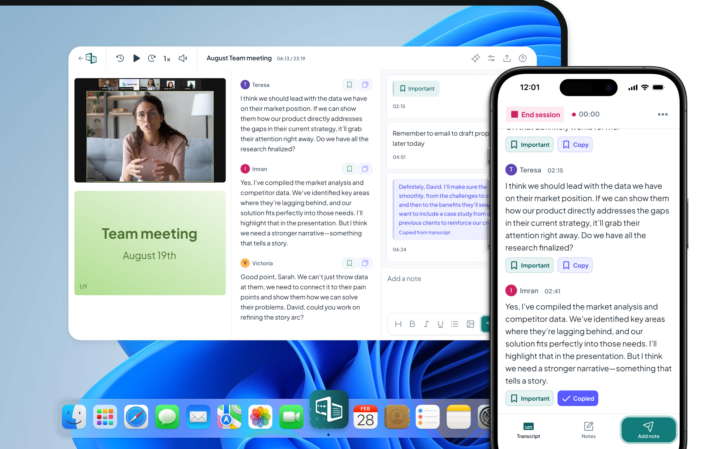
Another way to support people with ADHD and work environments that harness their abilities is through Reasonable Adjustments. For example, note-taking software that provides live transcripts of meetings can alleviate stress and ensure they don’t miss key details. Making Reasonable Adjustments for ADHD is compulsory under The Equality Act 2010. All employers must make Reasonable Adjustments to prevent people with disabilities from being at an unfair disadvantage at work.
Reasonable Adjustments for ADHD are general adjustments that may include, for instance, later start times or noise-cancelling headphones that reduce distractions. While these are general ADHD workplace adjustments, staff members with ADHD who need more customised support should consider applying for help through the Access to Work scheme. The scheme offers individuals with ADHD funding for supportive interventions like specialist equipment or assistive technology.
Being a team member or colleague to someone with ADHD can feel challenging but it’s easier to work through those challenges with a better awareness of their difficulties. Here are some key points that may help you manage these differences:
There are several steps you can take to support colleagues and team members in managing their ADHD in the workplace. Here are some tips to consider:
ADHD is a disability under The Equality Act 2010 when it has a substantial and long-term negative impact at work. People with ADHD in the workplace are protected under the act and have certain rights under UK law.
Stigmas still exist around neurodivergence, especially ADHD. Many people misunderstand ADHD and deem it an excuse for laziness, absent-mindedness, or procrastination.
Disclosing a diagnosis or suspected diagnosis to an employer comes with some bravery. Many employers aren’t ready to accept staff members with differences in thinking and expect that everyone should behave in the same way. While many employers may say they’re open to differences, they may not be ready to do so in practice. Anyone with ADHD should make a careful assessment of the environment they’re in before they disclose. It’s also worth remembering that employees are not obliged to reveal their diagnosis or even their suspected diagnosis to their employers.
However, choosing not to disclose or share your ADHD in the workplace means you’ll be less likely to get the support you need. So, it’s best to exercise caution and be confident of your decision if you choose to disclose your ADHD. Doing so could make a difference in how you perform at work.

Our small but mighty team builds leading-edge software that people love. We pride ourselves on a user-led approach to product design. The voice of the customer shapes what we create and that’s exactly how great assistive tech should be made.
Misophonia is more than just disliking certain sounds. For some individuals, the emotions brought on by it can be so extreme…

Dysgraphia is a lesser-known handwriting difficulty that’s often mixed up with conditions like dyslexia and developmental coordination disorder (DCD). So, how…

Many people with autism report finding it easier to focus on one task at a time, known as “monotropism”. While monotropism…