



What Is Absenteeism and How to Address It at Work
To recover from illness, time off work is crucial. But when staff are repeatedly absent or off for extended periods, it…
How we communicate in writing can have a far-reaching impact, affecting everything from the relationships we have with others to how productive our teams are. In this post, we explore the secrets of effective written communication, breaking down the famous ‘5 Cs’ and sharing practical tips you can use right away.

Simply put, written communication is using the written word to share information with others. If you work in an office-based role, it’s likely that you use written communication on a daily basis.
You might use it to:
The thing that many people find tricky about communicating in writing is that they can’t rely on cues like facial expressions or changes in vocal tone to add clarity to messaging. This makes written communication more likely to be misinterpreted.
It can also leave us vulnerable to scrutiny. Unlike everyday spoken conversations, what we write down becomes a retrievable record that can be revisited and analysed. This may cause anxiety for staff with dyslexia or writing difficulties who may be more prone to mistakes due to language processing differences.
Effective written communication is a vital skill in the workplace. It directly shapes relations between team members, impacts how easy it is for staff to do their jobs, and deeply affects the influence we have on others.
If you’re a manager or team lead, your written communications aren’t just there to tell staff what to do. They’re there to lift up your team, inspire progress, and support growth through constructive feedback. If your written communications lack thoughtfulness or don’t motivate staff to do well, you could be unknowingly affecting team morale and productivity.
We now live in an age where remote and flexible working have become the norm. This means that a greater amount of time is spent communicating virtually, leaving more room for misinterpretation. One survey conducted by Grammarly showed that knowledge workers experience miscommunications on a weekly basis, if not more. These miscommunications can result in unnecessary time-wasting and even lead to disputes.
If all teams were equipped with vital skills in written communication and encouraged to take extra time to reflect before hitting send, just imagine how many of these situations could be avoided.
Want to become a better written communicator? Develop your written communication skills by trying the following tips:
Pay attention to well-written communications: Consider what it is that makes them well written. Are there certain elements that make them successful? Jot down anything you notice that might be useful for your own communications.
Practise every day: Picked up some new writing tips? Try them out whenever you’re communicating in writing. You might want to test out a new email sign-off, have a go at delivering constructive feedback, or try adding more detail to team briefs.
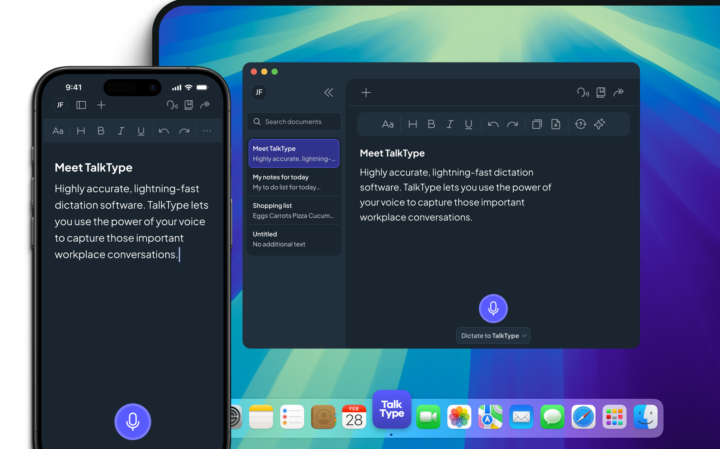
Find communication methods that work for you: Just because you want to focus on strengthening your written communication doesn’t mean there’s only one way to do so. If you find it easier to come up with ideas by saying them out loud, why not try dictation software? That way, you can get down all the important points first and tidy them up later.
Try not to over-rely on AI: If you find written communication a challenge, it might be tempting to rely on AI chatbots to do all your writing for you, but try to find a balance. Most people are much more capable than they realise. The more you focus on progressing and commit to coming up with your own ideas, the more you’ll grow as a communicator.
Ask for help: Finally, don’t be afraid to ask for help from others. It’s okay to admit that written communication ‘isn’t your strong point’. People will respect you more if you show that you’re open and willing to progress.
Did you know? Staff with dyslexia may have distinct hidden talents… A recent study from Cambridge University suggests dyslexia could be linked to strengths in creative thinking and problem-solving, offering an evolutionary advantage rather than simply being a learning difficulty.
Not heard of the 5 Cs before? Consider each of these elements for clear and effective written communication:
While it’s easy to view routine emails, briefs, and reports as box-ticking exercises, a little extra thought and care can make all the difference to productivity. Here are some written communication examples that illustrate this:
Hi Team,
I hope everyone’s having a great week.
I just wanted to check in with you all and let you know how delighted I am with the progress we’ve made on xxx project. The client reached out to me directly this morning and told me how thrilled they were with our initial project plans. This is fantastic feedback. I’d love for us to keep the same momentum going in phase 2. If you need any extra resources or support from me, just give me a shout. You’re all smashing it, and I can’t wait to see what the next phase brings!
Catch you all on Friday,
Tim
How it supports productivity: This email is all about recognition and motivation. By sharing positive client feedback, it naturally encourages continued high performance, while the friendly tone and open offer of support create psychological safety. This makes team members more likely to communicate when they need help.
Project Timeline Update – (Project Name)
Dear Ms. Johnson,
I’m writing to inform you of a necessary adjustment to our project timeline for the website redesign project.
Due to additional requirements that emerged during the discovery phase (specifically the integration with your new CRM system), we need to extend our delivery date by two weeks to the 15th of March. This extension will ensure we deliver the high-quality solution that meets all your specifications.
Here’s our updated timeline:
We understand this may impact your marketing launch plans, and we’re committed to working with you to minimise any disruption. I’d welcome the opportunity to discuss this further and explore any ways we can support your broader timeline.
Please let me know if you’d like to schedule a call this week to discuss.
Best regards,
R.Smith
Project Manager
When facing a delay or difficulty, it’s always best to be upfront and proactive with communication. This helps to maintain trust and prevents last-minute surprises that could derail both parties’ planning. By explaining the reasoning, providing specific new dates, and offering to discuss solutions, this approach transforms a potentially negative situation into an opportunity to demonstrate professionalism and client focus.
Why not have a go yourself? Try one or two of these tips the next time you go to write something at work and see what happens. You might just be surprised at the difference it makes…

Our small but mighty team builds leading-edge software that people love. We pride ourselves on a user-led approach to product design. The voice of the customer shapes what we create and that’s exactly how great assistive tech should be made.
To recover from illness, time off work is crucial. But when staff are repeatedly absent or off for extended periods, it…

According to research, presenteeism leads to longer recovery times, lower productivity, and even “contagious presenteeism” where illness spreads to other employees.…

Ready to knuckle down and revise? We’ve compiled some of the best places to study according to students. In this guide,…