

Understanding ADHD in Men: Symptoms, Differences, and Support
There’s a lot of confusion when it comes to understanding ADHD in men. In this helpful guide, we explore different types…
Is your organisation drifting apart due to poor communication and differing priorities? Effective town hall meetings help to prevent this by bringing all staff together to reconnect, realign, and move forward together. Find out what they entail and how to make yours a success.

Not to be confused with local government or community meetings, a town hall meeting in a workplace is a regular all-staff meeting where employees discuss company updates, goals, priorities, housekeeping topics, and more. These meetings usually take place on a monthly or quarterly basis.
It depends on the organisation. Many companies recognise all-hands meetings and town hall meetings as the same thing: an opportunity to get the whole company together and discuss important topics. However, in some businesses, all-hands meetings are regarded as more passive (where employees listen to information being presented by senior management), while town hall meetings are seen as open discussions that everyone can be involved in.
There are many reasons to host regular town hall meetings. Whether you have lots of staff working from home, are going through a period of expansion, or are introducing new strategies, tools, or ways of working, regular company-wide meetings help to:
Strengthen culture: A strong company culture unites staff and builds trust in the business. It should be easily identifiable and shaped by everyone in the organisation. The more meetings that take place, the more shared understanding and solidarity there is. These are fundamental to shaping the culture and keeping it alive.
Address staff issues: Q&As are often a key part of company town hall meetings. These allow staff to clarify things they’re not sure about, voice any issues or concerns, and find solutions that work for everyone. Doing this promotes a culture of transparency and shows that all opinions are heard and valued.
Align priorities and company goals: Keeping everyone on the same page can be tricky, especially in larger organisations. A town hall is an opportunity to share priorities, set and solidify goals, and ensure everyone is in alignment, even when working on different projects.
Keep staff ‘in the know’: Rather than sharing news or big announcements by email, where they can be missed or ignored, doing it in person allows staff to properly absorb the information and discuss the potential impact. This is particularly beneficial when something positive is shared since being in a room together creates a sense of excitement and celebration. This can boost morale and productivity.
Proper preparation is key to running an effective town hall meeting. Here are five essential steps to take before bringing everyone together:
Check in with other managers and heads of department: Start by reaching out to team leaders across the organisation to gather input on what needs to be announced or discussed. This might include upcoming project updates, policy changes, staff achievements, or departmental wins that deserve recognition. Getting everyone’s input early ensures nothing important gets overlooked.
Pick the right location and format: Consider the nature of your discussions and what works best for staff. Will you be sharing sensitive information that requires a more intimate setting or celebrating company successes that call for a larger, more energetic space? Don’t forget to think about accessibility, too. Getting that many people together at a time when everyone’s free can be challenging. Could the meeting work as a hybrid event, with some attending in person and others joining virtually? This flexibility can boost attendance and ensure no one misses out.
Create a structured agenda: Draft a clear outline of what you’ll cover, including time allocations for each topic. A well-organised agenda keeps the meeting focused and ensures you address all important points without running over. Share this with attendees beforehand so they know exactly what to expect and can prepare any questions or contributions.
Assign a minute taker: Designate someone to capture key points, decisions, and action items during the meeting. This ensures important information doesn’t get lost and provides a useful reference for those who can’t attend. The meeting minutes can also be shared afterwards to reinforce key messages and next steps.
Send out invites as early as possible: Give people plenty of notice to block out their calendars. Include the agenda, location details (or joining instructions for video calls), and any materials they should review beforehand. Early communication shows respect for everyone’s time and helps to maximise attendance.
Let’s face it, not many people enjoy sitting in long meetings when they feel overwhelmed with info or are given no opportunity to ask questions. To keep your town hall engaging and inclusive, consider the following:
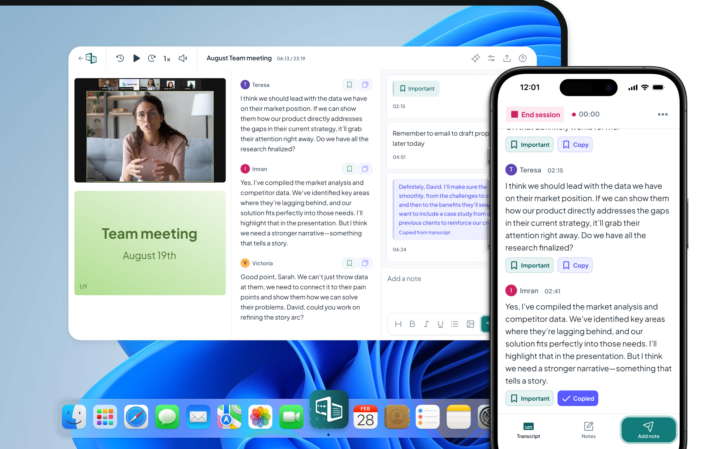
Assistive tech: If you’re assigning a minute taker or encouraging staff to take notes, consider introducing note-taking software. Caption.Ed is a fantastic option since it provides highly accurate captions, generated in real time. This allows note-takers to fully immerse themselves in the meeting without worrying about missing points – something that can be particularly difficult for staff with neurodivergence.
Icebreakers: The feedback shared by employees during town halls is invaluable. However, not all staff will feel comfortable opening up right away. To help people relax and support bonding between teams, include a few playful icebreakers. You could start with an office-themed riddle or run a brief quiz about company trivia. This will not only help to calm any nerves but also add some lightness; this is vital if you’re planning to speak about lots of serious topics.
Timekeeping: Timekeeping isn’t just about preventing the meeting from running over. It’s also about being mindful of giving staff a chance to speak. To make your meeting inclusive, give all contributors a quick heads-up about how long they have. This will ensure everyone who wants to say something gets a chance to contribute without anyone monopolising the discussion or rushing through important points at the end.
Minimal text for presentations: When including presentations, try to keep text to a minimum. Too much writing can be overwhelming and make it much more likely that staff will switch off. A few basic points are all that’s needed. Longer, more comprehensive documents can be sent around afterwards.
Varied feedback methods: Invite staff to give feedback or ask questions in a way that suits them best. Some staff may feel anxious about speaking in front of a large group, so instead of forcing them to speak during the meeting, give them the option to discreetly submit their feedback via a form or email. This way, you’ll cater to different people’s preferences and be able to address sensitive topics that may not be brought up in a group setting.
The meaning of the term ‘town hall meeting’ is derived from the centuries‑old practice of gathering the community in a town’s central meeting place to talk things through face‑to‑face. In the last 50-60 years, it’s been adopted in corporate settings as a way for leadership to communicate directly with all employees.
Question topics are often varied but usually focus on things like projects, company updates, team support, career development, and strategic direction. It’s best to avoid anything too sensitive, like pay, bonuses, or individual performance issues. If you’re leading the meeting and answering these questions, be mindful of maintaining transparency while being diplomatic about confidential matters.
Town hall meetings are usually led by senior staff such as CEOs, department heads, or senior managers who can speak authoritatively about company strategy and direction.
Town halls can include everything from company performance updates and financial results to new policy announcements, recognition of team achievements, and guest speakers from different departments sharing their work. Some companies also use town halls to introduce new hires, celebrate milestones, or discuss industry developments that impact the organisation.

Our small but mighty team builds leading-edge software that people love. We pride ourselves on a user-led approach to product design. The voice of the customer shapes what we create and that’s exactly how great assistive tech should be made.
There’s a lot of confusion when it comes to understanding ADHD in men. In this helpful guide, we explore different types…

The government can provide extra financial support if you have a disability or health condition that significantly impacts your daily life.…

If you’re struggling with ADHD symptoms as an adult, it’s only natural to wonder whether ADHD can get worse with age.…