



What Is Victimisation at Work and What Are Your Rights?
Whether you’re an employer or employee, learning about victimisation in the workplace helps you to recognise and respond to victimising behaviour…
Prioritising Diversity Equity and Inclusion (DEI) at work is a powerful way to boost morale, increase creativity, and improve your bottom line. Being strategic about how you tackle diversity equity and inclusion in the workplace can also lead to improved participation, wellbeing, and productivity. To explain more, let’s look at the importance of diversity in the workplace and the benefits of using a proactive approach.

Diversity, Equity, and Inclusion is a conceptual framework used to help organisations treat their staff in fair, respectful, and equitable ways. Making efforts to improve diversity equity and inclusion in the workplace can reduce discrimination and result in staff feeling more valued for what they do and more motivated to perform.
Many factors prevent staff from bringing the best version of themselves to work. These can include stigma, discrimination, and prejudice. But it’s also well-known that unconscious bias, lack of role models, and lack of training can impede staff morale, performance, and retention.
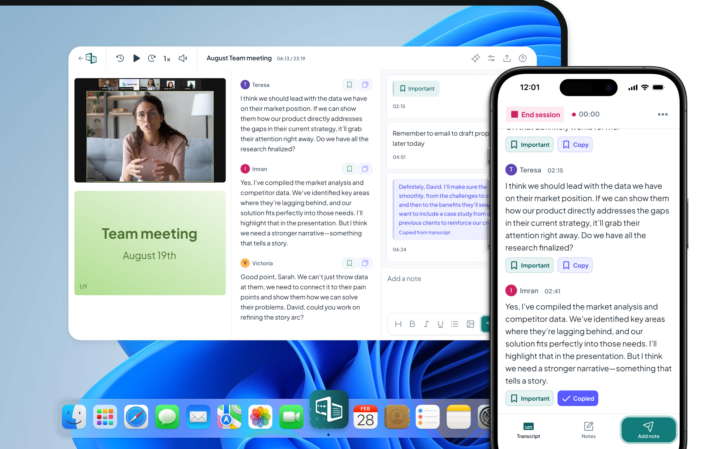
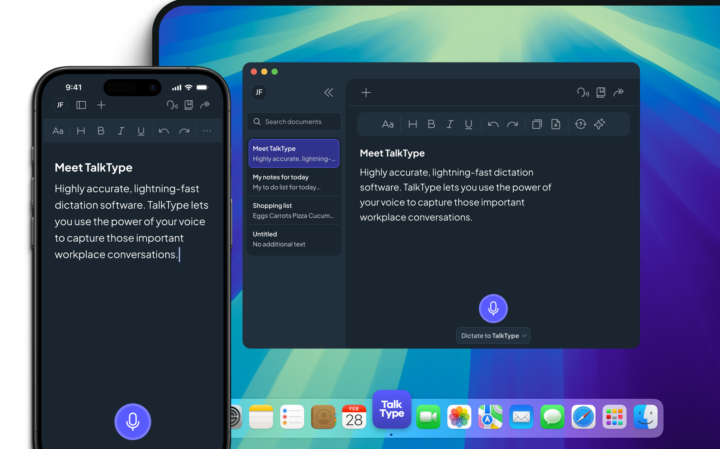
Neurodivergent staff in particular need their employers to make Reasonable Adjustments to accommodate their needs. But they also need a stigma-free, inclusive culture that provides appropriate interventions matched to their individual differences. Examples of interventions might include dictation software for people with dyspraxia, noise-reduction headphones for people with ADHD, or giving people with dyslexia captioning and note-taking tools during Zoom or Teams calls.
Some organisations replace the word ‘Equity’ with ‘Equality’ when they refer to DEI. While this doesn’t change the general idea of the term, there are differences in meaning. Usually, equity refers to giving individuals tools or support that meet their specific needs.
Equality means giving everyone access to the same opportunities. More broadly, equality reflects a sense of fairness and equal opportunity. In the case of creating proper workplace opportunities, equity is a more appropriate term and we’ll explain why in the breakdown below:
Diversity is an awareness that each employee is unique and that what makes us different can be our strength at work. For instance, studies show that gender-diverse leadership teams can expect a 25% increased chance of higher profits.
Equity recognises the unique skills and talents of each individual and finds the most appropriate ways to support them. It strives to remove barriers to access for individuals and allow them to bring their full strengths to work.
Inclusion promotes acceptance, recognition, and belonging. An inclusive culture has a sense of community, where each employee feels able to take part in all activities and to make an impact.
Diversity equity and inclusion are three sides of the same coin. Delivering on each element is vital to unlocking the capabilities and motivation of staff. And recognising the importance of diversity in the workplace is a strong first step towards realising any DEI initiative.
For instance, focusing on diversity can give you access to a much wider choice of talent. And it can lead to an increase in women, BAME, neurodivergent, and LGBTQ+ staff making it into senior leadership positions. When given this opportunity, diverse individuals can bring fresh perspectives, new ideas, and novel approaches. According to a report by McKinsey, companies with greater racial and ethnic diversity in the top quartile also have an over 35% chance of achieving financial outperformance.
But without a focus on equity, any attempts to promote diversity could result in a workforce that represents many walks of life but doesn’t take any steps to unlock or make use of their diverse viewpoints, experiences, and unique approaches. It’s also worth noting that a lack of inclusion can lead to low engagement and little sense of belonging or motivation at work. In this sense, it’s important to use diversity as a starting point but give equal attention to all three elements.
We’ve already touched on why diversity is so important in the workplace. But there are plenty of stats to back this up too.
Promoting diversity equity and inclusion isn’t easy. In the US, a survey on the effectiveness of Diversity Equity and Inclusion programmes showed over 60% of respondents didn’t believe they were effective. And almost half said their organisation’s DEI approach had failed them as an individual.
DEI policies might fail to have the desired impact for many reasons. These could include low levels of awareness, a lack of understanding differences, few real-life experiences, or a lack of training. These issues are also common barriers for neurodivergent staff and when stigmas, judgements, or lack of support exists, neurodivergent staff can feel misunderstood, unimportant, and invisible. This can lead to high staff turnover, damaged reputations, and sometimes expensive legal cases. This is something to be mindful of since reports show neurodiversity discrimination tribunals rose by a third between 2020 and 2021.
Achieving a good or excellent level of diversity equity and inclusion in the workplace relies on a firm commitment to each area of diversity. Many companies do take a proactive approach to this in the form of Employee Resource Groups (ERGs), mentorship programmes, and formal training. For these strategies to work, companies must make a long-term commitment that goes beyond the idea or implementation phase. It must become a regular practice instead.
The way society interacts with itself also has a huge influence on our approach to work. Many of us spend our time with other people who are like us. And while this type of bias is a natural inclination, it can result in closed views and prejudice. We can’t change society overnight, But we can encourage companies to make a firm commitment to continuous training, exposure, and knowledge-sharing. Doing so will lead to more diverse hiring practices and better outcomes for all.

Our small but mighty team builds leading-edge software that people love. We pride ourselves on a user-led approach to product design. The voice of the customer shapes what we create and that’s exactly how great assistive tech should be made.
Whether you’re an employer or employee, learning about victimisation in the workplace helps you to recognise and respond to victimising behaviour…

Ever find yourself replaying thoughts over and over again in your mind? Perhaps you wish you could just scream “STOP” and…

National Wellness Month is a great opportunity for organisations to prioritise staff wellbeing. But celebrating it doesn’t mean the same “wellness”…