



Misophonia: Sound Triggers, Symptoms, and Support
Misophonia is more than just disliking certain sounds. For some individuals, the emotions brought on by it can be so extreme…
Employee Resource Groups (ERG) are staff groups that work to increase Diversity, Equity, and Inclusion (DEI) within an organisation. ERGs are effective in driving higher rates of engagement and productivity for a particular stand of diversity like neurodivergence. To find out more, let’s take a closer look at what an ERG is and how you could set one up.
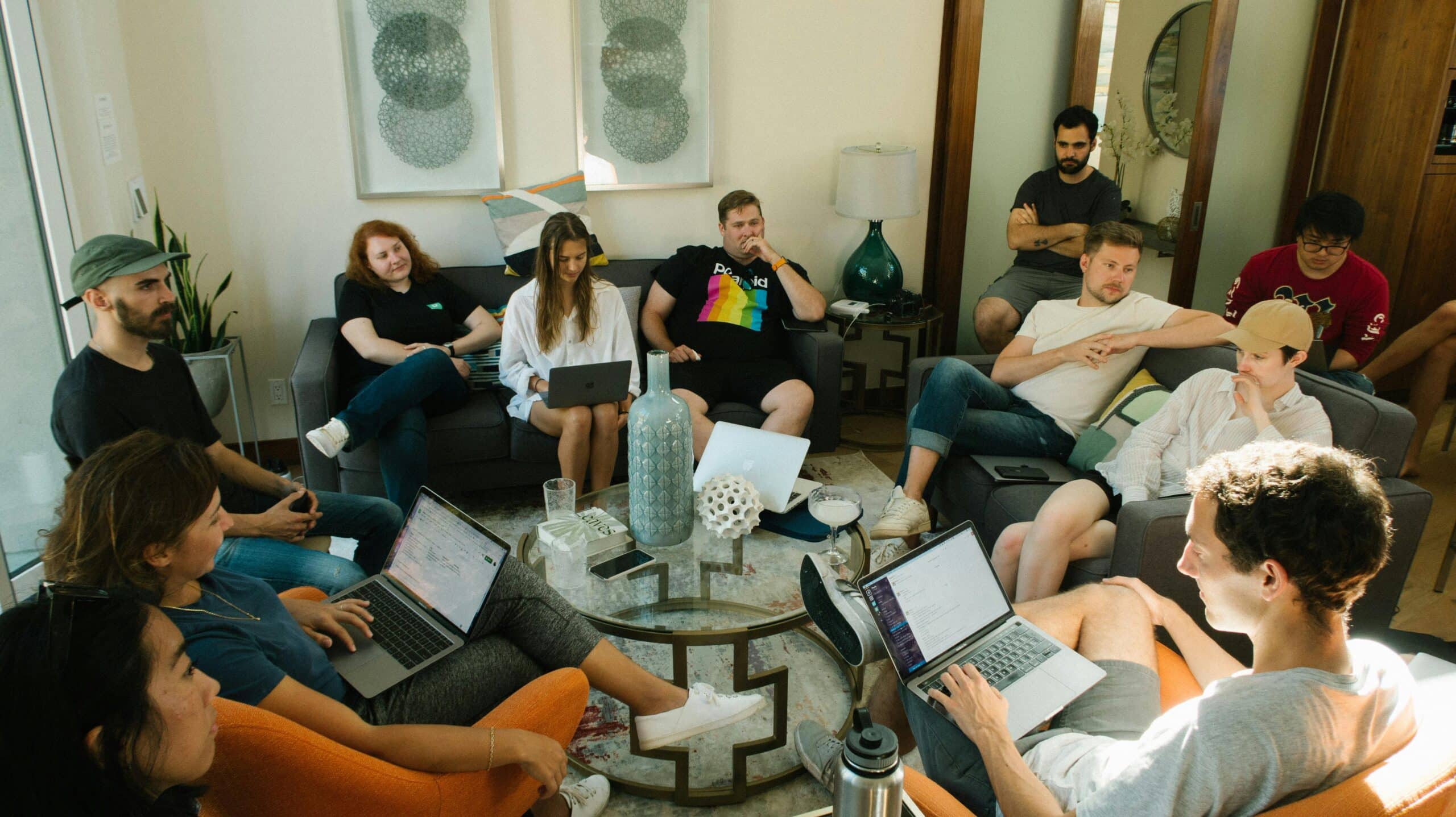
ERG refers to a group of employees with a common interest who want to have a stronger voice in an organisation. Xerox CEO Joseph Wilson created the first ERG in 1970 to help African American employees advocate for change. Today, in the US, 90% of Fortune 500 companies run ERGs. So what does ERG stand for? It’s an acronym for Employee Resource Group and it describes an employee-led network of individuals focused on improving diversity and inclusion.
To give ERG meaning we could say it’s a collection of volunteer staff members looking to effect change for a specific strand of diversity. For instance, Employee Resource Groups formed to raise awareness and inclusion of neurodivergence could include neurodivergent people but also those affected by it. So, some people may not be neurodivergent but could have some experience through a close friend or family member.
Encouraging staff to set up their own Employee Resource Groups is important for many reasons. Companies that promote this type of activity could expect to benefit in several different ways:
Employee Resource Groups are employee-led networks that promote diversity and inclusion and lead to improvements for staff, organisations, and customers. So let’s take a look at some evidence of how ERGs can lead to improved rates of workplace inclusion:
According to CIPD, 63% of organisations that prioritised neurodiversity observed a positive impact on employee wellbeing. 60% also said employees became more comfortable talking about neurodiversity.
A report by Deloitte showed employees who felt included and valued were 8 times more likely to achieve better business outcomes. ERGs offer a key way to drive inclusion and spearhead change.
ERGs that focus on boosting inclusion for neurodivergent staff can also apply their knowledge and insights to customers. This can build acceptance and understanding of neurodivergent issues across the organisation.
German company SAP saw a 90% retention rate for employees on the autistic spectrum after setting up and running their Autism at Work ERG.
Studies also show that staff are 50% less likely to leave a workplace that makes tailored adjustments to their needs. ERGs can identify these needs and advocate for appropriate adjustments.
Employee Resource Groups are often staff-led meaning employees must volunteer their time to join, including leading groups. Such opportunities can nurture future leaders and develop talent.
An ERG should be employee-led and employers should be open to facilitating this type of activity to boost rates of inclusion. So, whether it’s encouraged by employers or instigated by their employees, there are steps you can take to set up and start an Employee Resouce Group:
From Spotify to Microsoft, companies of all shapes and sizes have set up successful ERGs. Here we’ll share three stand-out examples of neurodiverse or neuroinclusive Employee Resouce Groups. So take a look through to understand the positive impact ERGs can have on companies.
SAP is a Germany-based leader in enterprise applications and AI for business. For over 10 years they’ve pioneered neurodiversity inclusion from their Autism at Work ERG. The work of the ERG has led to a more inclusive workplace for neurodivergent staff.
As a company, SAP continues to embrace the skills and talents of neurodiverse staff at the company while also running a new Autism Inclusion Network to continue to feed innovations in this area.
French video game publishers Ubisoft create and distribute games like Assassin’s Creed and Rayman. And they’ve embraced neurodiversity at Ubisoft through a dedicated ERG formed in 2020. Pierre Escaich formed the group and has a personal connection since his children all have a diagnosed neurodivergence.
The neurodiversity ERG became possible thanks to the support of the DEI department at Ubisoft. In effect, they opened the door for Pierre to form the first neurodivergent ERG which has since evolved into a department in its own right, led by Pierre.

“A typical misconception is that someone who is neurodivergent, with dyslexia, for example, isn’t making enough effort to write emails and presentations without misspellings. However, the reality is the opposite – someone who is dyslexic will put in extra effort to read and write, so saying otherwise is not good feedback. Instead, managers should say “I can see it’s not easy for you. Can we talk about it?”
Pierre Escaich
Neurodiversity Talent Program Director, Ubisoft

Our small but mighty team builds leading-edge software that people love. We pride ourselves on a user-led approach to product design. The voice of the customer shapes what we create and that’s exactly how great assistive tech should be made.
Misophonia is more than just disliking certain sounds. For some individuals, the emotions brought on by it can be so extreme…

Dysgraphia is a lesser-known handwriting difficulty that’s often mixed up with conditions like dyslexia and developmental coordination disorder (DCD). So, how…

Employees and students are protected from direct discrimination under the Equality Act 2010. In this helpful guide, we’ll walk you through…