



Misophonia: Sound Triggers, Symptoms, and Support
Misophonia is more than just disliking certain sounds. For some individuals, the emotions brought on by it can be so extreme…
Assistive Technology for Autism includes a variety of tools and equipment that help people with ASD live fuller lives. People with Autism Spectrum Disorder can struggle with social, behavioural, and communication skills. But with the help of these technologies, they can manage their difficulties, enhance their abilities, and bring their talents to the fore. We explore more in this post.
According to the British Medical Association, around 700,000 people in the UK have an autism diagnosis. Also referred to as Autism Spectrum Disorder (ASD), symptoms exist on a spectrum ranging from mild to severe. No two people experience the same symptoms but there are some common difficulties:
Let’s review the key benefits of Assistive Technology for Autism and how it helps individuals to overcome their challenges.
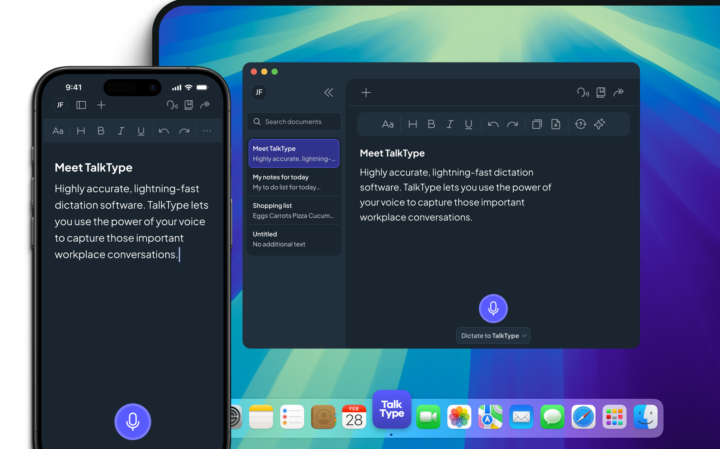
Many people with autism struggle to engage and converse in social situations. Misreading social cues or not responding when spoken to can lead to misunderstandings, judgements, and social isolation. Assistive Tech can help individuals to overcome these challenges through an alternative means of expression. Tools such as dictation and text-to-speech software can offer a medium for people with autism to express themselves more fluently.
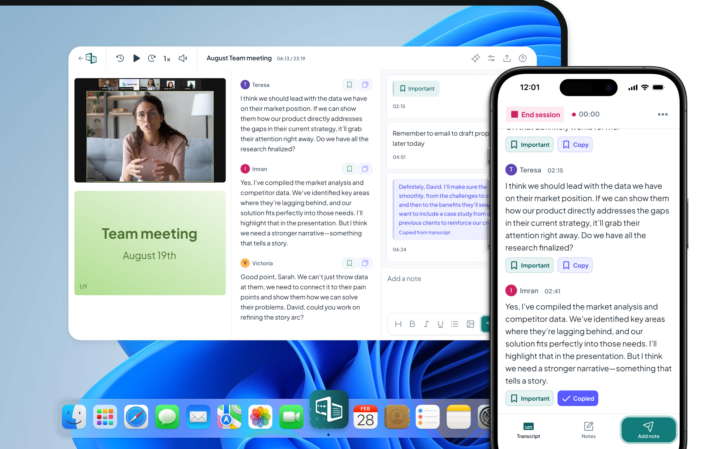
A wide range of Assistive Technology for Autism tools can support better independence and a sense of control. For instance, adding captions to live Facetime calls can help to reduce anxiety in people with ASD. And, of sound levels are too much for the senses, they offer a more controlled means of communication. Autistic burnout can affect over three-quarters of people with autism. So, it’s vital for people that people with ASD to feel a sense of control over their environments and limit their exposure to too much stimulation.
Other types of Assistive Technology for Autism can work as training and education tools. For instance, video modeling helps people with autism improve social interaction and self-management skills. Collaboration and building relationships are important for success in life. Video modeling helps people with ASD build these skills through understanding body language, spoken word subtleties, sarcasm, and other non-verbal cues.
Staff with autism can achieve a third better productivity than their neurotypical peers, when supported. Plenty of appropriate types of Assistive Technology for Autism can bring out the strengths of people with ASD. And this is important to do if workplaces want to take advantage of their creativity, computational thinking, and unique ways of thinking.
Let’s run through some of the key types of Assistive Technology for Autism that can help individuals to thrive and bring their talents to their working and educational lives.
Augmentative and Alternative Communication (AAC) is the term used to describe Assistive Technology for Autism that supports communication. Some people with autism can be non-verbal, for example, and depend on technology to communicate in most situations.
Key modes of communication through Assistive Tech include:
Sensory overwhelm is a common experience for people with ASD. Senses may be stimulates by noises, lights, tastes, textures, or crowded and busy places. Different forms of Assistive Technology for Autism can help to mitigate these impacts and reduce expsosure.
Both staff and students who live with autism can get financial assistance to support them with appropriate forms of Assistive Tech. The UK government offers two funding pots, one for students and another for staff and employees. Each one can support them obtaining the most appropriate types of Assistive Technology for Autism:
Let’s run through a quick list of tech tools that can help students with ASD achieve their potential at University or college.
Assistive Technology for Autism helps people in workplace settings in many ways. Here are some key examples of how it improves communication, learning, and sensory integration:

Our small but mighty team builds leading-edge software that people love. We pride ourselves on a user-led approach to product design. The voice of the customer shapes what we create and that’s exactly how great assistive tech should be made.
Misophonia is more than just disliking certain sounds. For some individuals, the emotions brought on by it can be so extreme…

Dysgraphia is a lesser-known handwriting difficulty that’s often mixed up with conditions like dyslexia and developmental coordination disorder (DCD). So, how…

There’s a lot of confusion when it comes to understanding ADHD in men. In this helpful guide, we explore different types…