



Dysgraphia in Adults: Signs, Challenges, and Support
Dysgraphia is a lesser-known handwriting difficulty that’s often mixed up with conditions like dyslexia and developmental coordination disorder (DCD). So, how…
Autistic meltdowns happen when people with autism experience intense reactions and struggle to manage their feelings in a healthy way. To understand more about autistic meltdowns and how they impact people with autism, let’s get into some details in this article.

Symptoms of an autistic meltdown can include shouting, crying, biting, screaming, or physical movements like foot-stomping or rocking. Meltdowns can be upsetting for those who experience them and for the people around them.
An autistic meltdown is an extreme behavioural reaction that people with autism experience when they feel overstimulated, anxious, distressed, or overwhelmed. When faced with too much sensory input, large crowds, or emotional situations they feel unable to cope with, sufferers can feel intense reactions from their Central Nervous System. By triggering a fight response in their nervous systems, autistic meltdowns can manifest as extreme physical and verbal reactions that may mimic emotional outbursts.
Research suggests people with severe autism or Level 3 autism are more prone to autistic meltdowns. And this is no surprise when our modern world is full of sensory stimulations including noise from mobile phones, flashing LED lights, large crowds, smells, tastes, or emotional situations that can all be too overstimulating.
The common triggers for having autistic meltdown tend to be:
Autistic meltdowns aren’t something people can control. While it can be tough for those around them to witness a meltdown, they should avoid judgement or condemnation. Instead, being supportive, showing understanding, and giving time to manage symptoms are some of the best strategies that can help people with autism cope when having a meltdown.
Symptoms of an autistic meltdown can vary between different people. For instance, older people can learn coping strategies while those with more severe autism may find it more difficult to handle their feelings.
In general, common effects of an autistic meltdown include shouting or making loud noises, crying, rocking, and stomping feet. People with autism can react this way when they feel unable to express themselves or unable to mask their differences.
Some warning signs that someone is about to have a meltdown can include pacing, feeling anxious, and repetitive questioning. Each of these can lead to a sense of emotional or sensory overwhelm that will cause the unusual expressions of a meltdown.
It’s also worth noting that an autistic shutdown is another effect of overwhelm. The reaction to this is the opposite of a meltdown where individuals mask their reactions or feel they have no energy at all.
Autistic meltdowns have an impact on both children and adults. But children can react in ways that may be different from adults. Some of those can include:
Autistic meltdowns are not the same as temper tantrums. In children, tantrums tend to happen when children don’t get what they want and feel anger as a response. While children who have autistic meltdowns may show symptoms of anger like clenched fists or teeth grinding, they are not the same as temper tantrums.
Some children may get to a point where they feel too overwhelmed to vocalise their problems. Certain things can trigger or set off meltdowns and may include:
Adults may experience the same symptoms as described in children. But they’re likely to be more pronounced or extreme. They can include:
Overwhelming situations such as excessive stress, toxic working environments, changes in routine, chronic pain or illness, and medications can also trigger autistic meltdowns in adults.
For some people, having an autistic meltdown can feel physically painful and psychologically distressing. A meltdown may make someone feel unable to escape themselves or find relief from their symptoms. It can lead sufferers to experience unclear thinking and lose the ability to reason in the usual way.
“For me, a meltdown feels like my body is trying to escape the chaos inside my mind. I fidget, cry and shout to distract myself from louder internal noises.“
Research also shows people with autism can feel like they can’t control themselves. Many describe the meltdown as a form of release or of letting go of intense and extreme emotions. A meltdown can also take people out of themselves, where they feel like it wasn’t them. And these feelings can lead to a sense of lacking control. This loss of control can also make sufferers feel they want to hide themselves away.
It’s important not to judge or condemn someone with autism who experiences a meltdown. What they need most is to feel supported and understood and given the space to deal with a meltdown in an appropriate way.
Key actions you can take to support someone having an autistic meltdown include:
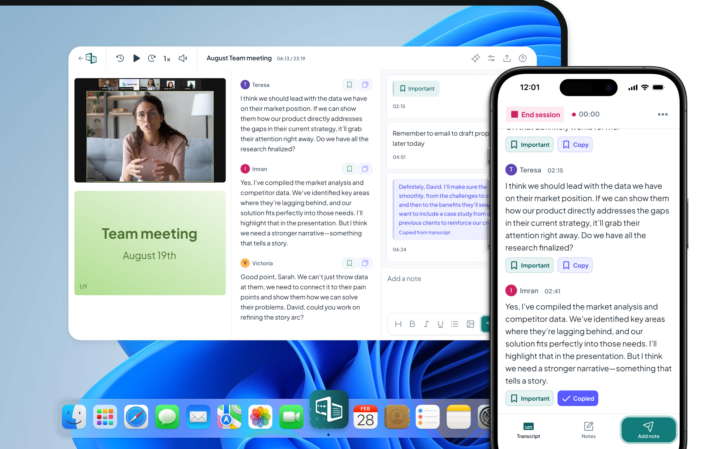
Clear communication and information access can help reduce overload that leads to meltdowns. Using captioning tools in meetings or classes provides visual transcripts of speech, so an autistic individual can process information at their own pace and refer back to it – potentially easing anxiety in high-pressure moments.
An autistic meltdown can mimic other experiences, like temper tantrums in children. In adults, they may mirror traits similar to panic attacks. But it’s important to note that the key difference is in the triggers.
External stimuli can trigger overwhelming or intense experiences that can lead to autistic meltdowns. In contrast, panic attack triggers come from inside someone, like anxiety or specific thoughts or memories. They also won’t usually last as long as an autistic meltdown which can go on for at least 20 minutes.
An autistic meltdown is an overt, outward display of intense feelings while an autistic shutdown is more discreet and is where the body appears to ‘shutdown’. People who have a shutdown may become quiet and withdrawn whereas an autistic meltdown is usually obvious. We could also say that where an autistic meltdown can trigger the ‘fight’ response from the Central Nervous System, an autistic shutdown can trigger a ‘freeze’ response.

Our small but mighty team builds leading-edge software that people love. We pride ourselves on a user-led approach to product design. The voice of the customer shapes what we create and that’s exactly how great assistive tech should be made.
Dysgraphia is a lesser-known handwriting difficulty that’s often mixed up with conditions like dyslexia and developmental coordination disorder (DCD). So, how…

Many people with autism report finding it easier to focus on one task at a time, known as “monotropism”. While monotropism…

There’s a lot of confusion when it comes to understanding ADHD in men. In this helpful guide, we explore different types…