




Misophonia: Sound Triggers, Symptoms, and Support
Misophonia is more than just disliking certain sounds. For some individuals, the emotions brought on by it can be so extreme…
Ever wondered whether there’s a link between ADHD and dyslexia? Maybe you’re experiencing overlapping symptoms and aren’t sure how to tell them apart. To make things clearer, we’ll be walking you through the ins and outs of the two closely connected conditions, exploring their key differences, and letting you know what support is available if you think you might be affected by both.

It’s easy to see why many assume dyslexia and ADHD are related in some way. Both ADHD and dyslexia are neurodevelopmental conditions that share similar symptoms affecting attention, memory, and executive functioning.
In research, ADHD and dyslexia have been shown to share a moderate genetic link, and we also know that people with ADHD are more likely to have dyslexia and vice versa.
Despite this compelling evidence to suggest a tangible connection, there are some distinct differences between the two conditions. This means we can’t assume that if someone has ADHD, they’ll automatically have dyslexia or the other way around.
When we examine ADHD and dyslexia side-by-side, it becomes easier to spot the differences.
First, let’s use their formal definitions to make a general distinction:
Dyslexia: The British Dyslexia Association positions dyslexia as a condition primarily concerned with literacy skills. They describe it as “a set of processing difficulties that affect the acquisition of reading and spelling.”
ADHD: Meanwhile, The National Institute for Health and Care Excellence present ADHD as a broader condition that is less focused on a particular area of skill acquisition. They define ADHD as a “heterogeneous disorder characterised by the core symptoms of hyperactivity, impulsivity and inattention, which are judged excessive for the person’s age or level of overall development.”
As with all neurodevelopmental conditions, ADHD and dyslexia can extend beyond their main traits. However, if we think of dyslexia as related to literacy and ADHD as related to attention, it can help to remind us of the key differences.
It may also be useful to note that in British education, dyslexia is almost always agreed to be a learning difficulty, whereas with ADHD, it can depend on the institution.
Next, let’s look at the symptoms that aren’t shared by both conditions.
Symptoms unique to ADHD:
Symptoms unique to Dyslexia:
As we can see, these symptoms are relatively distinct. This makes it slightly easier to recognise which challenges stem from ADHD and which from dyslexia – even when they appear together.
Now that we can recognise the differences between ADHD and dyslexia, let’s take a look at where the two conditions overlap:
As you can see, some of the above symptoms could appear the same to an outsider but stem from different causes. This can lead to behaviours being misinterpreted or the wrong kinds of support being offered. A thorough assessment by a specialist is always the best way to ensure that conditions are clearly defined and the right treatment or support is provided.
Yes. As we mentioned earlier, research has shown that having dyslexia or ADHD can increase your chances of having coexisting conditions. Since life can become very difficult for people with both ADHD and dyslexia, especially in work or educational settings, a prompt diagnosis is vital. This ensures people get the support they need so that their conditions don’t disadvantage them or start to affect their mental health.
If you’ve recently received a diagnosis of dyslexia and ADHD, there are a number of support options available which can make life easier to manage.
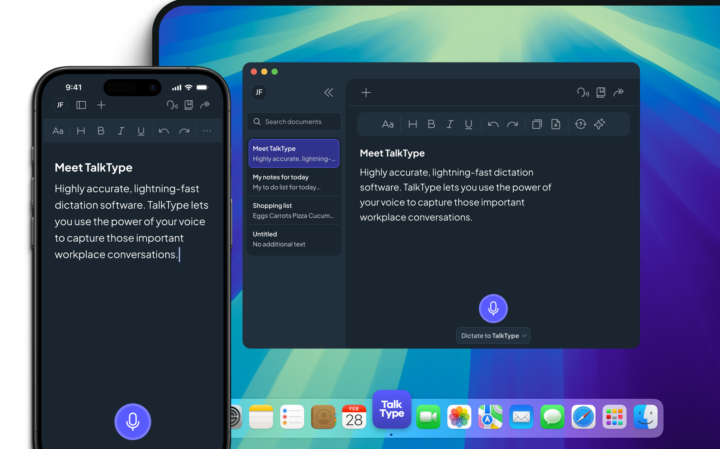
Assistive Technology: Assistive technology tools like dictation software, text-to-speech programs, and note-taking apps can make tasks like reading and writing easier for those with ADHD and dyslexia. Dyslexia-friendly fonts and organisational apps may also be beneficial.
Educational Support: In education, schools and colleges often provide Individual Education Plans (IEPs) or access to Special Educational Needs Coordinators (SENCOs) who can tailor learning approaches so that those with combined conditions have what they need to succeed academically and overcome learning challenges.
Workplace Accommodations: Employers can offer workplace accommodations such as flexible working hours, quiet workspaces, extra time for tasks, or assistive tools. This is because both conditions can be classed as disabilities under the Equality Act 2021, provided the impacts of a person’s symptoms meet certain criteria.
Therapies and Interventions: Therapies and interventions can help those with both conditions to manage emotions and advance in areas they struggle with. For example, Cognitive-behavioural therapy (CBT) or coaching can help to manage ADHD symptoms and their effects, while structured literacy programmes may help with dyslexia.
Support Groups and Charities: Organisations like the British Dyslexia Association and ADHD UK offer workshops and other resources. These can help with everything from focus and time management to financial support and advice.
At CareScribe, it’s our mission to make sure people with ADHD and dyslexia are empowered to achieve success. If you’re in work or education and need extra support with reading, writing, or focus, don’t forget to check out our assistive technology products to learn more about how they can support you.

Our small but mighty team builds leading-edge software that people love. We pride ourselves on a user-led approach to product design. The voice of the customer shapes what we create and that’s exactly how great assistive tech should be made.
Misophonia is more than just disliking certain sounds. For some individuals, the emotions brought on by it can be so extreme…

Dysgraphia is a lesser-known handwriting difficulty that’s often mixed up with conditions like dyslexia and developmental coordination disorder (DCD). So, how…

Many people with autism report finding it easier to focus on one task at a time, known as “monotropism”. While monotropism…