


What Is Victimisation at Work and What Are Your Rights?
Whether you’re an employer or employee, learning about victimisation in the workplace helps you to recognise and respond to victimising behaviour…
National Wellness Month is a great opportunity for organisations to prioritise staff wellbeing. But celebrating it doesn’t mean the same “wellness” for everyone. In this post, we explore why wellness matters and what it looks like with a brain or body that doesn’t quite fit the wellness industry’s standard.

National Wellness Month is an annual campaign that takes place every August and highlights the importance of practising healthier habits. The idea behind the event is to encourage people to make small, consistent changes that improve physical, mental, and emotional health over time.
National Wellness Month isn’t just something for the public to take part in. Many organisations use the month to reflect on wellbeing in the workplace, either sharing its importance online or taking part in activities that promote putting mental health first.
National Wellness Month began in the United States in 2018 and was created by Live Love Spa – a spa retailer and wellness community. Their campaign gained traction through social media challenges, particularly the “I Choose Wellness” pledge, which encouraged individuals to commit to simple daily self-care habits.
Over time, the month has evolved from individual lifestyle advice into a bigger conversation around wellness involving businesses and educational organisations across the globe.
According to HSE, mental health conditions continue to be the leading cause of work-related ill health in the UK, with approximately 964,000 workers reporting stress, depression or anxiety brought on or worsened by their job in 2024/25. And that’s not all. In 2025, sickness absence reached its highest level in over fifteen years in 2025, averaging 9.4 days per employee annually.
It’s clear we need events like National Wellness Month to bring wellbeing to the forefront. But since things seem to be taking a turn for the worse, we have to ask ourselves: where are we going wrong?
One of the difficulties around increasing wellness in the workplace is the lack of clarity over what wellness actually looks like. In today’s diverse world, we can’t just reach for blanket wellness solutions. It really boils down to:
Workplaces taking duty of care seriously: Employers creating psychological safety for all staff and actively shielding them from burnout.
Employees doing what actually works for them: Rejecting basic ideals in favour of healthier personalised habits that truly protect their needs.
For these things to become a priority, we need to be open about the realities of our workplaces. In corporate settings, for example, stress and burnout tend to impact neurodivergent employees and disabled staff most because of friction in everyday systems that don’t suit them. When work environments require constant masking or adapting to tools designed with neurotypical individuals in mind, burnout isn’t solved by a green tea in the breakroom. It requires adjustments and accommodations that meet real needs and remove the need to “keep up”.
If you’re an individual and want to take part in National Wellness Month, here are four helpful ways to build wellness habits that actually last:
Audit your workday friction: Ask yourself – are there daily tasks regularly causing you cognitive fatigue? Maybe you struggle writing lengthy emails or feel anxious sitting through back-to-back meetings. These are things to open up to your manager about. If you can find a suitable workaround, it can help to lighten the cognitive load.
Switch up your lifestyle habits: Are your lifestyle choices outside of work impacting how you feel in the office? Perhaps you’ve been missing out on sleep, bottling up personal issues, or haven’t been exercising like you used to. Committing to addressing these issues long-term can help you feel happier overall.
Take the “I Choose Wellness” pledge on your own terms: Use the month to start a small, realistic habit that suits you. Maybe you want to use social media less during the workday or spend more time outside at lunch? Make a change that you would truly benefit from.
Commit to a healthier work-life balance: If you struggle to switch off outside of work hours, focus on giving yourself verbal permission to fully unwind. You might choose to repeat a mantra like “It can wait” or “I’m not at work now”. Doing this regularly will allow your brain to recognise when you’re on the clock and when you’re not.
If you’re an employer, why not show your commitment to wellness by auditing workplace accessibility? Here are four ways you can work on creating a more inclusive culture:
Think about the things that might be getting in the way of diverse needs. Does your team have access to quiet focus spaces? Are flexible working arrangements possible? Exploring these types of questions can help you to remove sources of stress that often go unnoticed.
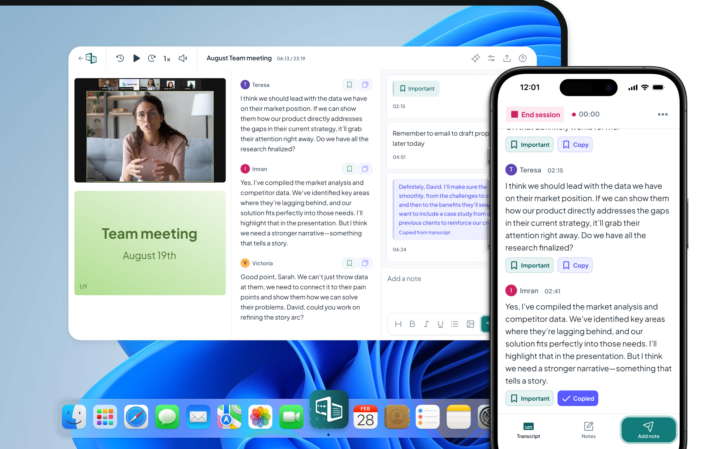
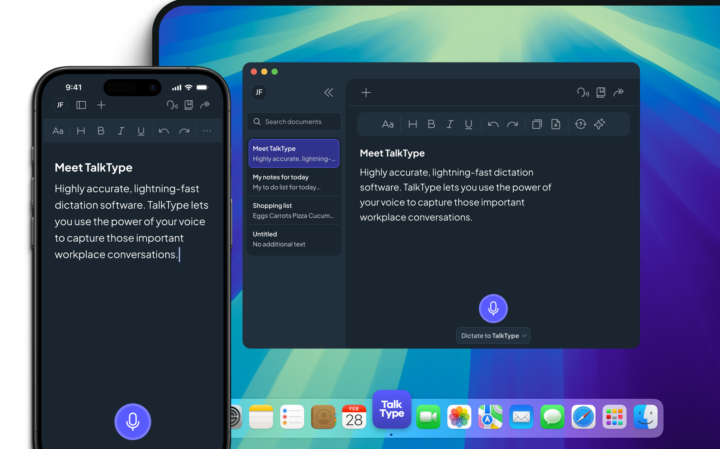
Your technology should lighten the workload, not add to it. Consider introducing live note-taking tools that reduce cognitive load for neurodivergent employees or speech-to-text software to help staff with dyslexia. Removing barriers means reducing friction.
Your team should know how to access reasonable adjustments without fear of judgement or bureaucracy. Try to make it clear what’s available to staff and how it helps. Normalising adjustments ensures people don’t feel singled out for asking for support.
Finally, be mindful of the fact that mandatory group wellness sessions can provoke social anxiety or sensory overload. Instead, offer a flexible menu of options, including asynchronous self-care tools or confidential access to professional support.
National Wellness Month takes place every year during the month of August.
It was founded in 2018 by Live Love Spa and its founder, Lisa Michaelis, to draw attention towards self-care and healthy habits.
The “I Choose Wellness” pledge is a campaign initiative encouraging individuals to commit to prioritising their physical, mental, and emotional health by adopting small, positive daily routines.
Employers can celebrate by stepping away from wellness perks and addressing structural barriers that impact mental health. This can be achieved by offering flexible working options, reducing daily cognitive friction with assistive tools, and building a sensory-friendly, psychologically safe workplace.

Our small but mighty team builds leading-edge software that people love. We pride ourselves on a user-led approach to product design. The voice of the customer shapes what we create and that’s exactly how great assistive tech should be made.
Whether you’re an employer or employee, learning about victimisation in the workplace helps you to recognise and respond to victimising behaviour…

Ever find yourself replaying thoughts over and over again in your mind? Perhaps you wish you could just scream “STOP” and…

Whether you’re a manager, HR professional, or EDI lead, understanding stress risk assessments is key to supporting staff mental health and…