


What Is Victimisation at Work and What Are Your Rights?
Whether you’re an employer or employee, learning about victimisation in the workplace helps you to recognise and respond to victimising behaviour…
Feel as though you or your team are always winging it without a plan? Find out how workplace organisational skills enhance productivity, and what you can do to get organised, even if it doesn’t come naturally.

Organisational skills aren’t just important on an individual level – they shape how entire teams interact and perform. When a team is disorganised, communication breaks down, deadlines are missed, and motivation takes a hit. Strong teams need shared systems and processes to stay aligned. Without them, performance suffers, and everyone ends up winging it on their own.
Never been an organised person? Being naturally less organised isn’t necessarily a bad thing. In fact, it’s been suggested that people who are a little messy or disorganised tend to think more creatively (this can sometimes be the case for individuals with ADHD). It’s all about finding a balance. If you’re able to put a bit of effort into managing your time and tasks, you can harness your creative strengths while helping yourself and your whole team hit shared goals.
Research suggests that office clutter can contribute to poor productivity, emotional exhaustion, and burnout. But it’s not just physical disorder that can affect how we feel at work. Staying organised – both digitally and in the real world – feels good because when we’re in control of things, we’re able to stay calm and think more clearly.
Although removing files from our desktops to reduce mess or process mapping to improve our workflow may not seem as impactful as making changes in our physical environment, it can still give us that satisfying sense of progress. Over time, each small step we take to become more organised builds on the last, creating positive momentum that reinforces the habit and makes us feel increasingly capable and in control.
So, how can being more organised aid productivity? It’s simple. When teams and individual employees get good at skills like time management and strategic planning, they’re able to:
When things feel orderly, there’s much less to get in the way of productivity. Sure, a client or stakeholder might affect the direction of a projection, or you might get thrown a curveball like an urgent request or change, but if your team is organised well, you can adapt quickly and get back on track.
Ready to get more organised? The good news is that you don’t need to overhaul everything overnight. Here are some practical ways to bring more structure into your workday:
Top tip: Discovered a killer process that improves workflow? Share it with your team! It’ll save your colleagues a lot of time and stress, and they’ll appreciate you making life easier.
Absolutely. Being naturally disorganised doesn’t mean you’re stuck that way forever. It just means you might need to work a bit harder to build the habit. Start with one or two small changes rather than trying to transform everything at once. Over time, those small wins add up, and what felt unnatural at first starts to become second nature.
Yes, though it’s less common than the opposite problem. If organising takes up so much time that it gets in the way of actually doing the work, or if rigid systems stop you from adapting when things change, you’ve probably tipped over into over-organisation. The sweet spot is having enough structure to keep things running smoothly without becoming inflexible or wasting time perfecting systems that don’t need perfecting.
Employers value time management, the ability to prioritise effectively, and strong planning skills. They also look for people who can keep track of multiple projects without dropping the ball and can communicate clearly about timelines and deadlines. Basically, they want to know you can manage your own workload without constant supervision.
It varies from person to person, but you can usually see improvements within a few weeks if you’re consistent. Building lasting habits takes longer (typically around two to three months). The key is to stick with it even when it feels awkward or time-consuming at first. Once the habits settle in, staying organised takes far less effort than it did in the beginning.

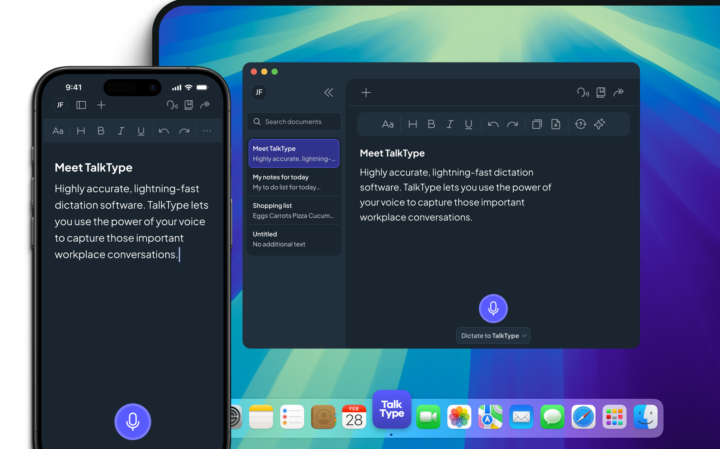
Our small but mighty team builds leading-edge software that people love. We pride ourselves on a user-led approach to product design. The voice of the customer shapes what we create and that’s exactly how great assistive tech should be made.
Whether you’re an employer or employee, learning about victimisation in the workplace helps you to recognise and respond to victimising behaviour…

Ever find yourself replaying thoughts over and over again in your mind? Perhaps you wish you could just scream “STOP” and…

National Wellness Month is a great opportunity for organisations to prioritise staff wellbeing. But celebrating it doesn’t mean the same “wellness”…