



Understanding ADHD in Men: Symptoms, Differences, and Support
There’s a lot of confusion when it comes to understanding ADHD in men. In this helpful guide, we explore different types…
Ever wondered why people with ADHD appear to act more impulsively? We’ve put together this simple guide to help anyone curious about ADHD impulsivity. Whether you have ADHD yourself or want to support someone at work, learn what it looks like and how best to manage it.

Impulsivity is the tendency to act without thinking. Someone behaving impulsively might give in to urges without pausing to consider consequences or jump headfirst into activities without planning them first.
Impulsive behaviour is one of the key traits of ADHD, affecting both inattentive ADHD presentations and hyperactive-impulsive presentations. This is because ADHD brains have altered executive function, which makes it harder to practise response inhibition. Impulsivity in ADHD can range from relatively harmless (e.g. blurting things out) to more dangerous (causing harm or behaving recklessly).
Impulsivity in ADHD can show up in lots of different ways. It can cause behaviours like:
People with ADHD often know these behaviours aren’t desirable, yet feel they have very little control over them. It can feel like someone else is in the driving seat and they’re being taken along for the ride.
It’s not uncommon for people with ADHD to face extreme emotions like intense sadness, anger, or even full-blown ADHD meltdowns that happen very quickly. This is known as emotional lability. For someone with ADHD, the biggest challenge with emotional lability is interrupting the emotion before it spirals and becomes more intense. Because the ADHD brain struggles to hit the pause button, it feels these emotions at full volume before the logical side of the brain has a chance to step in and calm things down.
If you’re an employee with ADHD or work with someone who has it, you might relate to the following behaviours:
It’s vital for people to recognise that these actions aren’t always done on purpose, and often people simply need help to manage them. If you have ADHD and are worried about the impact your impulsivity is having on your work, try to chat things through with a trusted colleague or manager. If you try to hide your impulsive traits, it can mean colleagues misread your behaviour, assuming you’re being rude or unreliable, when in reality you’re just struggling with something you can’t fully control.
Looking to better manage impulsivity in ADHD? Whether you need advice for yourself or are trying to better understand ADHD behaviour in others, here are some handy strategies that can help:
Breaking up tasks into chunks: Breaking up tasks instead of tackling everything at once helps to prevent overwhelm. Many people find it helpful to use timers to track these chunks. This takes away the pressure of having to know how much time has passed – something that can be tricky for ADHD brains.
Practising mindfulness: Mindfulness activities like breathing deeply and observing objects in a space can help to reduce impulsivity by calming stress and overthinking. While it can take time to master, quite often, the more people practise mindfulness, the easier it becomes.
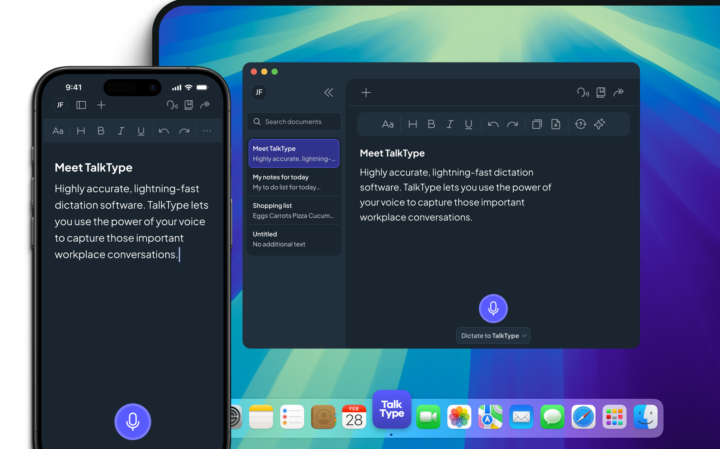
Using tools to help with focus: Since ADHD brains tend to struggle with holding onto fast-moving thoughts before they turn into impulsive actions, tools like note-taking software can help. Jotting down a stray thought or idea the moment it appears gives the brain somewhere to “park” it, rather than acting on it right away or blurting it out. Dictation software can be useful too, especially for people who think faster than they can type or write. This allows thoughts to be captured quickly and accurately, without the frustration that comes from trying to keep up manually.
Spreading awareness about ADHD: It can make all the difference when managers and employees take time to understand how ADHD affects people. Things like workshops and open conversations about neurodiversity can help to build a culture of understanding rather than judgement, making it easier for people with ADHD to ask for support without fear of being seen as lazy or difficult.
No. While they might look similar in terms of behaviour, what causes the impulsivity is different. In anxiety, people tend to behave impulsively because they want to escape a fearful situation or relieve stress. In ADHD, it happens due to a lack of impulse control. This is something a person with ADHD carries with them throughout their whole life, not something that is triggered by a specific stressful situation.
Absolutely, although it might not go away completely. Most people find that impulsivity tends to decrease slightly in their 20s because executive function takes time to develop fully. From there, impulsive tendencies can be reduced by learning about triggers, making use of the right tools, and exploring different treatment avenues, like CBT or medication.
Yes, but it can be much harder for them than for those with neurotypical brains. In an ADHD brain, the pause between thinking something and actually doing it is broken. This means the urge turns into action almost instantly. While someone with ADHD can’t control the initial urge, they can learn to manage the behaviour and spot impulsivity triggers. This usually requires specific tools, like medication, therapy, or environmental changes, to help them create that missing pause.

Our small but mighty team builds leading-edge software that people love. We pride ourselves on a user-led approach to product design. The voice of the customer shapes what we create and that’s exactly how great assistive tech should be made.
There’s a lot of confusion when it comes to understanding ADHD in men. In this helpful guide, we explore different types…

Ever find yourself replaying thoughts over and over again in your mind? Perhaps you wish you could just scream “STOP” and…

National Wellness Month is a great opportunity for organisations to prioritise staff wellbeing. But celebrating it doesn’t mean the same “wellness”…