

Misophonia: Sound Triggers, Symptoms, and Support
Misophonia is more than just disliking certain sounds. For some individuals, the emotions brought on by it can be so extreme…
When selecting the right assistive technology, there is an important distinction – should you opt for specialist assistive technology or rely on mainstream (non-specialist) solutions? This post dives into these two categories, exploring their histories, benefits, roles in empowering users, and how to access funding and support.

Imagine this scenario: a student with severe dyslexia trying to keep pace in class, struggling daily with the written word. Or picture an elderly person with deteriorating vision who wishes to stay connected with loved ones online. These challenges aren’t uncommon, and this is exactly where assistive technology (AT) steps in. But when selecting the right assistive technology, there is an important distinction – should you opt for specialist assistive technology or rely on mainstream (non-specialist) solutions? This post dives into these two categories, exploring their histories, benefits, roles in empowering users, and how to access funding and support.
Assistive technology isn’t a new concept; it’s been around in various forms for decades. Originally, assistive devices were typically specialist tools designed exclusively to support disabled users. Early innovations included hearing aids in the early 20th century, Braille systems developed in the 1800s, and mobility aids like wheelchairs that date back hundreds of years.
However, over recent years we have seen an increase in the amount of AT available, driven by technological advancements and greater social awareness. Today, devices initially developed for general use, like smartphones, tablets, and voice assistants, now include robust built-in accessibility features, marking the rise of mainstream AT.
Specialist assistive technology is specifically developed with disabled users at its core. These tools are finely tuned to address particular impairments or disabilities, offering advanced features tailored to unique challenges.
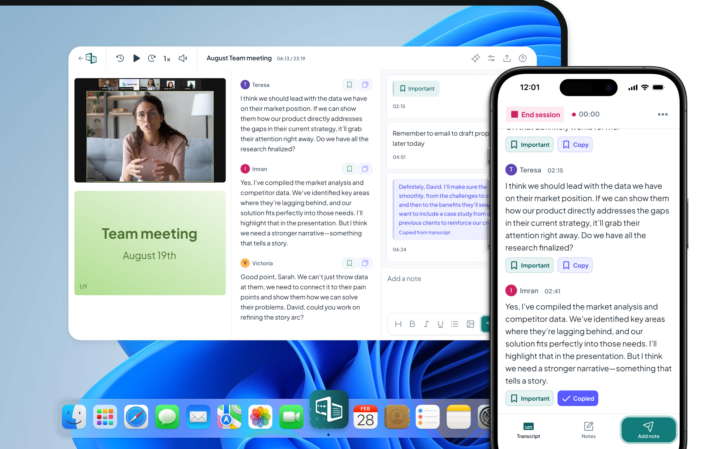
Built-in accessibility tools in mainstream software, such as automated captions in video conferencing tools or standard speech-to-text functions, often lack accuracy and advanced functionality. They frequently struggle with speaker differentiation, terminology accuracy, and real-time responsiveness, particularly in educational or professional settings.
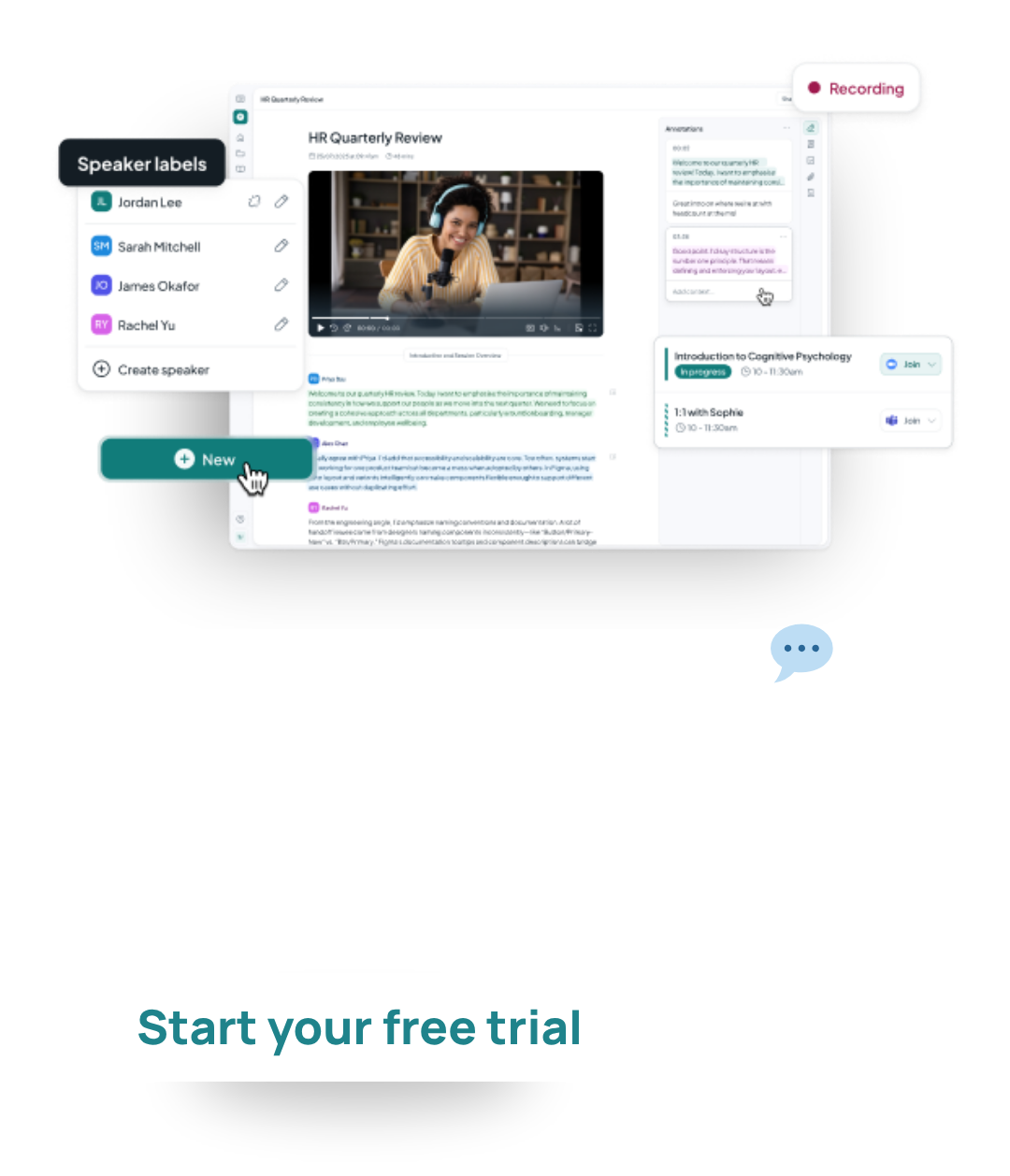
For instance, specialist captioning software like Caption.Ed addresses these limitations with features such as:
These specialized capabilities directly support educational success and workplace efficiency in ways mainstream solutions typically cannot.
On the other hand, mainstream assistive technology refers to everyday technology that incorporates assistive features despite not being designed exclusively for disabled users. These tools offer significant accessibility, integration, and cost advantages.
Choosing between specialist and mainstream AT depends heavily on the user’s specific needs, lifestyle, and environment.
In practice, a combination often proves ideal. Specialist software may offer critical functionality for key tasks, while mainstream technology provides convenient, everyday support. For example, a student might use specialist captioning software like Caption.Ed for detailed note-taking during lectures but rely on mainstream smartphone accessibility features for daily communication and organisation.
Accessing specialist assistive technology can sometimes involve costs, but there are several funding sources available in the UK to support these investments:
These funding pathways can significantly reduce financial barriers, helping users access specialist technology, ultimately supporting independence and success in educational and professional settings.
The ultimate goal of assistive technology, specialist or mainstream, remains the same: fostering independence, accessibility, and inclusion. As technology advances, we can expect greater integration, with mainstream devices becoming more inclusive and specialist AT becoming more user-friendly and universally compatible.
In conclusion, both specialist and non-specialist assistive technologies are important parts of the puzzle, each playing unique roles in empowering users. Whether one leans toward specialist solutions like Caption.Ed or mainstream technology, or a combination of both, the most critical factor is matching the right tools to the right user, ensuring everyone has the opportunity to achieve independence, dignity, and success.

Our small but mighty team builds leading-edge software that people love. We pride ourselves on a user-led approach to product design. The voice of the customer shapes what we create and that’s exactly how great assistive tech should be made.
Misophonia is more than just disliking certain sounds. For some individuals, the emotions brought on by it can be so extreme…

Dysgraphia is a lesser-known handwriting difficulty that’s often mixed up with conditions like dyslexia and developmental coordination disorder (DCD). So, how…

There’s a lot of confusion when it comes to understanding ADHD in men. In this helpful guide, we explore different types…