



Misophonia: Sound Triggers, Symptoms, and Support
Misophonia is more than just disliking certain sounds. For some individuals, the emotions brought on by it can be so extreme…
Clocking off early on a Friday, adding an extra day to your weekend, enjoying a day off every fortnight; these are all perks of working compressed hours. But how do compressed hours work? And what needs to be considered before putting in a request? Let’s take a look.

Compressed hours are a type of flexible working arrangement that enables staff to work the same number of hours but compressed into a shorter week. This might mean that an employee works Monday to Thursday for 10 hours per day and gets a day off on Friday. Or, they might work a nine-day fortnight, doing slightly longer hours each day to build up one day off every two weeks.
The idea behind compressed hours is that they’re designed to fit in with the employee’s lifestyle and/or personal commitments. Whether it’s for more time with family, hobbies and education, or to better manage mental health, there are lots of ways it can help to enhance a person’s work-life balance.
Although over 90% of employers offer flexible working, the compressed hours working model isn’t commonplace in all places of work. In fact, research suggests that part-time arrangements are much more widely adopted. For organisations that do honour compressed working hours, there are many different benefits.
Compressed hours have started to gain popularity because they’re mutually beneficial for both employer and employee. By condensing a person’s working week rather than cutting back hours, the company still gets the same amount of work from the employee; it’s just undertaken at slightly different times. For the employee, this means more free time without having to sacrifice their usual pay.
According to recent surveys, around 80% of employees say flexible working improves their quality of life, while roughly one-third report that flexible arrangements have helped advance their careers. But what do compressed hours mean for productivity?
It’s hard to measure the exact impact of compressed hours, as most studies focus on reduced hours overall rather than the same hours arranged differently. However, multiple pilots and trials in the UK and across Europe, including organised 4-day-week pilots, have generally reported maintained or improved productivity with one day less in the office.
The reasons for this may include:
Along with the satisfaction that comes from boosted productivity, compressed hours give employees an opportunity to make time for them. They may want to spend more time with their children, focus on learning a new skill, get up to speed with life admin, or even use the time for recovery if they’re managing personal health issues or a disability.
If you’re an employer, granting staff this flexibility can be highly beneficial. Creating a culture where you support and value staff needs shows that you care about employees as individuals and want them to succeed. This creates a happier, healthier workforce and helps to attract new talent.
It also reduces absence and staff turnover. This is because it helps to ensure staff don’t get overly stressed or become sick. It’s sometimes easy to forget the realities of people’s lives outside work. They may have complicated family dynamics, personal commitments, and health issues to tackle. When these external factors are coupled with work stresses that aren’t being taken seriously by their employer, burnout is almost inevitable.
If you’re an employee and feel you may benefit from compressed hours, there are a few important things to consider first. Ask yourself the following questions and try to answer them as honestly as possible:
What type of work do you do? It’s vital to ensure that the type of work you do is compatible with compressed hours. For example, if you work in a customer service role that requires you to be in the office between 9–5 Monday to Friday because that’s when you speak to customers, it could be trickier to implement compressed hours. Always consider practicality before putting in a request.
Why are you requesting compressed hours? Think about the core reasons you want to work compressed hours. Perhaps you want to sign up for a course, create more time for wellbeing activities, or spend more time with your kids. Be clear about this so that you can confidently communicate it to your employer.
What sort of impact will compressed hours have on the rest of the team (positive or negative)? Try to think about the impact of your new working arrangement. How feasible is it for the rest of your team? Will it create an imbalance? If there are ways that you feel it would benefit colleagues or your company as a whole, make these known.
What personal challenges could arise from working compressed hours? Be realistic about the impact for you. Sure, there are likely to be benefits, but what are the consequences? Think about how feasible it is to work longer days – if you’re contemplating compressed hours due to work stress, could this make it worse? Or, if you have family commitments, could working longer days make this more difficult? Try to consider any possible challenges so that you can weigh up the pros and cons in a balanced way.
As well as measuring impact, consider a few different arrangements. Here are some simple ways you can structure compressed hours and when they might be beneficial:
Full-time hours, Monday to Thursday: This setup means working longer days (often 10 hours) so you can enjoy a three-day weekend every week. It works well if you like having more extended time off in one block.
Nine-day fortnight: Instead of condensing all your hours into four days, you spread them across nine working days and take every second Friday (or Monday) off. This option balances slightly longer workdays with regular long weekends.
Split longer days across the week: Some people choose to add just an hour or so to each workday and finish early every Friday. This gives you a head start on the weekend without the intensity of back-to-back long days.
Occasional compressed weeks: Rather than committing to a permanent pattern, you can agree with your employer to compress hours during busy times in your personal life (e.g. childcare, studying, or health commitments). This gives you flexibility without locking you into one fixed routine.
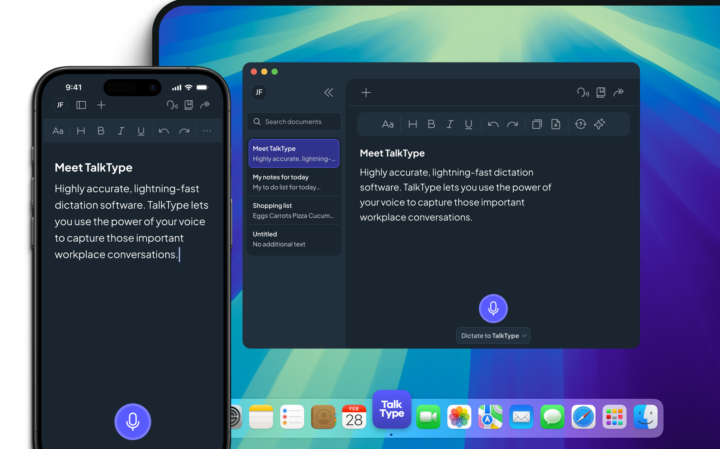
Leverage efficiency tools when working a compressed schedule: Using voice dictation to compose emails or reports, for example, can save time and keep you productive within shorter workdays.
With growing evidence to suggest that compressed hours and other flexible working arrangements are helping businesses to become happier, healthier, and more focused overall, it’s likely we’ll see even more flexibility in future. This is just one of the ways we can make our workplaces work better for everyone.

Our small but mighty team builds leading-edge software that people love. We pride ourselves on a user-led approach to product design. The voice of the customer shapes what we create and that’s exactly how great assistive tech should be made.
Misophonia is more than just disliking certain sounds. For some individuals, the emotions brought on by it can be so extreme…

Dysgraphia is a lesser-known handwriting difficulty that’s often mixed up with conditions like dyslexia and developmental coordination disorder (DCD). So, how…

Many people with autism report finding it easier to focus on one task at a time, known as “monotropism”. While monotropism…