



What Is Victimisation at Work and What Are Your Rights?
Whether you’re an employer or employee, learning about victimisation in the workplace helps you to recognise and respond to victimising behaviour…
Struggling to get your words out? Finding it hard to focus on simple tasks? You might be suffering from brain fog. Although brain fog isn’t always serious, it can still be frustrating – especially at work. Let’s take a look at what causes it and how to manage it.

‘Brain fog’ is a term used to describe a sensation of ‘fogginess’ in the brain that causes us to involuntarily slow down and lose focus.
Rather than being a formally recognised medical condition, brain fog is more of a symptom/set of symptoms. These symptoms can occur either as a result of a diagnosed medical condition or for other reasons like sleep deprivation, medication, hormones, excessive screen time, and dehydration.
Someone with brain fog might:
Although there’s no single, definitive cause of brain fog, there’s actually quite an extensive list of conditions and lifestyle factors that are closely linked to it. With many of the following, brain fog is a common side effect:
Just as the potential causes can vary, what’s happening within the brain varies too. For example, those with certain autoimmune conditions or who have brain fog after viral infections like COVID-19 may experience neuroinflammation, where inflammatory molecules cross or disrupt the blood–brain barrier and interfere with neural communication.
In contrast, someone with dehydration may develop brain fog due to reduced fluid balance, which can lower cerebral blood flow and impair neuronal efficiency, leading to a feeling of sluggishness.
If you think you may be experiencing brain fog, always try to determine possible causes before pursuing any kind of intensive treatment. While quick hacks and science-backed tips are well worth a try, anything more complex or invasive should be guided by a qualified healthcare professional to ensure you’re addressing the root cause safely and effectively.
So, what can you do if you’re facing major brain fog at work and need a quick fix? While there’s no magic switch, there are some fast, practical tips that are easy and safe to try. Provided your brain fog isn’t caused by a medical issue, you may even feel sharper in minutes…
Take a break from your screen: Too much screen time can strain your eyes and overload your brain with constant visual input, reducing your ability to focus. Step away from the screen for a couple of minutes to give your eyes and mind a chance to reset. This will help you return to your desk with a clearer head.
Go and grab something to drink: A large number of studies have linked dehydration with poor performance due to reduced brain function. So, if you haven’t had anything to drink in a while, grab a glass of water and sip away while you work.
Take a micro nap: If you’ve had a restless night or are lacking energy, allow yourself to take a short nap on your next break. The sweet spot is around 10–20 minutes. This is just enough time to help you feel refreshed, but not so long that you wake up feeling groggy.
Address dry eyes or visual issues: It’s possible for visual stress to trigger brain fog and vice versa. If you’re a contact lens wearer, try swapping to glasses or adding hydrating eye drops. Just got new glasses? It can sometimes take time to adjust. Consider taking short breaks from wearing them or moving closer/further away from the screen.
Be mindful of stress: Try to be mindful of your own stress levels. Do you feel tense? Worried? Overwhelmed? If the answer’s yes, take some deep breaths and focus on calming down the body. The more you work in a state of stress, the more your brain stays in ‘fight or flight’ mode, making it harder to think clearly, process information, and make decisions.
Get moving: Exercise helps to release tension and get the blood pumping. Even a 2–3 minute walk around the office or some light stretching can boost blood flow to the brain and improve alertness.
Snack smart: If you’re experiencing brain fog, resist the temptation to pick up a sugary chocolate bar. Instead, opt for protein‑rich or fibre‑rich snacks like nuts, yoghurt, or fruit to stabilise blood sugar and avoid a mental crash, which can make brain fog worse.
To prevent brain fog from becoming a regular occurrence, you may need to implement some small lifestyle changes. Quick fixes can help you to clear brain fog instantly in the moment, but long-term habits are what keep your mind consistently sharp.
Try the following sustainable strategies for a month and see how you feel:
Record symptoms to identify patterns: Keep a simple log of when brain fog strikes, what you were doing, and how you felt. Over time, you may spot triggers you can avoid or manage.
Get enough sleep: Aim for 7–9 hours of quality rest each night. This will help you to give your brain the downtime it needs to repair, store memories, and clear out waste, leaving you sharper, calmer, and better able to focus.
Change your diet: Focus on whole foods, healthy fats, and plenty of fruits and vegetables. It’s best to limit processed foods and refined sugars, as these can cause energy spikes and crashes.
Prioritise exercise: Try to engage in regular movement to boost blood flow to the brain, improve mood, and enhance your focus. Just a short daily walk can make a big difference.
Proactively deal with stress: Make a conscious effort to build stress‑management techniques into your routine. You might want to try meditation, journaling, or simply taking breaks to reset. If the stress is caused by your workload, be open with your manager. They may be able to cut down your workload or delegate tasks to help you out.
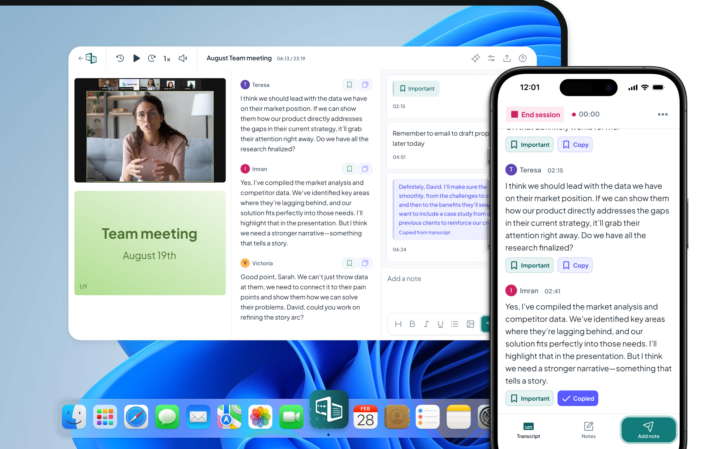
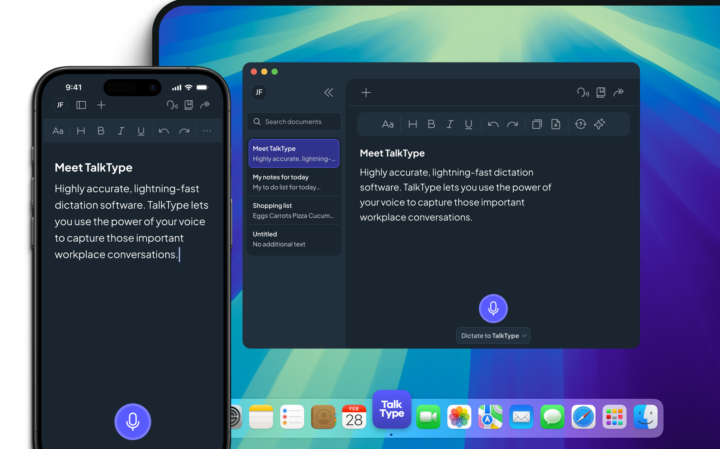
Consider support or workplace adjustments: If your role is high‑pressure or screen‑heavy, speak to your manager or HR about adjustments that could help you work more effectively. You may find it easier to work with dictation or note-taking software, a larger/smaller screen, or to split your work up into chunks. This can be particularly useful if your brain fog is linked to neurodivergence.
Occasional brain fog is common, but if it’s persistent, worsening, or interfering with your daily life, it’s worth getting checked out. Seek medical advice if you:
A healthcare professional can help to identify underlying causes and guide you towards the right treatment. That way, you’re not just trying to clear brain fog in the moment; you’re addressing the root cause.

Our small but mighty team builds leading-edge software that people love. We pride ourselves on a user-led approach to product design. The voice of the customer shapes what we create and that’s exactly how great assistive tech should be made.
Whether you’re an employer or employee, learning about victimisation in the workplace helps you to recognise and respond to victimising behaviour…

Ever find yourself replaying thoughts over and over again in your mind? Perhaps you wish you could just scream “STOP” and…

National Wellness Month is a great opportunity for organisations to prioritise staff wellbeing. But celebrating it doesn’t mean the same “wellness”…