



Misophonia: Sound Triggers, Symptoms, and Support
Misophonia is more than just disliking certain sounds. For some individuals, the emotions brought on by it can be so extreme…
Autism is a way of thinking that exists on a spectrum. The Autism Infinity Symbol is an attempt to represent this diversity. As a way to boost awareness of autism, the Autism Infinity Symbol is a positive reflection of the myriad variations of autism that exist in the human population. So, to explain more about the symbol, let’s get into some details in this post.
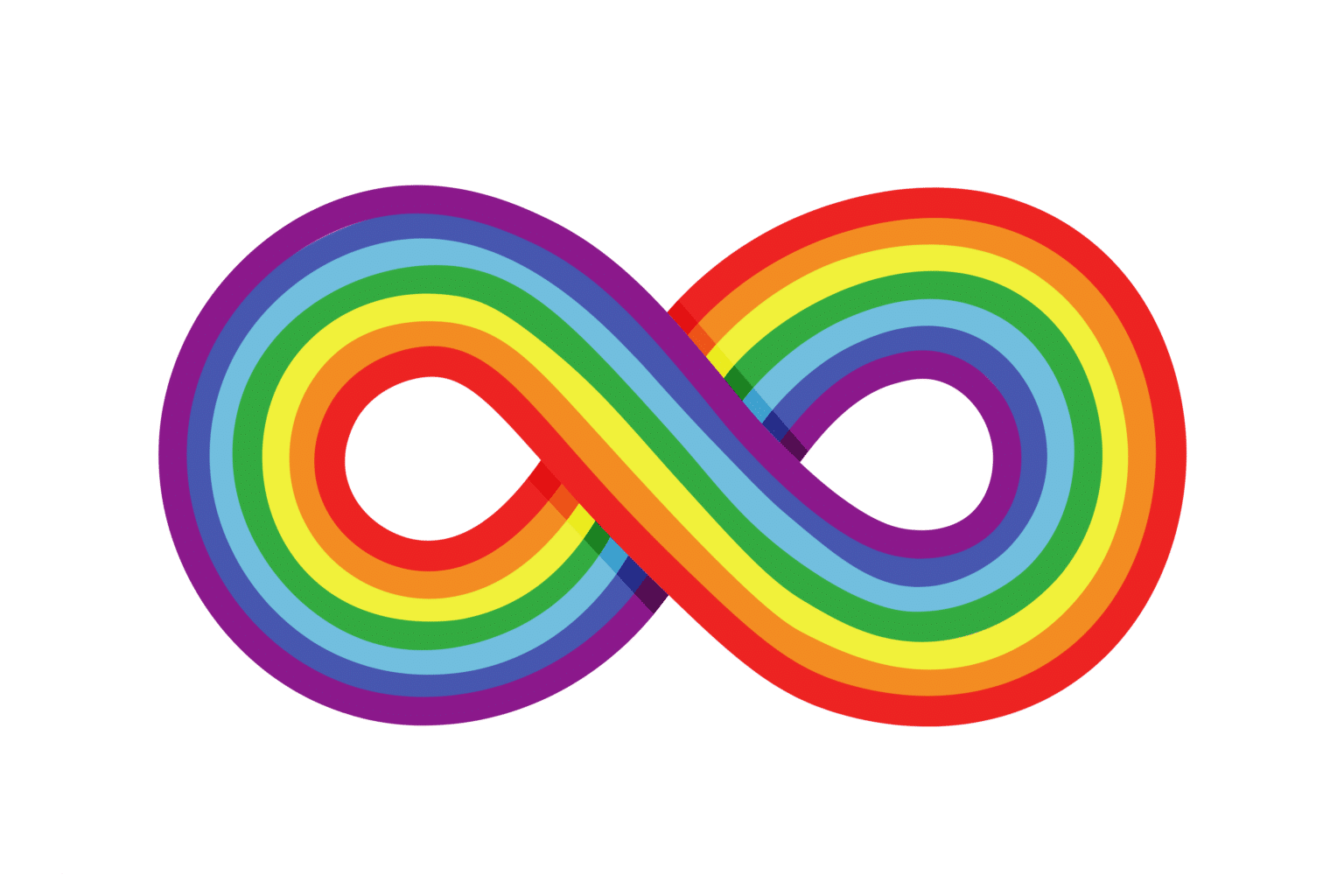
The Autism Infinity Symbol is an interconnected symbol created by Australian sociologist Judy Singer in 1998. She first presented the infinity symbol as a representation of infinite variations in human nervous systems. At the same time, she coined the phrase ‘neurodiversity’ to describe these differences and she intended for the symbol to represent neurodiversity in general.
Since then, the symbol has shifted from a representation of neurodiversity to raising awareness of autism. Two versions of the Autism Infinity Symbol exist today – one in solid gold and the other as a multicoloured loop. Some members of the autism community choose the solid gold infinity loop over colours to signify autism and consider the multicoloured infinity symbol as more of a reflection of neurodiversity in general.
Today, the Autism Infinity Symbol highlights the complexity of the autistic spectrum. People with autism show a wide variety of strengths and weaknesses. But there is also an infinite number of variations – no two people with autism operate in the same way. For instance, some people with autism are excellent at paying close attention to small details and spotting mistakes. Other people with autism may have an autism accent, which could stop them from progressing in their chosen profession.
The Autism Infinity Symbol is a way to represent these strengths and weaknesses. But it also showcases inclusivity for people with autism and the limitless or infinite value they bring to the world. It can also represent a never-ending commitment to cognitive development and growth for people with autism.
It’s worth noting that there is no official symbol to represent autism. The Autism Infinity Symbol is one of several autism symbols, the diversity of which is also a strong representation of autism in general. Other symbols to note include:
Today, the Autism Infinity Symbol is a popular and dynamic representation of autism. Some people with autism dislike the rainbow colours and find the symbol better represents neurodiversity in general. To overcome this, the solid gold infinity symbol is a popular go-to for people with autism.
While some people still prefer the Jigsaw Puzzle Piece for its traditional and recognised use of puzzle pieces, others find it negative since it suggests people with autism don’t fit into society. For some, the puzzle piece can reflect that people with autism are misfits and mismatch against the more standard or typical puzzle pieces of society. And this may be another reason why the Autism Infinity Symbol has become more popular.
Due to the wide range of symbols and preferences that represent autism, there is no official symbol for autism awareness. At one stage, in the late nineties, the Autism Awareness Ribbon became the official symbol. Created in 1963 by a board member of the National Autistic Society, the board of trustees for the society agreed that it represented autism as a ‘puzzling’ condition. And it’s design included multicoloured puzzle pieces with a child weeping.
Then, around the late 1990s, it became accepted by the Autism Society and other autism-based non-profits as the official symbol and official way to raise awareness of the condition.
In 2024, many people find the puzzle pieces too insensitive to represent people with autism. They feel it’s a reminder that they are a puzzle to solve or a piece of the puzzle that doesn’t fit into society. It can also suggest that people with autism are incomplete or have something missing. Despite its original design to represent neurodiversity in general, it’s for these reasons that people with autism tend to choose the infinity symbol.
Today, members of the autism community are choosing the Autism Infinity Symbol over the Jigsaw Puzzle Piece as a representation of their condition. There’s a negative association with the Jigsaw Puzzle Piece that many people with autism don’t like. It does reflect an older way of thinking and design by ableist individuals. People with autism weren’t consulted in the use of puzzle pieces and so now want a symbol they can be happy with.
But, as we’ve touched on already, using the infinity symbol instead of the puzzle piece is controversial. The symbol previously reflected neurodiversity in general as opposed to autism only.
With so many variations in autism, it seems an appropriate way to use the symbol. Studies show, for instance, that up to 70% of people with autism will also experience ADHD making anyone with autism likely to have comorbid conditions or variations in the behaviours.
Controversies do exist around the use of the Autism Infinity Symbol and specifically around colours. For instance, some autistic advocates prefer gold over the more traditional blue colours used for Autism Awareness Day. They also prefer to define autism with gold colours over the more multicolours that represent neurodiversity in general. Gold is also seen as very appropriate because the chemical symbol for Gold is Au.
Whether it’s the multicoloured symbol or the gold version, people with autism are embracing the Autism Infinity Symbol as their preferred representation of people with the condition.

Our small but mighty team builds leading-edge software that people love. We pride ourselves on a user-led approach to product design. The voice of the customer shapes what we create and that’s exactly how great assistive tech should be made.
Misophonia is more than just disliking certain sounds. For some individuals, the emotions brought on by it can be so extreme…

Dysgraphia is a lesser-known handwriting difficulty that’s often mixed up with conditions like dyslexia and developmental coordination disorder (DCD). So, how…

Many people with autism report finding it easier to focus on one task at a time, known as “monotropism”. While monotropism…