


Understanding ADHD in Men: Symptoms, Differences, and Support
There’s a lot of confusion when it comes to understanding ADHD in men. In this helpful guide, we explore different types…
DEI is a commonly used abbreviation that stands for Diversity, Equity & Inclusion. It is a conceptual framework used to help organisations treat their staff in fair, respectful, and equitable ways.

Diversity: The presence of differences within a given setting. In the workplace, that can mean differences in race, gender, sexual orientation, age, and class. It can also mean differences in physical ability or whether or not you have kids – all of these can be classed as diversity.
Equity: The aim to ensure equal treatment, access, opportunity, and advancement for people, including employees in the workplace.
Inclusion: Is defined as an environment where everyone feels welcome, valued, and can contribute.
DEI training is an educational initiative designed to help employers build awareness and implement inclusive practices. It equips employees with the awareness and skills needed to recognise unconscious biases and create a culture of respect and belonging. For businesses, it’s not about compliance – it’s about creating an environment where diverse talents can thrive.
DEI training plays a crucial role in fostering an inclusive and supportive work environment. For employers, investing in workplace DEI training and having a diversity and inclusion strategy is essential for creating workplaces where all employees, including those with disabilities and neurodiversities, feel valued and empowered. Some benefits of DEI training include:
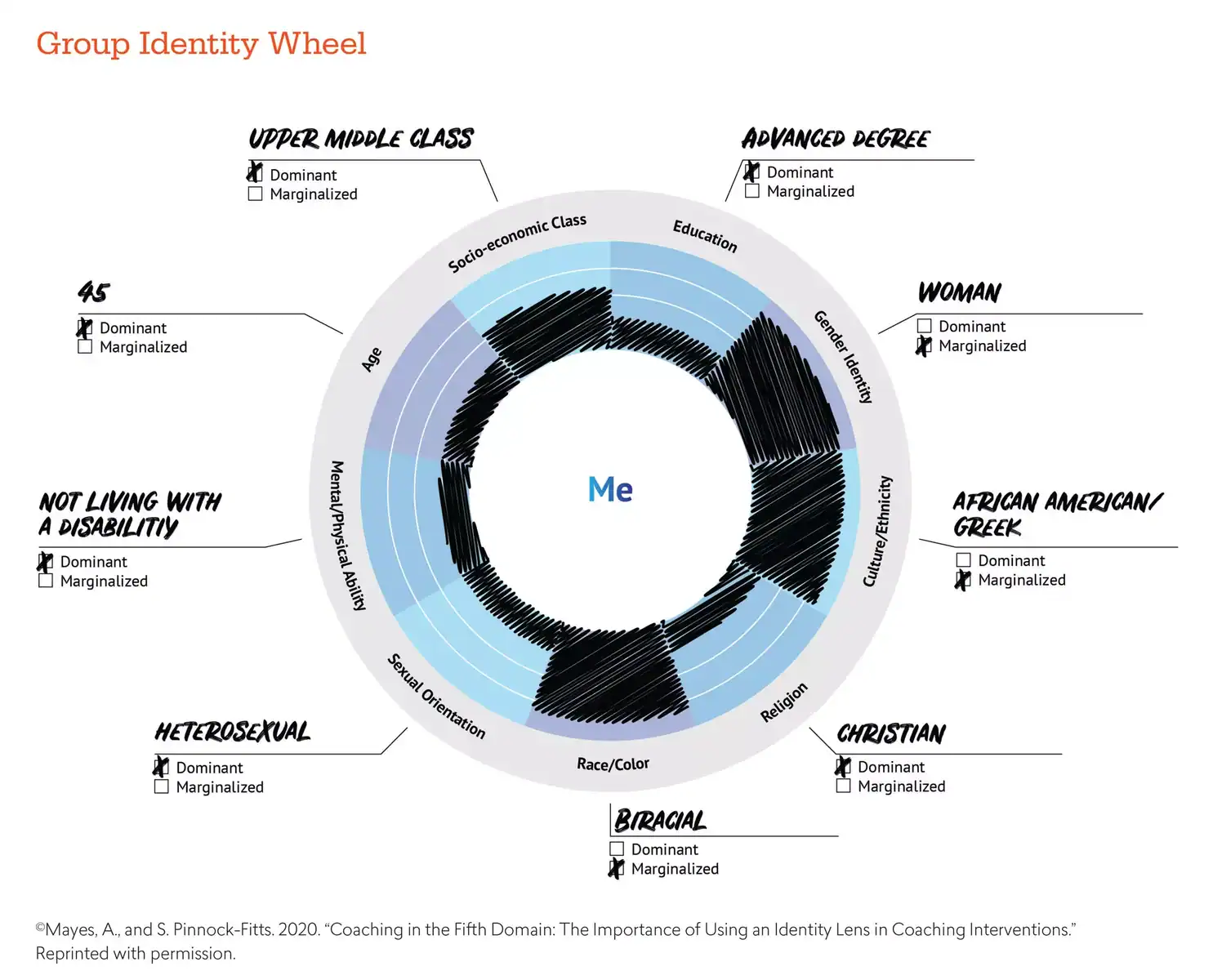
DEI training can cover a lot of ground—because creating an inclusive workplace means looking at things from more than one angle. Here are some effective DEI training programs organisations often benefit from:
To make these different types of DEI training concrete, let’s look at some examples of effective DEI programs.
Effective DEI training might include interactive exercises and case studies to help participants recognise their own biases and develop strategies for mitigating their effects. Another approach centers on cultural competency, which aims to improve understanding and communication across different cultural backgrounds. Examples of effective training on cultural competency could include workshops that explore different communication styles, facilitated discussions on cultural differences, or even simulations that recreate cross-cultural interactions.
Training focused on microaggressions might involve role-playing scenarios to help participants recognise and address these subtle forms of bias. Inclusive leadership training, on the other hand, often equips managers with the skills to create equitable teams and foster a sense of belonging among diverse employees. This could involve teaching managers how to conduct inclusive meetings, provide equitable performance feedback, or address instances of discrimination. Ultimately, the most impactful DEI training programs are those that are interactive, engaging, and relevant to the everyday experiences of employees.
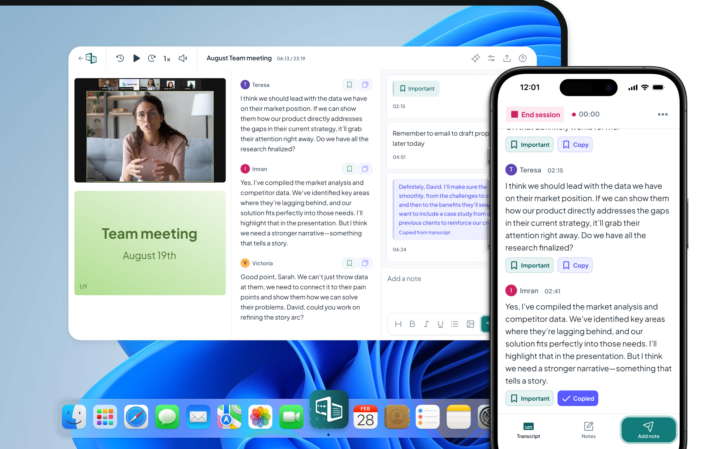
Ensure your DEI training materials are accessible. For instance, incorporate captioning services for all video content and live sessions – using a tool like Caption.Ed – so employees who are deaf or with hearing loss, or who learn better with text support, are fully included.
Whilst DEI training has clear benefits, businesses may face challenges in its implementation. Here are some you may come across and ways you can overcome them to ensure you are creating a strong DEI culture at work:
Overall, DEI training is a fundamental component of building an inclusive workplace for everyone. For HR teams and business leaders, investing in DEI training is an investment in a stronger, more engaged workforce. By prioritising diversity, equity, and inclusion, organisations can foster a culture that supports all employees and helps drive innovation – and the more inclusive your workplace is, the more comfortable staff will feel voicing their needs.

Our small but mighty team builds leading-edge software that people love. We pride ourselves on a user-led approach to product design. The voice of the customer shapes what we create and that’s exactly how great assistive tech should be made.
There’s a lot of confusion when it comes to understanding ADHD in men. In this helpful guide, we explore different types…

Ever find yourself replaying thoughts over and over again in your mind? Perhaps you wish you could just scream “STOP” and…

National Wellness Month is a great opportunity for organisations to prioritise staff wellbeing. But celebrating it doesn’t mean the same “wellness”…