



Understanding ADHD in Men: Symptoms, Differences, and Support
There’s a lot of confusion when it comes to understanding ADHD in men. In this helpful guide, we explore different types…
Autism Acceptance Month is a time to move beyond simple awareness and embrace a deeper understanding and appreciation of autistic individuals. It’s an opportunity to celebrate neurodiversity and promote genuine inclusion in all aspects of society, including the workplace. This guide explores the significance of Autism Acceptance Month, its history, and how we can all contribute to creating a more accepting and supportive world.
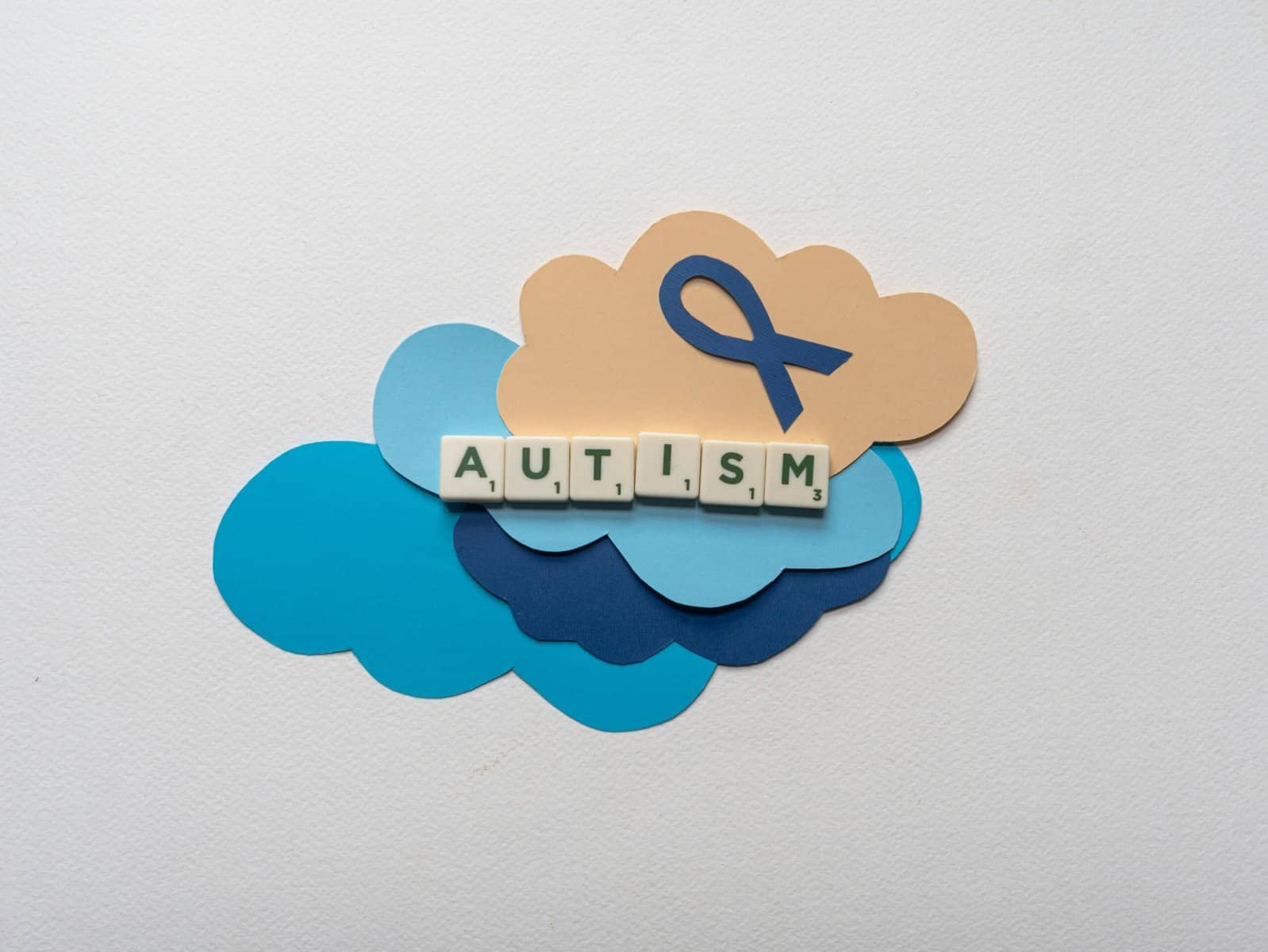
Autism Acceptance Month is an annual event dedicated to increasing understanding and acceptance of autism. It’s a shift from merely acknowledging autism’s existence to actively valuing the unique perspectives and contributions of autistic people. The goal? To foster a society where autistic individuals feel respected, included, and empowered. It’s a time for education, advocacy, and a chance to celebrate the diversity of the human experience.
Every April, Autism Acceptance Month is celebrated around the world. This annual observance provides a focused period for communities, organisations, and individuals to engage in activities that promote acceptance and understanding. It’s a time to amplify autistic voices, share stories, and challenge misconceptions around autism.
Celebrating Autism Acceptance Month is crucial for several reasons. Primarily, it helps to dismantle harmful stereotypes and misconceptions surrounding autism. By promoting accurate information and sharing positive stories, we can challenge the stigma that often isolates autistic individuals. Helping to foster a sense of belonging and community.
Autistic individuals deserve to feel seen, heard, and valued. Acceptance creates a foundation for inclusion in education, employment, and social settings.
Finally, it encourages advocacy for better support and resources. By raising awareness of the challenges faced by autistic people, we can push for policies and practices that promote accessibility and inclusion.
If you stumbled across this article after searching for “Autism Awareness Month”, you might be wondering why we use the term “acceptance” instead of “awareness”. The truth is, Autism Acceptance Month used to be called “Autism Awareness Month”, but officially changed back in March 2021, when the Autism Society of America decided to shift the focus from passive awareness to active inclusion and acceptance.
The Autistic Self Advocacy Network (ASAN) and many other disability rights groups advocated for use of the term “acceptance” long before the official change, recognising a need to mobilise people and inspire action. While “awareness” had once been the main goal, “acceptance” was now more relevant. It was about going beyond understanding and bringing about changes in accessibility, policy, education, community support, and social attitudes.
You may still hear the term “autism awareness”, but it’s mostly used for World Autism Awareness Day and not for the whole month.
Creating an inclusive workplace for autistic employees is an ongoing process, and Autism Acceptance Month provides a valuable opportunity to reinforce these efforts. Here are some ways to promote and celebrate acceptance in the workplace:
By implementing these strategies, workplaces and businesses can demonstrate a genuine commitment to autism acceptance and create a more inclusive and supportive environment for all employees.

Our small but mighty team builds leading-edge software that people love. We pride ourselves on a user-led approach to product design. The voice of the customer shapes what we create and that’s exactly how great assistive tech should be made.
There’s a lot of confusion when it comes to understanding ADHD in men. In this helpful guide, we explore different types…

Ever find yourself replaying thoughts over and over again in your mind? Perhaps you wish you could just scream “STOP” and…

National Wellness Month is a great opportunity for organisations to prioritise staff wellbeing. But celebrating it doesn’t mean the same “wellness”…