




What Is Victimisation at Work and What Are Your Rights?
Whether you’re an employer or employee, learning about victimisation in the workplace helps you to recognise and respond to victimising behaviour…
Navigating the professional world can present unique considerations for individuals with autism. This guide aims to highlight the strengths that autistic professionals bring to the workplace, explore suitable career paths, and provide practical advice on disclosure and reasonable adjustments during the job application process.

While autism is a spectrum, resulting in a wide range of experiences, many autistic individuals bring significant strengths to the workplace. These can include:
Challenges may arise in areas such as social communication, sensory sensitivities, and adapting to unexpected changes. However, with the right support and accommodations, autistic professionals can thrive in a variety of roles.
While individual interests vary, certain career paths often align well with the strengths of autistic individuals. These include:
To maximise success when searching for a job, it’s essential to identify and leverage your unique strengths. This may involve:
Highlighting specific skills: Emphasise your detail-oriented thinking, analytical skills, or specialised knowledge in your resume and cover letter.
Seeking roles that align with your interests: Pursuing careers that resonate with your passions can lead to increased engagement and job satisfaction.
Communicating your needs: Openly discussing your strengths and challenges with potential employers can help them understand how to best support you.
Deciding whether to disclose your autism in a job application is a deeply personal choice, and there’s no single right answer.
In the UK, the Equality Act 2010 offers legal protection to individuals with disabilities, safeguarding them from discrimination. This legal framework provides some security should you choose to disclose. Furthermore, disclosing your condition may be necessary if you require reasonable adjustments during the interview process.
If you need specific accommodations to demonstrate your skills effectively, transparency may be essential. It’s also crucial to research the company’s workplace culture and its demonstrated commitment to diversity and inclusion. A company that values neurodiversity is more likely to provide a supportive and understanding environment. Ultimately, your decision should be based on what feels most comfortable and appropriate for you, prioritising your well-being and confidence throughout the application process.
If you choose to disclose your autism, you have the right to request reasonable adjustments during the interview process. One helpful adjustment is to ask for the interview questions in advance. This allows you to prepare your responses thoughtfully and reduces the anxiety that can arise from unexpected questions.
Another accommodation that can make a significant difference is requesting a quiet interview environment. Minimising sensory distractions, such as background noise or bright lights, can greatly improve your focus and concentration during the interview. If verbal communication presents a challenge, you can request to provide written responses as an alternative. This allows you to express yourself clearly and accurately, regardless of any difficulties with spoken language.
Finally, ensuring that instructions are provided clearly and concisely is crucial. Avoiding ambiguity and jargon can help reduce anxiety and ensure you understand the expectations of the interview, allowing you to present your best self.”
Employers hold a pivotal role in shaping workplaces that are truly inclusive for neurodivergent talent. This involves several key strategies.
Firstly, providing comprehensive autism awareness training is essential. This education empowers staff to understand autism and neurodiversity, fostering empathy and informed support. Secondly, offering flexible working arrangements demonstrates a commitment to accommodating individual needs and preferences. This might include remote work options, flexible hours, or adjusted work schedules.
Creating accessible workspaces is also crucial. This can involve minimising sensory overload through controlled lighting, reduced noise levels, and providing quiet areas for focused work. Promoting open communication is vital for building trust and understanding. Encouraging open dialogue about individual needs and preferences allows for personalised support and ensures that employees feel heard.
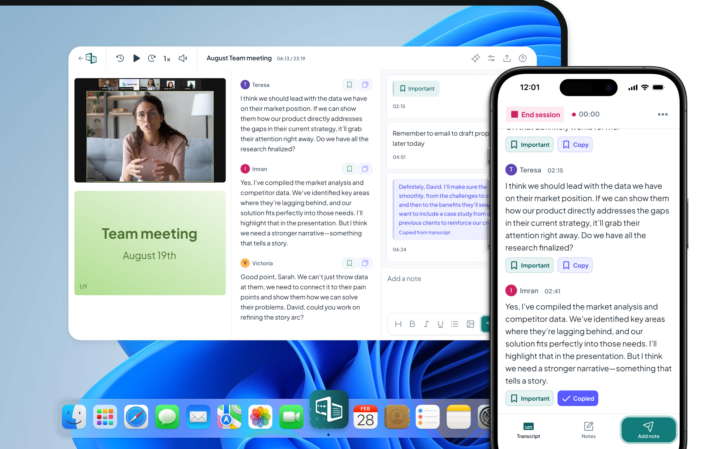
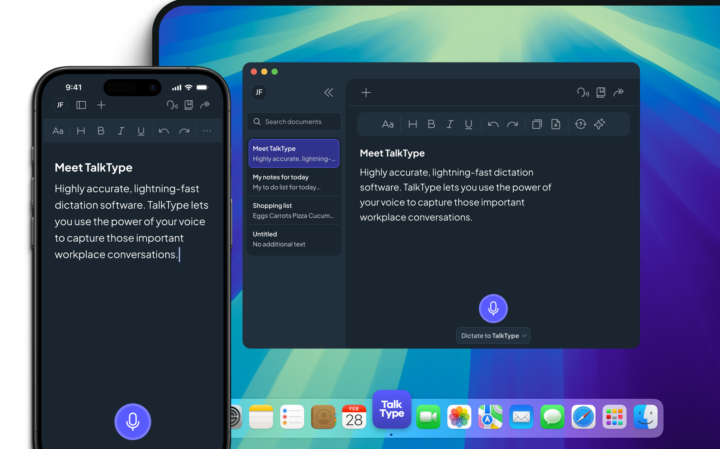
Finally, providing access to assistive technology for those with autism or other neurodiversities can significantly enhance the productivity and comfort of employees. Tools like Caption-Ed and TalkType can support concentration, memory, and communication, making a substantial difference to neurodiverse individuals. By diligently fostering a supportive and understanding environment, employers can unlock the full potential of autistic professionals, contributing to a more diverse and successful workforce.

Our small but mighty team builds leading-edge software that people love. We pride ourselves on a user-led approach to product design. The voice of the customer shapes what we create and that’s exactly how great assistive tech should be made.
Whether you’re an employer or employee, learning about victimisation in the workplace helps you to recognise and respond to victimising behaviour…

Ever find yourself replaying thoughts over and over again in your mind? Perhaps you wish you could just scream “STOP” and…

National Wellness Month is a great opportunity for organisations to prioritise staff wellbeing. But celebrating it doesn’t mean the same “wellness”…