

Misophonia: Sound Triggers, Symptoms, and Support
Misophonia is more than just disliking certain sounds. For some individuals, the emotions brought on by it can be so extreme…
Modern living can easily deplete us of the energy we need to be productive at work. But the best way to overcome this is by understanding how to stay focused at work. Poor habits can lead to a drop in focus, leading to unwanted outcomes. So let’s dive into some reasons why you may be struggling and the strategies that could help you overcome them.

Knowing how to stay focused at work can help you feel in control of your workload. Many people find their focus drops at various intervals during their work life, leading to a lack of motivation and reduced productivity. With many distractions to contend with from our phones, news outlets, and daily life pressures, staying focused depends on avoiding distractions and not losing motivation.
There’s a range of causes that can lead to someone experiencing a drop in focus at work, including the following:
Studies reveal that full or partial sleep deprivation can reduce cognition and poor neuronal activity in the brain. Brain receptors fail to perform without the chance to refresh sensitivity levels after a good night of sleep. So, without enough shut-eye, we can easily lose focus at work.
Leading a demanding life with pressures from on your time can exhaust the mind and body and lead to poor work performance. People with parental or caring responsibilities may need more help to stay focused on performing at work.
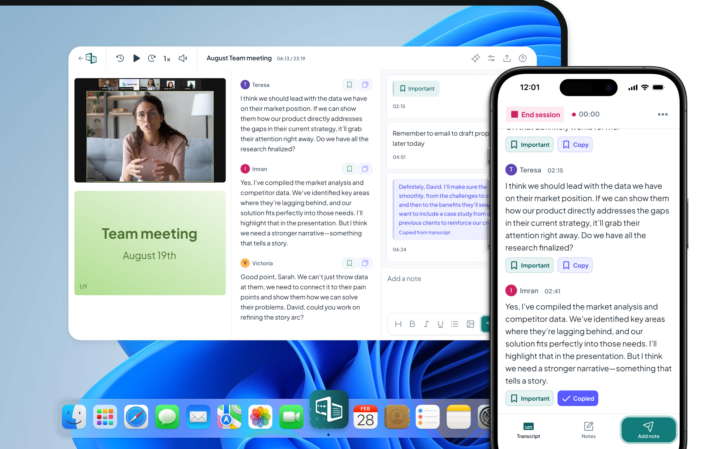
Low workplace awareness of neurodivergence leads to lower disclosure rates. And while 80% of neurodivergent staff have skills in hyperfocus, people with ADHD aren’t given the support like Caption.Ed to them improve focus and communication.
Physical and mental health problems can make it harder to know how to focus at work. Depression, anxiety, thyroid problems, and women’s health issues like perimenopause can all make it harder to remain focused and productive.
A range of negative thought processes can derail or impair someone’s ability to focus at work. Emotions like boredom, procrastination, disliking your work or working environment, anxiety, and focusing too much on negative news stories can lead to a lack of focus.

Learn more about our monthly newsletter for neurodiverse professionals
It’s possible to improve your focus levels at work by understanding the root causes of why you’re distracted. Improving your sleep, work/life balance, health, and wellbeing can all support you to focus better on the task at hand.
If you are neurodivergent, working with your manager to create the right environment that’s conducive to better focus and productivity can help. If you do feel safe to disclose, you can also gain access to the tools you need to support better focus like captioning software funded through the Access to Work scheme.
So why is it important to know how to focus at work? Staying focused helps in many ways:
So what are some strategies available to help you understand how to focus at work? We’ve created a list below to help you think through the strategies you could design for yourself and others.
Most of us have shorter attention spans than we used to. And we’re spending more time digesting more information than ever before. One way to keep better mental clarity is to take regular breaks throughout the day.
One way to do this is through a proven method called ‘The Pomodoro Technique’. This allows you to stay on track for 25 minutes before taking a 5-minute break, and you can time yourself to achieve it. This may not be possible for all working people but could be useful for those working on desk-based activities like graphic design or UX.
Another way to take a much-needed break to rest and relax is by requesting a Mental Health Day from your employer. By giving yourself a day to focus on improving your mental health, you can gain a similar level of mental restoration to improve your focus and concentration skills.
Task management tools offer an easy way to stay on top of work and retain focus and clarity. There are many productivity tools available in different formats. For instance, Flora is an app that can block notifications on your phone while you work. This can make it easier to stay focused on the task at hand.
Mental clarity often comes from taking care of your physical health. Meditation can help with this, as can regular exercise. Physical activity increases blood flow to the brain and releases chemicals, including endorphins and serotonin, which can boost mood and mental focus.
Taking a methodical approach to your work by completing tasks one at a time will help you remain focused. Many people engage in multitasking, but data suggest the brain wasn’t built for heavy-duty multitasking. Instead, doing one task at a time and working through a list of actions can help you stay focused on getting a job done the right way.

Our small but mighty team builds leading-edge software that people love. We pride ourselves on a user-led approach to product design. The voice of the customer shapes what we create and that’s exactly how great assistive tech should be made.
Misophonia is more than just disliking certain sounds. For some individuals, the emotions brought on by it can be so extreme…

Dysgraphia is a lesser-known handwriting difficulty that’s often mixed up with conditions like dyslexia and developmental coordination disorder (DCD). So, how…

Employees and students are protected from direct discrimination under the Equality Act 2010. In this helpful guide, we’ll walk you through…