



Understanding ADHD in Men: Symptoms, Differences, and Support
There’s a lot of confusion when it comes to understanding ADHD in men. In this helpful guide, we explore different types…
Around 1.6 million people in the UK are estimated to have complex needs. Looking after these people are support workers, who help them to gain independence, build essential skills, and navigate day-to-day responsibilities. Find out all about the work that support workers do and the types of people they support in this helpful guide.

A support worker is someone who provides 1:1 support to individuals who need help in day-to-day life. They may support people with neurodivergence, disabilities, mental health conditions, or other identified needs and can work in a person’s home, the community, or in a clinical setting.
Rather than being there only to assist with someone’s healthcare needs, a support worker aims to help their clients become independent so that they can enjoy living a rich and fulfilling life.
Supporting someone to become independent can mean doing lots of different things. On any given day, a support worker might aid someone with their finances, take them out to the shops, assist with household tasks, or simply be there for a chat over a cup of tea.
The individual responsibilities that a support worker has depend on both the needs of the person they’re supporting and the setting they’re providing support in.
For example, a support worker in a residential care home may be required to provide more structured support than someone working in a person’s private home. Similarly, someone with a physical disability may require more assistance with movement and getting around safely compared to someone with a mental health condition, who may rely more on emotional support.
With that being said, there are many mutual responsibilities that support workers carry out regardless of where they work or who they’re working with. These include:
Although the terms “support worker”, “carer”, and “health care assistant” are sometimes used interchangeably, there are some subtle differences between them. Here’s how the roles differ:
Carer: Also referred to as a “care assistant” or “care worker”, a carer focuses on personal care, such as washing, dressing, and helping with meals. This usually takes place in a person’s home or in residential care settings.
Health Care Assistant (HCA): HCAs generally work in clinical or medical environments, like hospitals or GP surgeries. They support nurses and other professionals by carrying out basic medical tasks, such as taking vital signs, assisting with mobility, and helping with hygiene under supervision.
Support Worker: A support worker tends to take on a broader, more holistic role. They help people to develop life skills, build confidence, and live as independently as possible. This includes providing emotional support, helping with routines, managing appointments, and enabling access to community services.
The common thread that ties all of these roles together is helping others in need. And while they all come with slightly different responsibilities, they share the same fundamental goal – improving a person’s quality of life.
Great support workers are passionate, multiskilled individuals who want to support people to succeed regardless of any difficulties they may face.
A great support worker is:
Compassionate and Understanding: They show compassion towards their clients and clients’ families and listen to them carefully in order to truly understand any challenges they might face.
Patient and Knowledgeable: They recognise the unique needs of the people they’re supporting and take time to work at their pace without being led by unhelpful expectations or rushing them.
Kind and Respectful: They show kindness and respect in their role, treating those with complex needs in an equitable way in order to promote true inclusion and make them feel valued.
Hardworking: They work hard because they care about the individuals they work with and want to ensure they can live as independently as possible.
Resilient and Calm: They’re able to handle challenges with a calm and positive attitude, adapting to difficult situations when necessary.
For people with neurodivergence and disabilities, the work that support workers do is invaluable. Not only does it allow them the freedom to do things that they’d find extremely challenging without support, but it also helps them to discover new possibilities, find more enjoyment in life, and feel inspired to challenge themselves for the better.
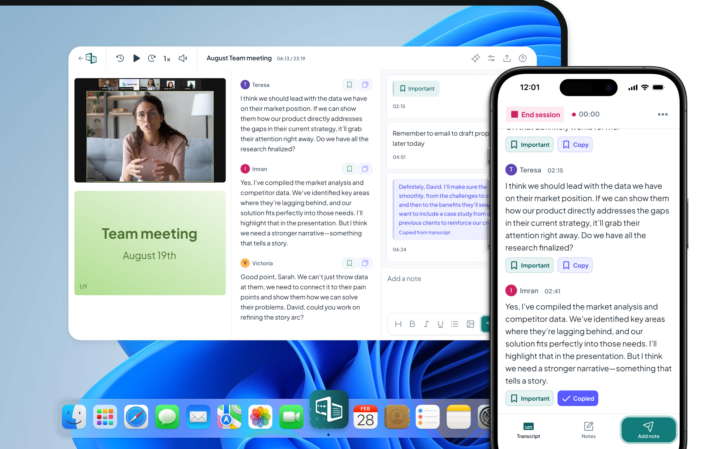
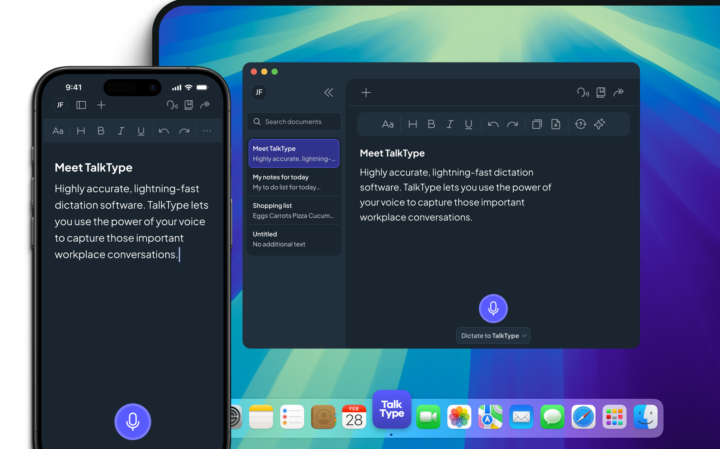
Due to the close relationship a support worker has with the individual they’re supporting, they may spot subtle things that a person is struggling with, like sensory sensitivities that make certain environments overwhelming, difficulties in understanding social cues, or challenges with executive functioning that make daily planning harder. As a result, they may be able to help them get access to assistive technology, visual schedules, dictation software, or other specialised communication aids, which allow them to navigate the world with greater ease and confidence.
A support worker can also help a person to build confidence in social settings. This may inspire them to explore new environments and meet new people, which can, in turn, lead them to discover new passions like music, art, or even public speaking – things they might never have explored without someone believing in their potential.
As you can see, the role of a support worker isn’t just to help people manage their day-to-day lives. It’s also to uplift them, help them recognise their strengths, embrace new possibilities, and empower them to live life to the fullest.

Our small but mighty team builds leading-edge software that people love. We pride ourselves on a user-led approach to product design. The voice of the customer shapes what we create and that’s exactly how great assistive tech should be made.
There’s a lot of confusion when it comes to understanding ADHD in men. In this helpful guide, we explore different types…

Ever find yourself replaying thoughts over and over again in your mind? Perhaps you wish you could just scream “STOP” and…

National Wellness Month is a great opportunity for organisations to prioritise staff wellbeing. But celebrating it doesn’t mean the same “wellness”…