


What Is Absenteeism and How to Address It at Work
To recover from illness, time off work is crucial. But when staff are repeatedly absent or off for extended periods, it…
Feeling stuck at work and unsure how to motivate yourself? Frustrating, right? Sometimes, a lack of motivation is caused by an underlying issue that we’ve not yet identified. In this handy guide, we explore what motivation is, why demotivation happens at work, and what can be done about it.

Motivation is the invisible force that makes us want to act or feel compelled to act. Psychologists tend to split motivation up into two basic categories: intrinsic and extrinsic motivation.
In psychology, intrinsic motivation refers to the type of motivation that comes from within; it stems from our passions, interests, and the things that feel satisfying. Extrinsic motivation, on the other hand, is the motivation we have as a result of a promised external reward or desire to avoid a punishment/negative outcome.
An easy way to remember the difference is by looking at the first three letters: ‘int’ = internal and ‘ext’ = external.
Feeling demotivated doesn’t mean that we’re lazy or doing something wrong. There are countless possible reasons for it. We might find our work repetitive, feel emotionally drained from life stressors, have difficulty understanding what we’re meant to be doing, or discover that our environment isn’t fit for purpose.
More often than not, there’s a deeper reason behind our lack of motivation than simply ‘feeling demotivated’. It’s usually a sign that something’s out of sync or that our needs aren’t being met.
Not sure why your motivation’s taken a dip? Before you can tackle your lack of motivation and get back on track, you need to figure out what’s causing it. Have a go at answering the following simple questions. Try to be as honest as possible when answering them:
Feel free to write ‘N/A’ for any questions that don’t resonate with you. As you work your way through them, you may find that lots of them don’t apply to you, or the opposite. Quite often, a lack of motivation is caused by a combination of factors, not just one thing.
Never ignore your feelings: It’s important to note that lack of motivation can be a symptom of depression. If you experience regular low mood, persistent fatigue, or a sense of hopelessness that doesn’t seem to lift, it’s best to seek help from a mental health professional.
Once you have an idea of what might be causing your demotivated state, you’re ready to take action. Getting unstuck is all about finding the right entry point. You might need to change how you approach tasks, reconnect with your goals, or simply switch up your environment. Here are some easy things to focus on:
Rather than focusing on all of the work you have to do, which can be overwhelming, try to plan goals and make them SMART. SMART goals are all about avoiding ‘vague aims’ and setting goals that are specific and measurable. For example: ‘I want to complete 30 worksheets by X date’. According to research conducted by Professor of Behavioural Science and Marketing Ayelet Fishbach, intrinsic motivation works best. Although it can be tricky to turn an extrinsic goal into an intrinsic goal, it’s not impossible. Try reframing your goal around personal meaning or satisfaction. Instead of ‘Finish 30 worksheets’, you might put ‘Build confidence by completing 30 worksheets that help me master X skill.’ Here, the task stays the same, but the motivation shifts from obligation to growth.
Again, this one’s all about intrinsic motivation. Try to notice any tasks that make you feel calm, happy, joyous, or more focused. These are clues that something about the task aligns with your internal reward system. Maybe it’s the satisfaction of solving a problem, the creativity of writing, or the clarity that comes from organising information. If you feel there could be an opportunity to do more of something in particular, speak to your manager.
You may have every intention of fighting your lack of motivation but find it impossible to get past the first hurdle. Try to be kind to yourself. While some people find the idea of ‘getting motivated’ helps to give them an initial boost, this isn’t the same for everyone. To build motivation, take small steps towards your goals without trying to do everything at once. This is much more manageable and will be easier to sustain going forward.
Your surroundings shape your motivation much more than you think. A messy, cluttered desk, constant notifications, or even bad lighting can drain your focus. Try adjusting your space to support the kind of work you want to do. Sometimes, changing your environment is the fastest way to change your mindset.
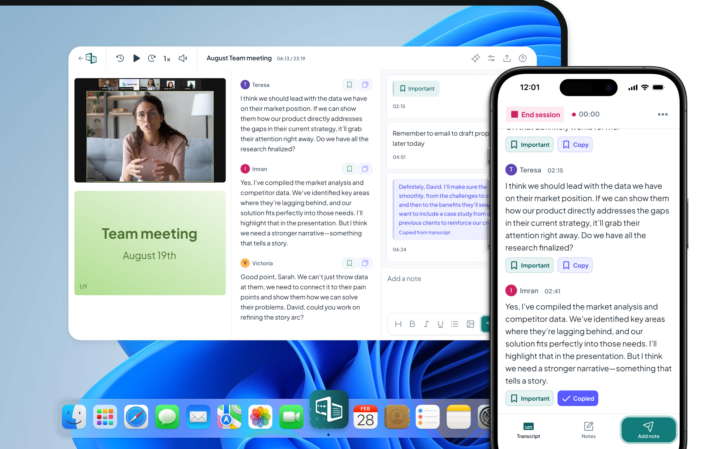
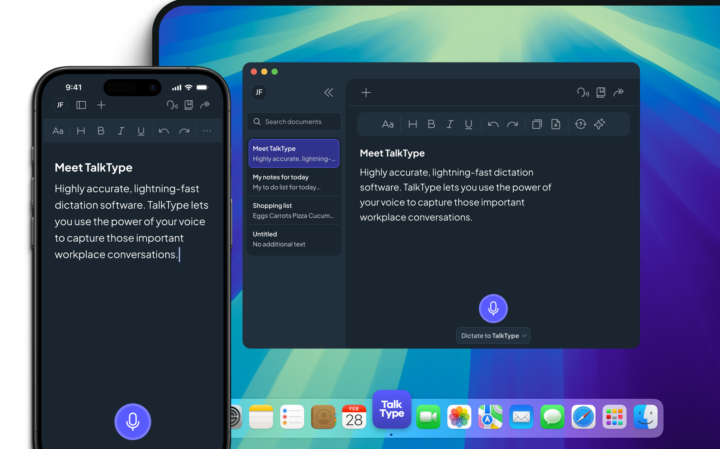
Your manager has a duty to motivate your team, and that includes making sure all employees have what they need to do their jobs. Suspect that work equipment could be holding you back? Perhaps you’re neurodivergent and need information presented differently to you? There’s no need to suffer in silence. Speak to your manager about support. Maybe you’d benefit from captioning software that records notes during video calls, a screen reader to reduce eye strain and fatigue, or dictation software to get important ideas down when you’re struggling to write. These small additions can make a huge difference to how motivated you feel.
Remember that motivation is a cycle. You won’t always feel inspired, focused, or driven, and that’s okay. What matters most is learning how to restart the engine when it stalls. The more you practise that reconnection, the easier it becomes to bounce back, recalibrate, and move forward with clarity. That’s not just motivation – it’s resilience.

Our small but mighty team builds leading-edge software that people love. We pride ourselves on a user-led approach to product design. The voice of the customer shapes what we create and that’s exactly how great assistive tech should be made.
To recover from illness, time off work is crucial. But when staff are repeatedly absent or off for extended periods, it…

According to research, presenteeism leads to longer recovery times, lower productivity, and even “contagious presenteeism” where illness spreads to other employees.…

Ready to knuckle down and revise? We’ve compiled some of the best places to study according to students. In this guide,…