




How to Recognise and Recover From Burnout
Feeling drained, exhausted, and dreading another day at work? You might be experiencing burnout. In this post, we take a deep…
Most UK employers will have come across the Employment Rights Act 1996 (ERA 1996). But what many don’t realise is that these provisions can help us to better support neurodivergent staff. Let’s explore how the ERA 1996 can make workplaces fairer, more inclusive, and more transparent for everyone.

Whether you’re hiring, managing, or letting people go, if you’re an employer, the Employment Rights Act 1996 is the primary piece of legislation you can refer to to understand your legal duties and the rights your employees are entitled to.
Originally introduced to consolidate and clarify employment law across the UK, the ERA 1996 replaced a number of previous acts and regulations, acting as one streamlined set of guidelines for employers to follow.
The main purpose of the ERA 1996 is to create predictability and fairness in the workplace by setting clear rules and protections. These provide guidance on things like:
From the moment someone accepts a job offer through to their final day at work, these rules and protections govern the entire employment relationship, ensuring that both employer and employee understand their rights and obligations.
The ERA 1996 aims to ensure that every member of staff has the same fundamental rights. But what does the Act actually say? And what do these rights mean in practice for neurodivergent staff? Let’s take a look:
For neurodivergent employees, written employment terms help to reduce ambiguity and provide a clear structure that allows them to properly understand their responsibilities. If terms weren’t written down, someone with autism might spend hours worrying about whether they’re working the right hours or doing the right tasks. Equally, a staff member with ADHD might struggle to remember verbal instructions about holiday policies or notice periods.
Having everything documented removes the guesswork and creates a predictable framework that many neurodivergent individuals can benefit from.
This protection is crucial, especially since neurodivergent employees sometimes display behaviours that can be misunderstood. Someone with autism might come across as blunt or struggle with small talk, while someone with ADHD might appear disorganised or forgetful. The fair dismissal requirements mean that any performance concerns must be documented, discussed openly, and addressed through proper channels to avoid unfair judgements based on social misunderstandings.
Redundancy processes must be fair and transparent to protect against discriminatory selection. Without these legal safeguards, neurodivergent employees might be unfairly targeted during redundancies simply because they work differently or don’t fit traditional workplace social norms. Having this structured approach ensures decisions are based on legitimate business criteria rather than unconscious bias.
While this provision doesn’t directly address neurodivergent employees’ own needs, it establishes a legal principle of flexibility for unexpected situations. Employers can extend this principle to support neurodivergent staff during particularly challenging periods – perhaps when someone with autism is struggling with a major workplace change, or when someone with ADHD is experiencing medication adjustments that affect their performance.
Neurodivergent employees often have strong moral compasses and may feel compelled to speak up about problems they witness. Knowing they’re legally protected when raising genuine concerns means they can contribute valuable perspectives without fear of retaliation. This is particularly important given that neurodivergent individuals sometimes struggle with workplace politics and need clear, legal assurances that doing the right thing won’t cost them their job.
As an employer, you can prioritise these rights and stay compliant by ensuring:
Ignoring these obligations can result in tribunal claims, fines, and reputational damage. If an employee feels as though you have failed to meet your responsibilities, they may raise a formal grievance or seek legal advice.
If, instead, you proactively address any issues and maintain clear communication, you can help to prevent disputes and create a more positive workplace culture.
Workplaces can be stressful environments for neurodivergent people. Even if you recognise yourself to be an empathetic, forward-thinking employer who cares about neurodivergent needs, there will still be things in your work environment that (even if only for a brief moment) are out of your control. This might include noise, unexpected disruptions, and other sensory issues or triggers that you won’t always anticipate.
While not all triggers can be removed, having clear rules and structure, like those in the Employment Rights Act 1996, can help to make other elements of the workplace more manageable for neurodivergent staff.
Following fair, documented procedures will also protect neurodivergent staff against subtle discrimination. If problems come up, they must be discussed openly and followed up properly, so that bias doesn’t influence decisions.
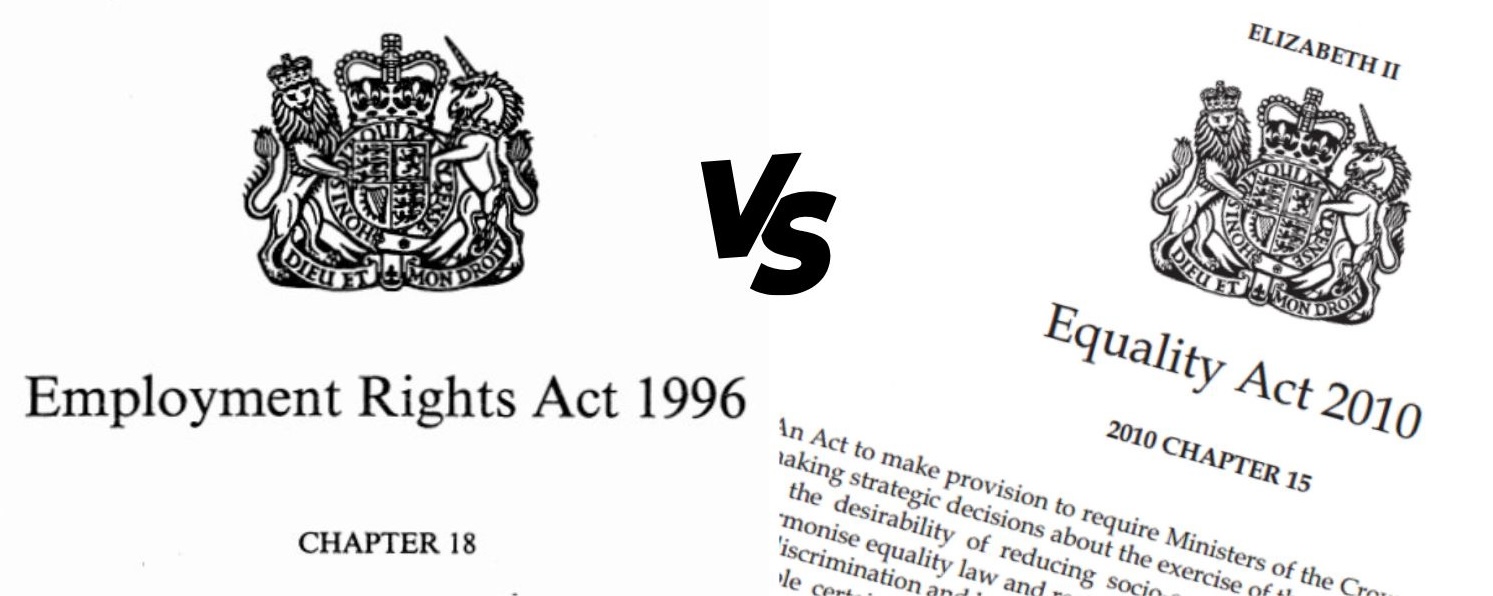
In many ways, these two vital pieces of legislation work hand-in-hand:
In practical terms, this means that while the ERA 1996 might require you to provide clear job descriptions and fair disciplinary processes for all employees, the Equality Act 2010 might require you to present information in different formats for a dyslexic employee or allow flexible working arrangements for someone with autism who struggles with sensory overload in busy office environments.
The two acts also work together to create multiple layers of protection against unfair treatment. For example, if a neurodivergent employee faces discrimination, they might have claims under both pieces of legislation – perhaps arguing that the dismissal was both unfair (under ERA 1996) and discriminatory (under the Equality Act 2010).
As an employer, you can’t rely on one without the other. It’s best to get the fundamentals right first using the ERA 1996, then refer to the Equality Act 2010 for further guidance around making adjustments and avoiding discrimination.
As an employer, you have a responsibility to ensure that your staff have everything they need to do their job properly. To achieve this, you need to consider any barriers neurodivergent employees might be facing, as well as the support/tools needed to remove these barriers.
Here are some simple actions you can take to create a more neurodivergent-friendly workplace:
Prioritise clear communication: The ERA 1996 requires written terms of employment, but it’s also important to recognise that not everyone processes written information in the same way. Always provide key information in multiple formats – perhaps a detailed written contract alongside a visual summary or an opportunity to discuss the role in person. Some neurodivergent employees will also benefit from having complex information broken down into smaller chunks or presented with clear headings and bullet points.
Offer flexibility: While the ERA 1996 establishes standard terms around working time and conditions, there’s often room for flexibility within this framework. Many neurodivergent employees perform better with flexible start times, regular breaks, or the option to work from quieter locations. The legal framework provides the structure, but it’s best to view this as a starting point rather than a rigid set of rules.
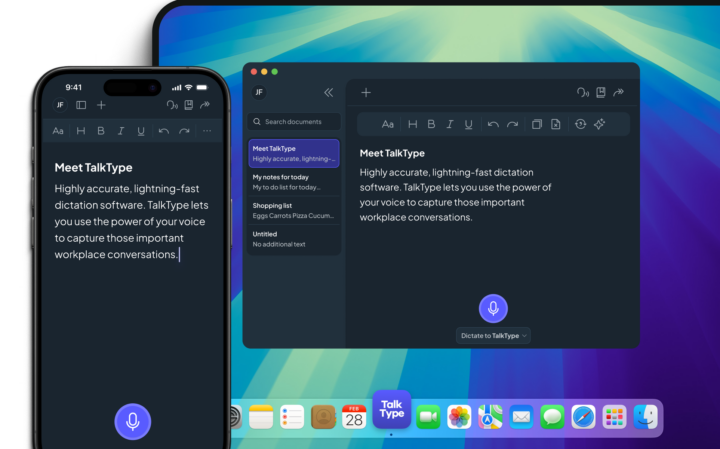
Provide assistive tech: Tools that reduce cognitive load or support focus can make a huge difference to neurodivergent employees. The ERA 1996 requires employers to provide the tools and equipment necessary for employees to do their jobs. For neurodivergent employees, this might include assistive technology such as dictation software, live captioning tools, or task management apps. These tools can dramatically improve an employee’s ability to perform their role effectively.
Create psychological safety: The whistleblower protections in the ERA 1996 establish a principle that employees should be able to speak up about problems without fear of retaliation. You can extend this principle to create an environment where neurodivergent employees feel safe to discuss their needs, request adjustments, or raise concerns about workplace barriers they’re experiencing.
It’s important to remember that while legal requirements establish minimum standards, we can all do more to support people’s differences.
Let’s make conversations happen, listen to employees, and most importantly, educate. If all staff understand the needs of neurodivergent people, it’ll create safer, more secure work environments for everyone.

Our small but mighty team builds leading-edge software that people love. We pride ourselves on a user-led approach to product design. The voice of the customer shapes what we create and that’s exactly how great assistive tech should be made.
Feeling drained, exhausted, and dreading another day at work? You might be experiencing burnout. In this post, we take a deep…

Ever wondered how some people are able to effortlessly produce meeting notes while staying focused on a call? With ADHD, note-taking…

Misophonia is more than just disliking certain sounds. For some individuals, the emotions brought on by it can be so extreme…