


Understanding ADHD in Men: Symptoms, Differences, and Support
There’s a lot of confusion when it comes to understanding ADHD in men. In this helpful guide, we explore different types…
If you’re autistic or know someone who is, the idea of “curing” autism can seem hurtful or misguided. In this post, we explore why autism isn’t an illness and what can be done to support autistic adults in an ableist world.

Although historically, some families and professionals have focused on finding a cure for autism, viewing it as a curable condition can be harmful and reductive. That’s because many of the challenges autistic people face come from being expected to fit into a largely neurotypical-focused world, rather than from their brains being “broken” or “flawed”.
This is where we have to ask ourselves: just because someone experiences the world differently, does it mean they need to be fixed?
Some people assume autism should be cured because it stems from preventable factors, like diseases that can be treated with medication. However, there’s no solid evidence for this. In fact, research shows:
It’s important for us to challenge these types of myths to prevent misinformation. These are the kinds of harmful stereotypes that can lead to social stigma and discrimination, as well as reinforcing the idea that “cures” are the answer instead of support.
One treatment that’s often discussed in conversations about autism is Applied Behaviour Analysis (ABA). While some people report positive experiences with ABA, others, including many autistic adults, criticise it for focusing on making autistic people appear more neurotypical rather than supporting their wellbeing.
In the past, some forms of ABA encouraged autistic children to suppress natural behaviours such as stimming or communicating differently. However, critics argue this can contribute to masking and autistic burnout later in life.
Nowadays, many providers have moved away from these approaches, recognising that support should aim to improve quality of life and only reduce harm, not change who an autistic person is.
To help autistic individuals, we need to create a culture of acceptance and understanding. This means focusing on:
Proper autism awareness: It’s key that people understand what autism looks like and why it isn’t something to change. With the right awareness, we can shift societal ideas away from neurotypical = normal, and instead, embrace the idea that different brains are a natural and valuable part of human diversity.
Opportunities for autistic individuals to connect: Autistic individuals can become isolated if they don’t get the opportunity to mix with others who share or relate to their experience. By creating online autism forums, neurodivergent-focused drop-in centres, and inclusive educational environments, we can provide safe spaces where they can truly be themselves without fear of judgement.
Celebrating autistic strengths: Like everyone else, autistic people have their own unique strengths and abilities, and these deserve to be celebrated. While they vary from person to person, autistic individuals can have deep knowledge of specific topics, attention to detail, creativity, honesty, or strong problem-solving skills. These often appear as part of a spiky profile – this is where strengths and struggles vary greatly from area to area.
Access to the right support: The right support helps to make everyday life more manageable without trying to change who someone is. Depending on the individual and what their needs are, this might include occupational therapy, speech and language therapy, mental health support, sensory accommodations, or coaching with daily living skills.
Work and education are often places where autism can feel more difficult. This is because these environments aren’t always properly equipped to support those with neurodivergent needs. Fortunately, things are changing. As awareness grows, more and more educators and employers are prioritising the following:
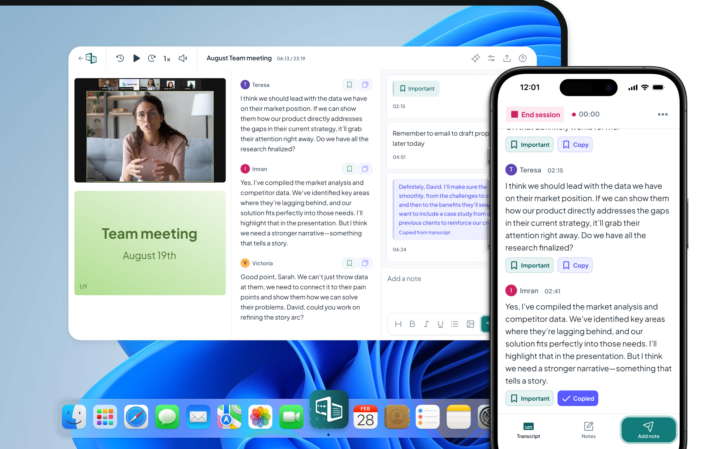
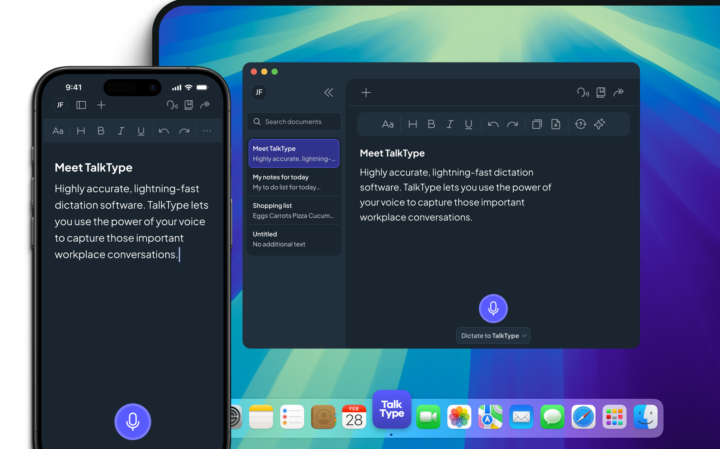
Many universities and workplaces understand their responsibility to level the playing field and remove barriers for people with neurodivergence. Technology such as dictation tools, note-taking software, task management apps, and noise-cancelling headphones have become game-changers for those who would have previously been left to find their own workarounds.
Staff and students with autism often benefit from simple adjustments like flexible hours or task modifications that suit their working or learning styles. These are usually relatively low-cost changes that make a big difference.
Educating colleagues, managers, and teachers about autism helps to create actual inclusive spaces rather than ones that just tolerate difference. When people know what autism looks like and how to respond to it, autistic staff and students are much less likely to face misunderstanding and far more likely to get the support they actually need.
Yes – autism is recognised as a disability, both legally and clinically. However, many autistic people and advocates frame this through the social model of disability. They suggest it’s not that autistic brains are “broken”, but that society often isn’t built to accommodate different ways of processing and understanding the world.
No, autism isn’t something to grow out of or try to get rid of. It’s a lifelong neurodevelopmental difference. If you have autism, try to recognise that you’re not broken and instead find ways of embracing who you are. This might mean connecting with other autistic people, learning about your sensory needs, spreading autistic awareness, or finding environments that support you rather than expecting you to mask.
Using the term “cure” implies something is a disease to eradicate. But autism isn’t an illness; it’s a condition that requires support. The right autistic support focuses on helping autistic people navigate daily life and access environments that work for them without trying to change their identity or make them appear neurotypical.
No. Early intervention isn’t about curing autism. At its best, early intervention helps autistic children develop communication skills and build confidence in who they are. The goal should always be to support autistic development, not to eliminate autistic traits or force children to behave in neurotypical ways.

Our small but mighty team builds leading-edge software that people love. We pride ourselves on a user-led approach to product design. The voice of the customer shapes what we create and that’s exactly how great assistive tech should be made.
There’s a lot of confusion when it comes to understanding ADHD in men. In this helpful guide, we explore different types…

Ever find yourself replaying thoughts over and over again in your mind? Perhaps you wish you could just scream “STOP” and…

National Wellness Month is a great opportunity for organisations to prioritise staff wellbeing. But celebrating it doesn’t mean the same “wellness”…